
Advertisement

Overview
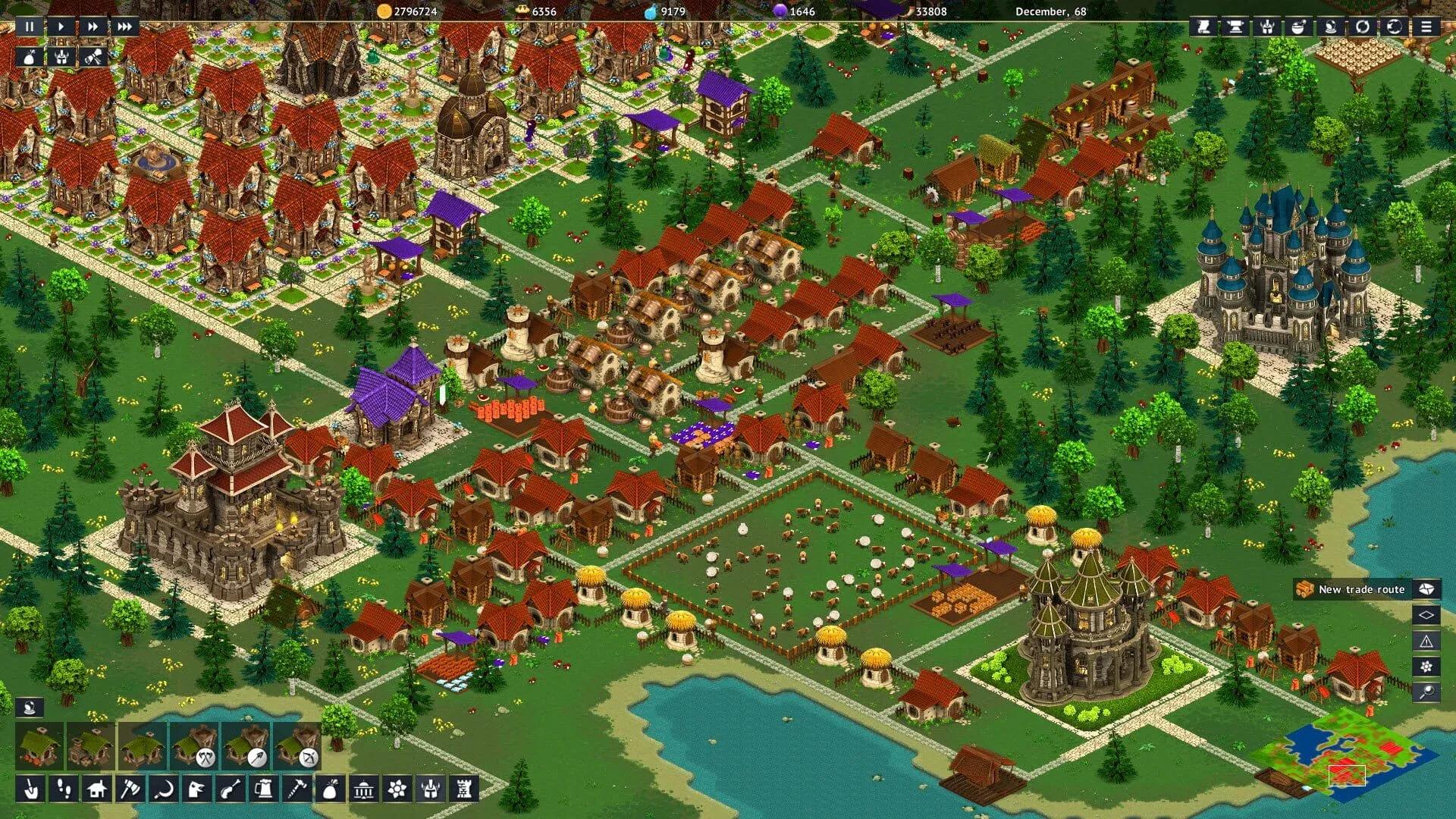
Hearthlands is a real-time strategy and city-building game developed and published by the two-person team Sergio & Simon, released in April 2017. Set in a procedurally generated medieval fantasy world, it casts you as a king responsible for growing a settlement into a thriving realm. The core tension is unusual for the genre: you never directly control individual units. Instead, the game asks you to shape the conditions that make your kingdom succeed or fail.
That indirect control model is the defining quality of Hearthlands. Buildings, resource chains, diplomacy tables, and hero recruitment all feed into a system where your decisions ripple outward through the population. The result feels closer to a grand strategy game than a traditional RTS, even though the real-time pacing keeps pressure on throughout.
Hearthlands content image
Gameplay and mechanics
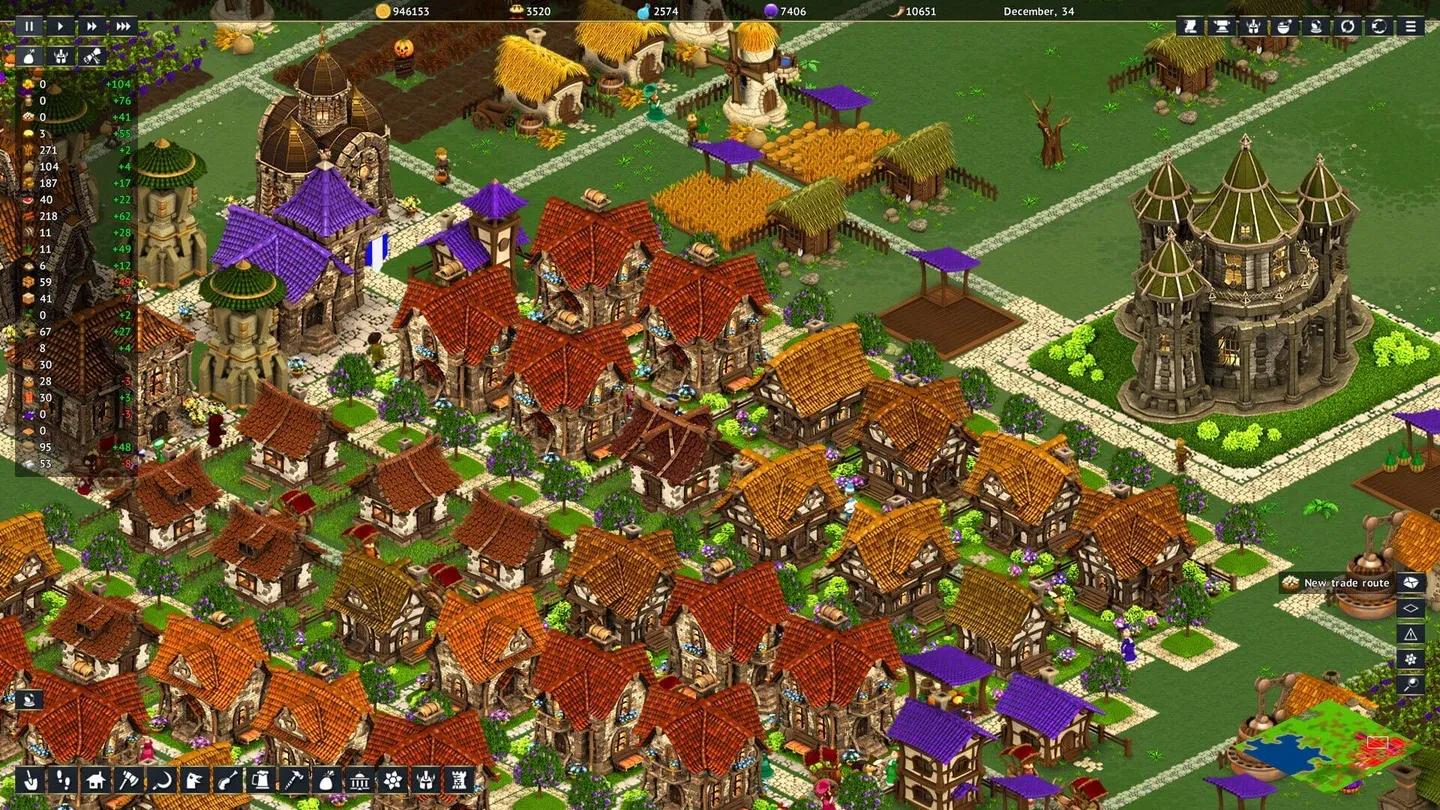
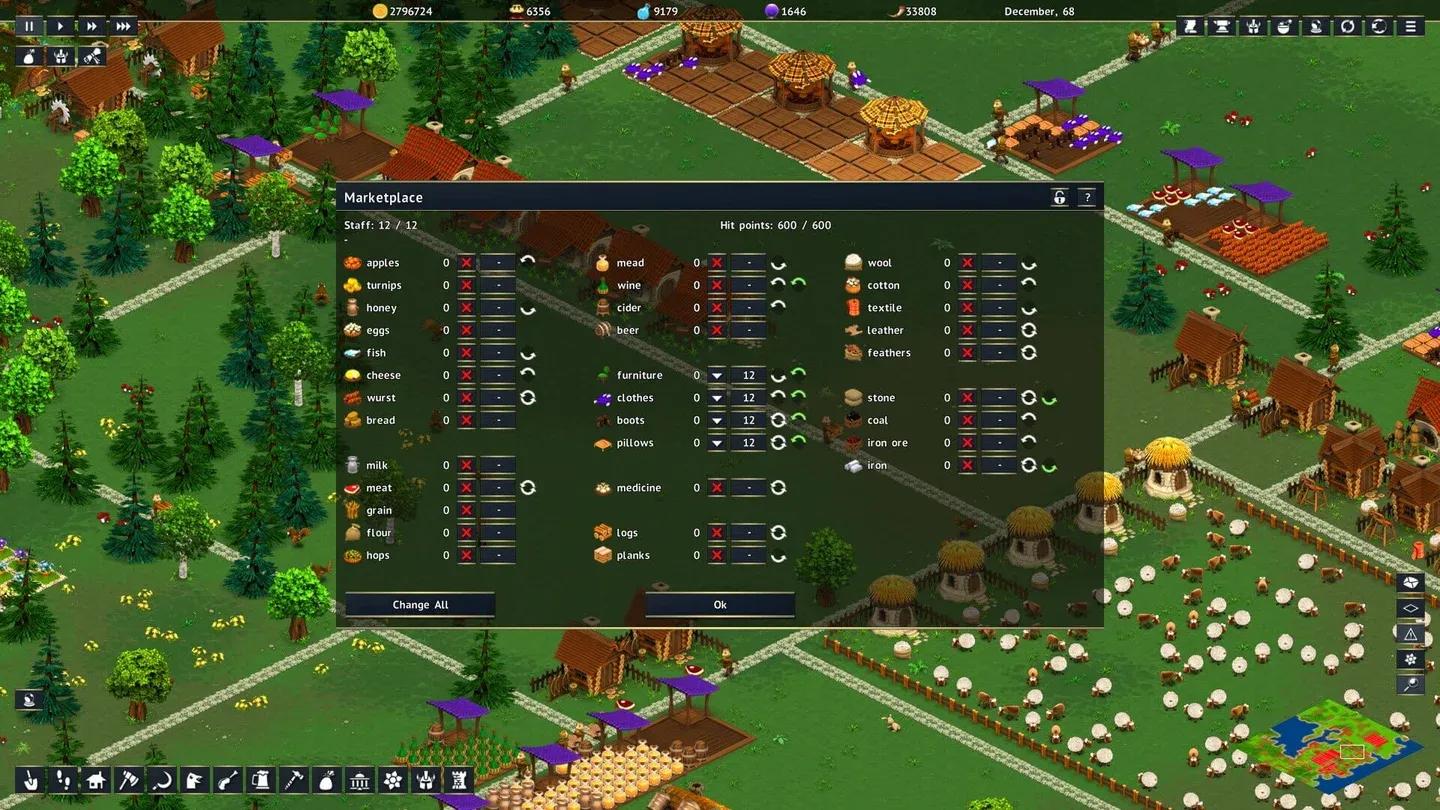
The core gameplay loop in Hearthlands revolves around building and sustaining a medieval economy. Players place structures, assign priorities, and watch their subjects carry out the work autonomously. Key systems include:
Hearthlands content image
- Resource gathering and production chains
- City expansion and building placement
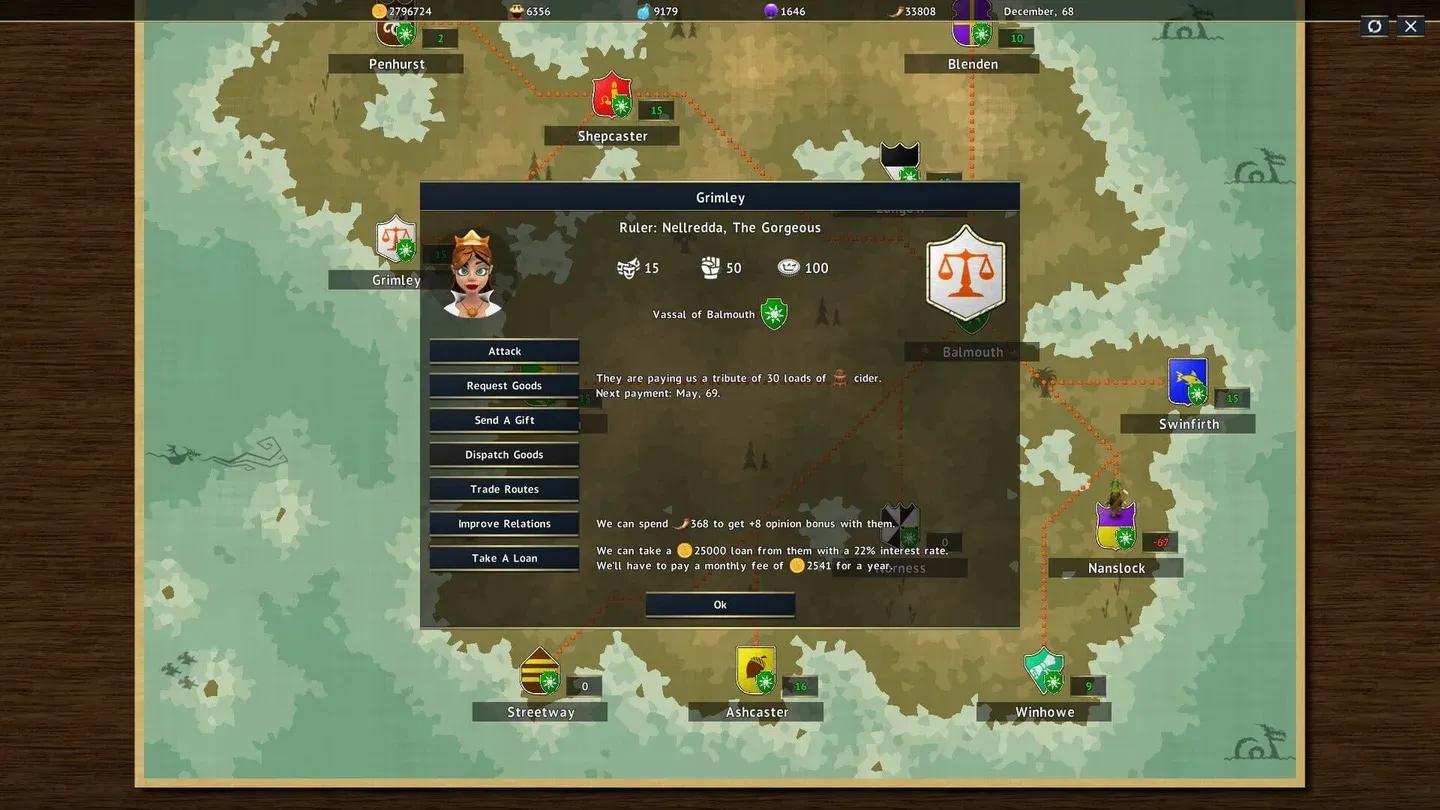
- Diplomatic negotiations with neighboring factions
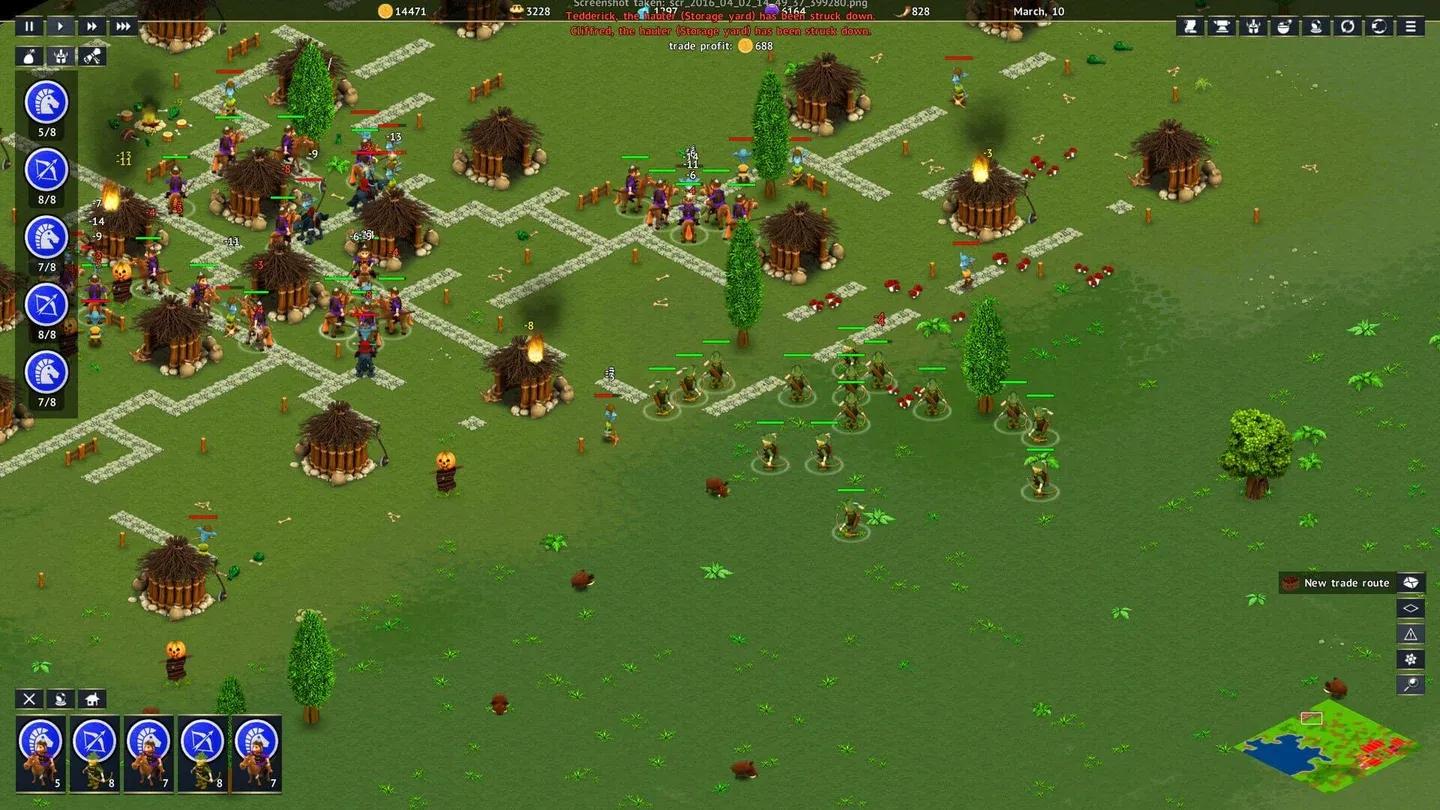
- Hero recruitment and deployment
- Magic research and spellcasting
Because you cannot micromanage units, the strategic layer carries all the weight. Getting your resource flow wrong early means your military and magic systems starve for materials later. The game rewards players who think several steps ahead.
Hearthlands content image
World and setting
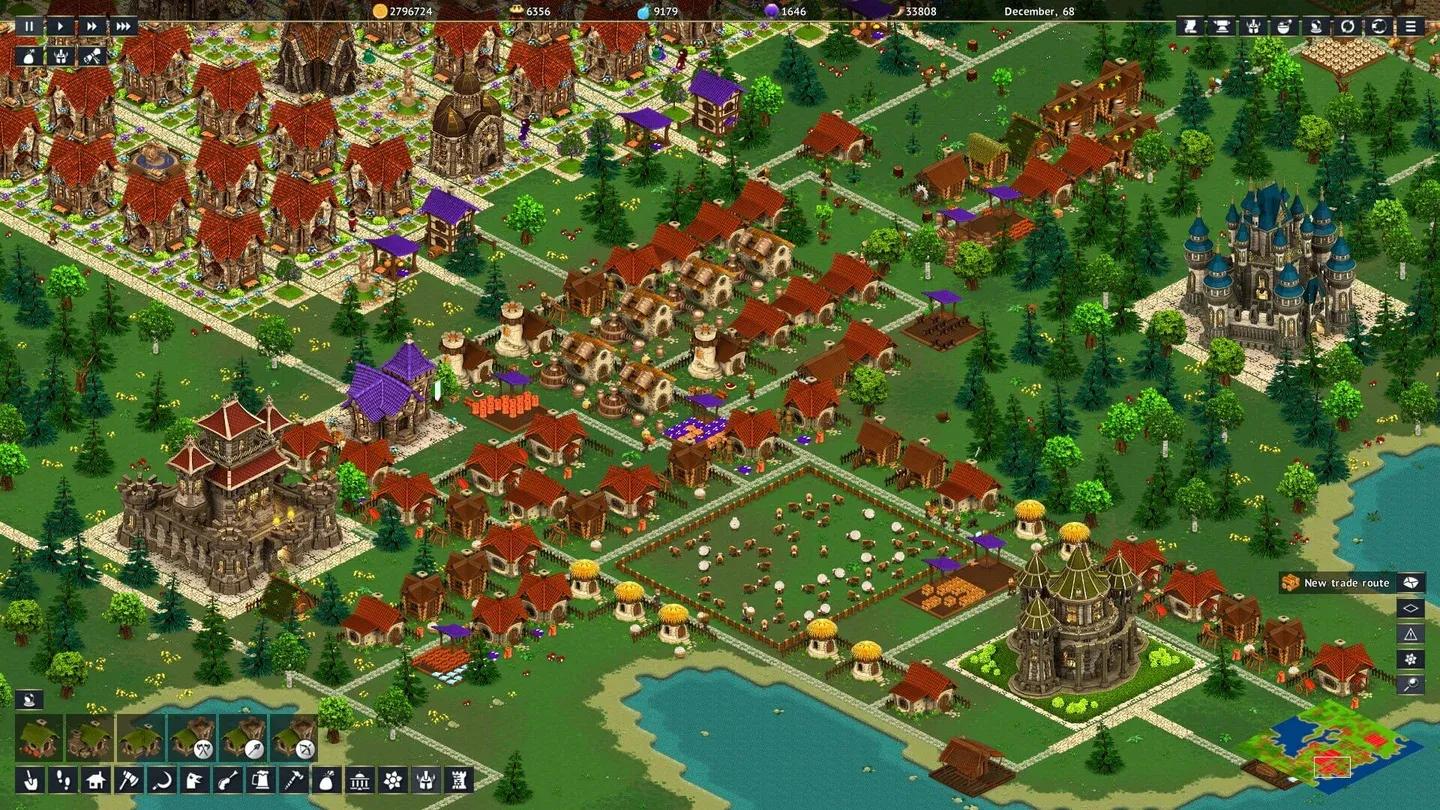
Every playthrough of Hearthlands starts fresh. The world map, terrain, opposing kingdoms, and available characters are all procedurally generated, which means no two campaigns unfold identically. The medieval fantasy setting leans into familiar tropes without being derivative: castles, trade routes, rival lords, and arcane forces all coexist in the same procedural sandbox.
The fantasy elements come through most clearly in the magic system, which functions as a late-game escalation tool. Researching and deploying spells adds a layer of strategic depth that separates Hearthlands from purely grounded city-builders.
What does the diplomacy system add?
Diplomacy in Hearthlands is more than a cosmetic feature. Neighboring kingdoms can be traded with, allied against common threats, or provoked into war depending on your choices. Since military conflict drains resources and disrupts production chains, knowing when to negotiate versus when to fight becomes a genuine strategic question.
Heroes function as a complement to diplomacy. Recruiting powerful characters adds both combat capability and narrative texture to each procedurally generated campaign, giving players a reason to engage with the world beyond pure economic optimization.
Hearthlands content image
Content and replayability
The procedural generation engine is the primary driver of replayability in Hearthlands. Map layouts, opponent placements, and starting conditions shift with every new game, so the city-building strategy stays fresh across multiple runs. Players who enjoy optimizing production chains and experimenting with different diplomatic approaches will find the most value here.
Hearthlands runs on Windows, macOS, and is available through Steam. The indie origins are visible in the scope, but Sergio & Simon built a game that respects the player's intelligence and rewards patient, systemic thinking over reflexes.