
Biggest discounts, free games, and limited-time offers across every major gaming store.
Never pay full price again.
Overview
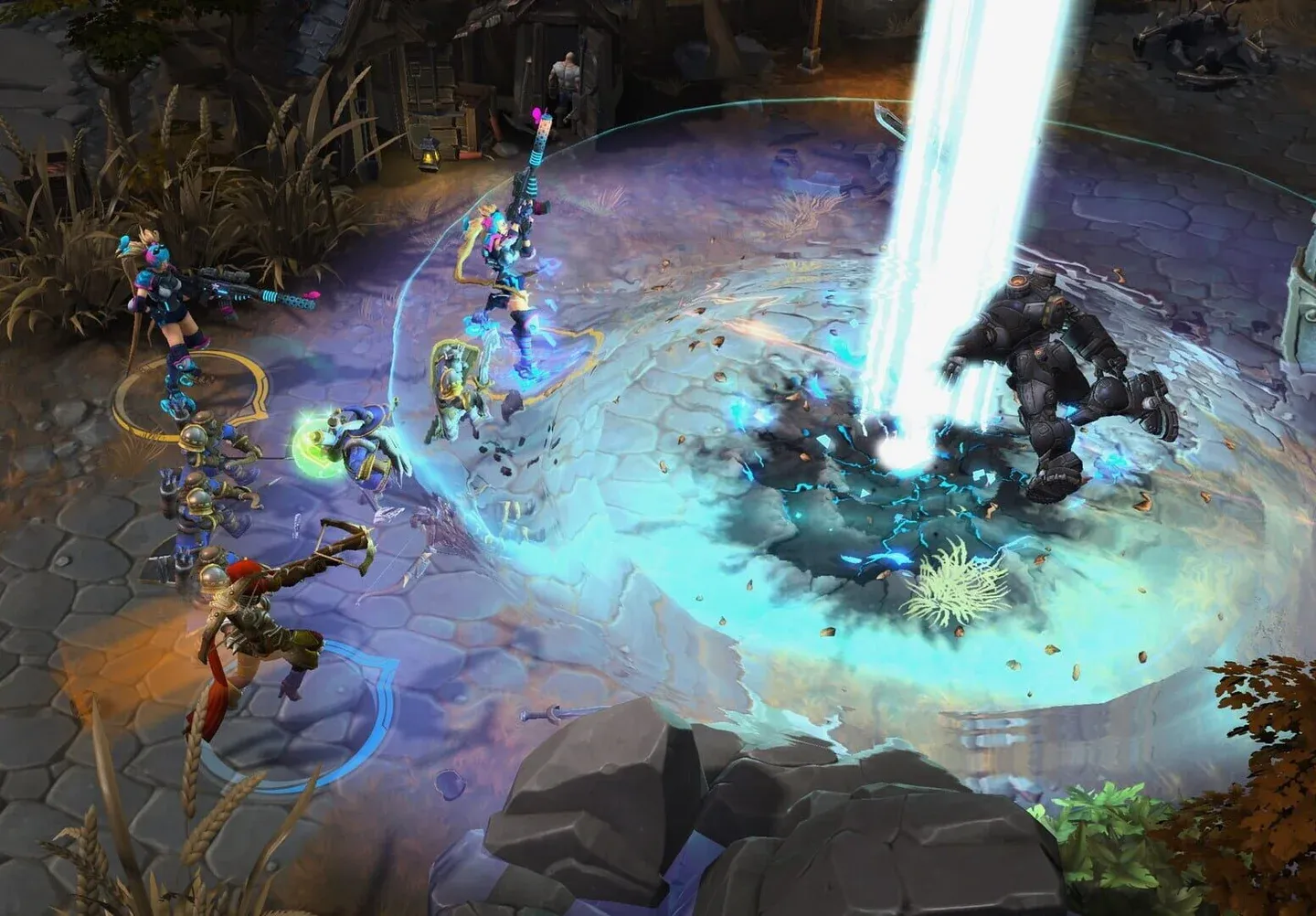
Heroes of the Storm launched in June 2015 as Blizzard's answer to the MOBA genre, and it does not try to be a League of Legends clone. The game pulls heroes from World of Warcraft, StarCraft, Diablo, and even the cult classic The Lost Vikings, then drops them into The Nexus for 5v5 team battles. What makes it immediately distinct is the design philosophy: individual kills don't generate personal gold, levels are shared across the entire team, and the battlegrounds themselves are active participants in the fight.
The result is a MOBA that punishes solo carry mentality harder than almost anything else in the genre. A team that coordinates rotations and plays around map objectives will consistently beat five individually skilled players who ignore each other. That's a deliberate design choice, and it shapes every other aspect of the game.
Gameplay and mechanics
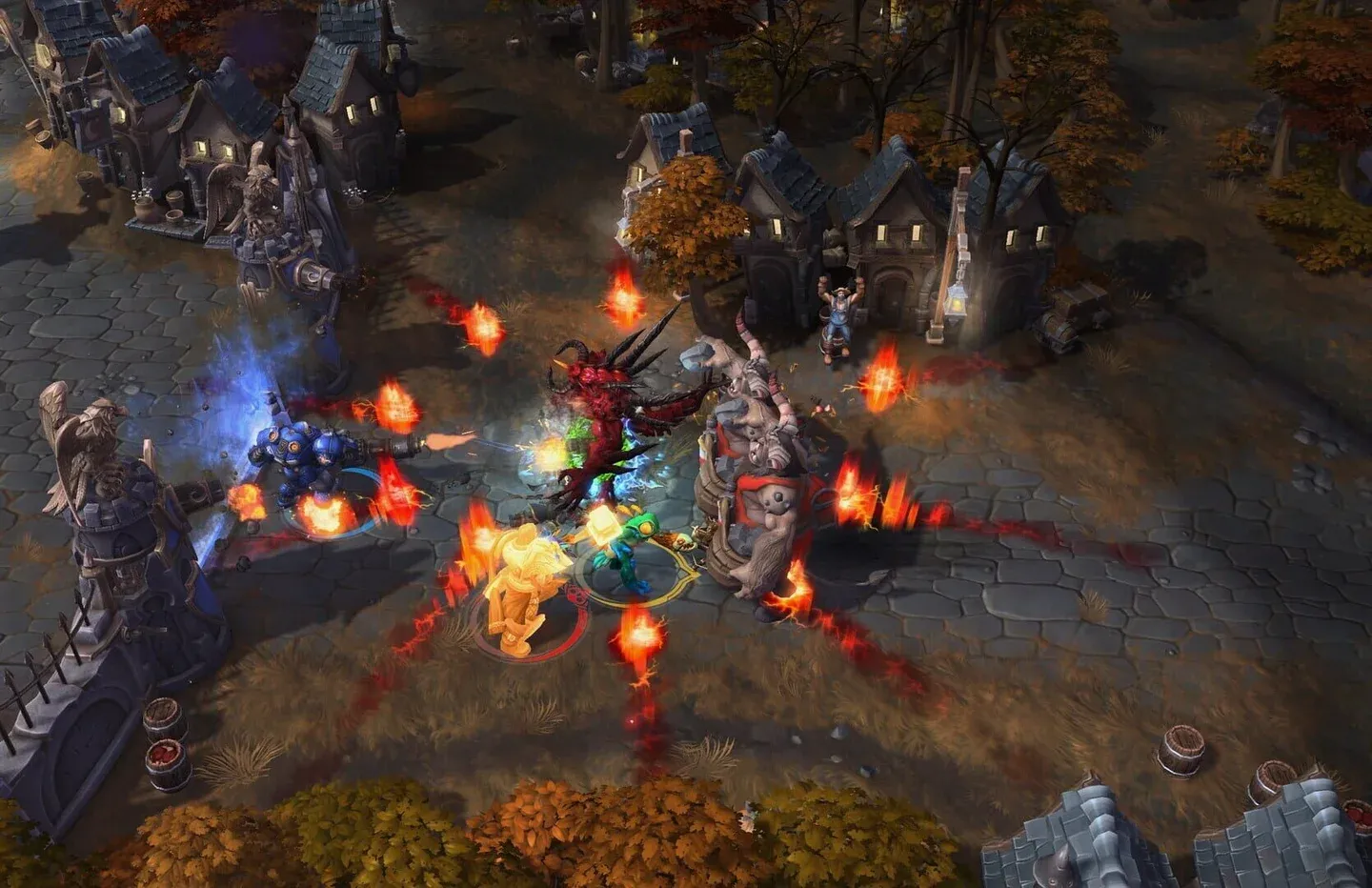
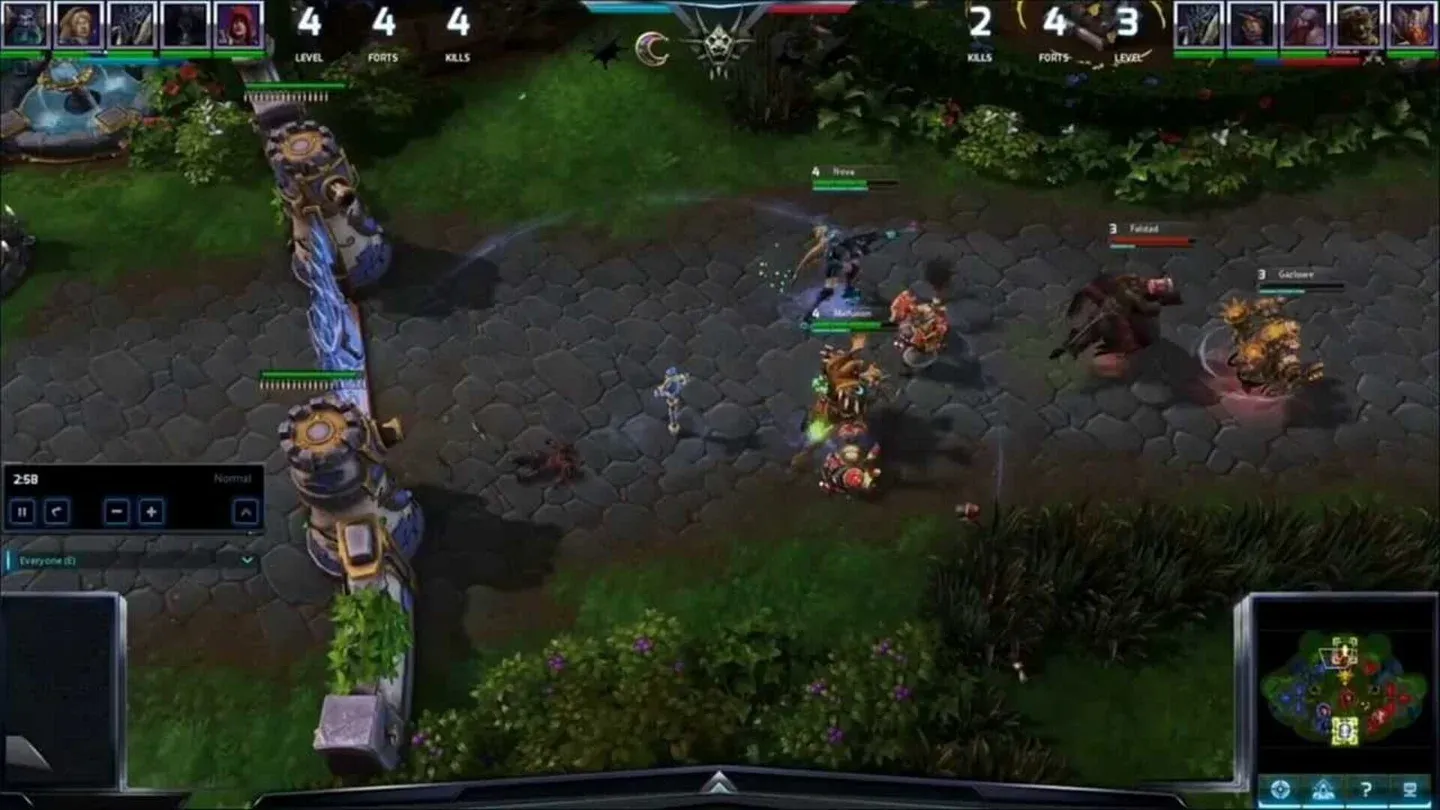
The core loop of Heroes of the Storm centers on team experience, map objectives, and talent-based hero customization. Here's what defines how the game plays:
Heroes of the Storm content image
- Shared team XP replaces individual gold farming
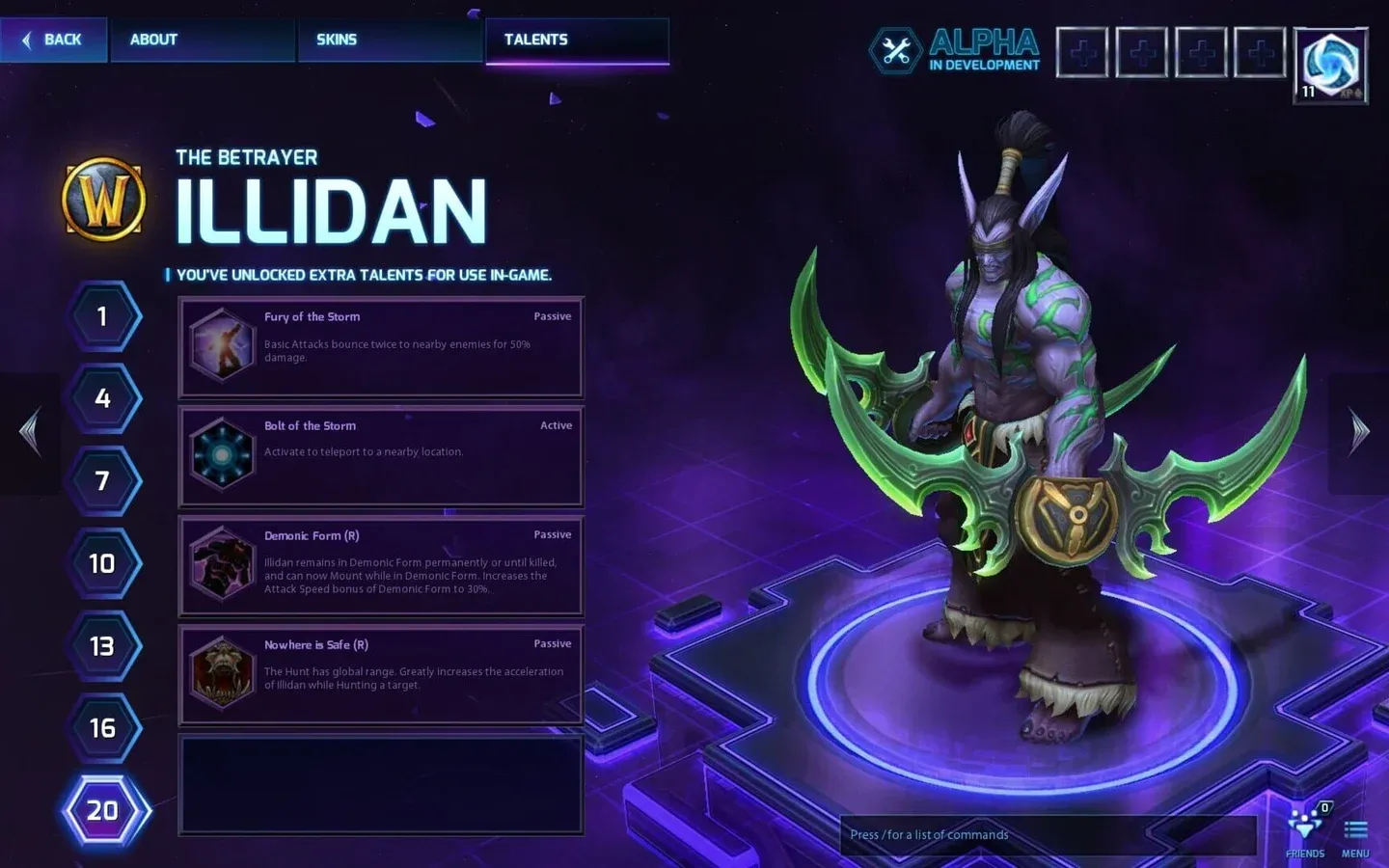
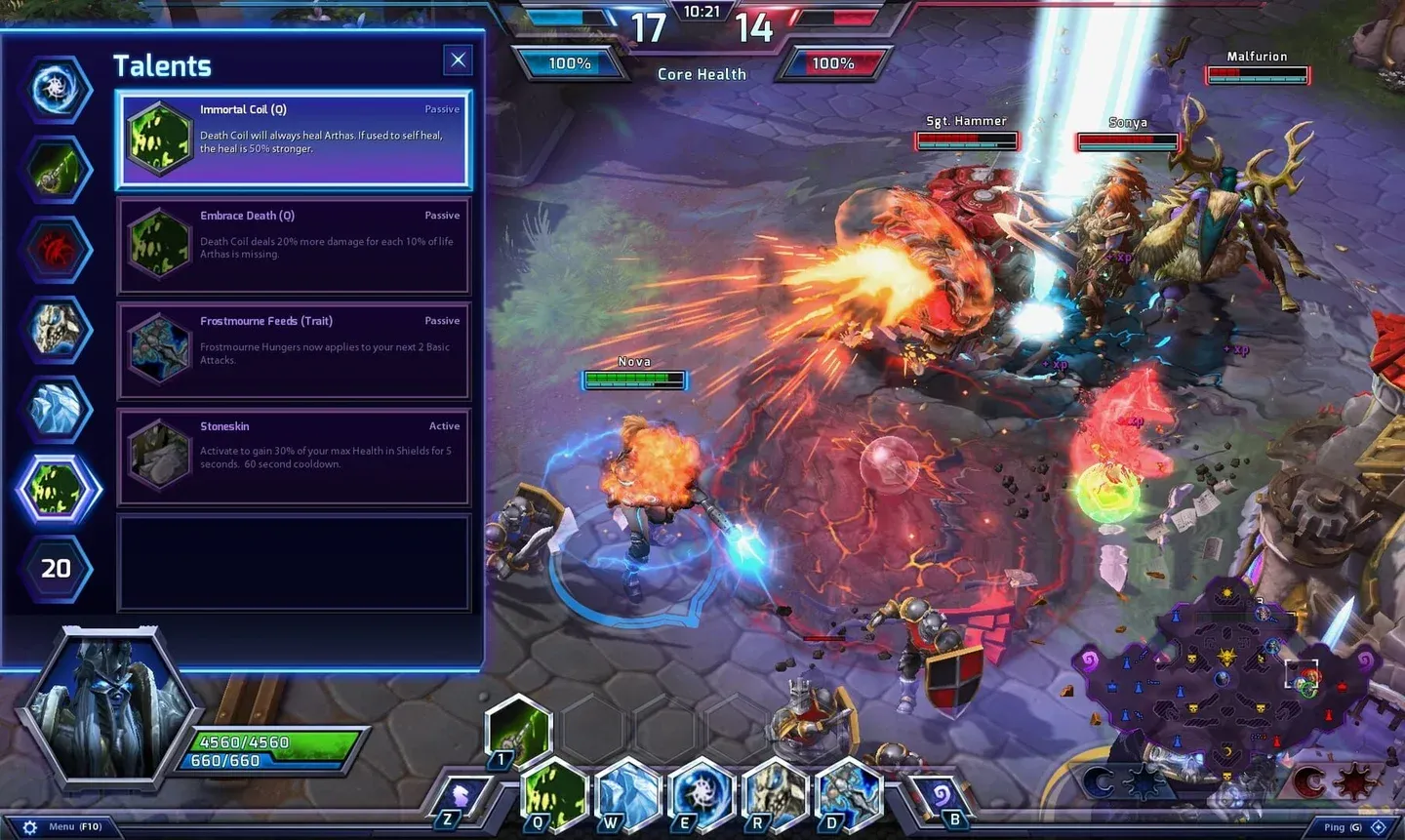
- Talent trees unlock at levels 1, 4, 7, 10, 13, 16, and 20
- Each battleground has a unique mechanic tied to a secondary objective
- Matches typically run 15 to 25 minutes
- No items or individual shops exist in any form
The talent system deserves attention. Every hero has a branching tree of upgrades you choose during the match, meaning two players running the same hero can end up playing completely different roles depending on their picks. A Tyrande built around her healing output plays nothing like a Tyrande specced for her Lunar Flare stun damage.
Heroes of the Storm content image
What makes the battlegrounds different?
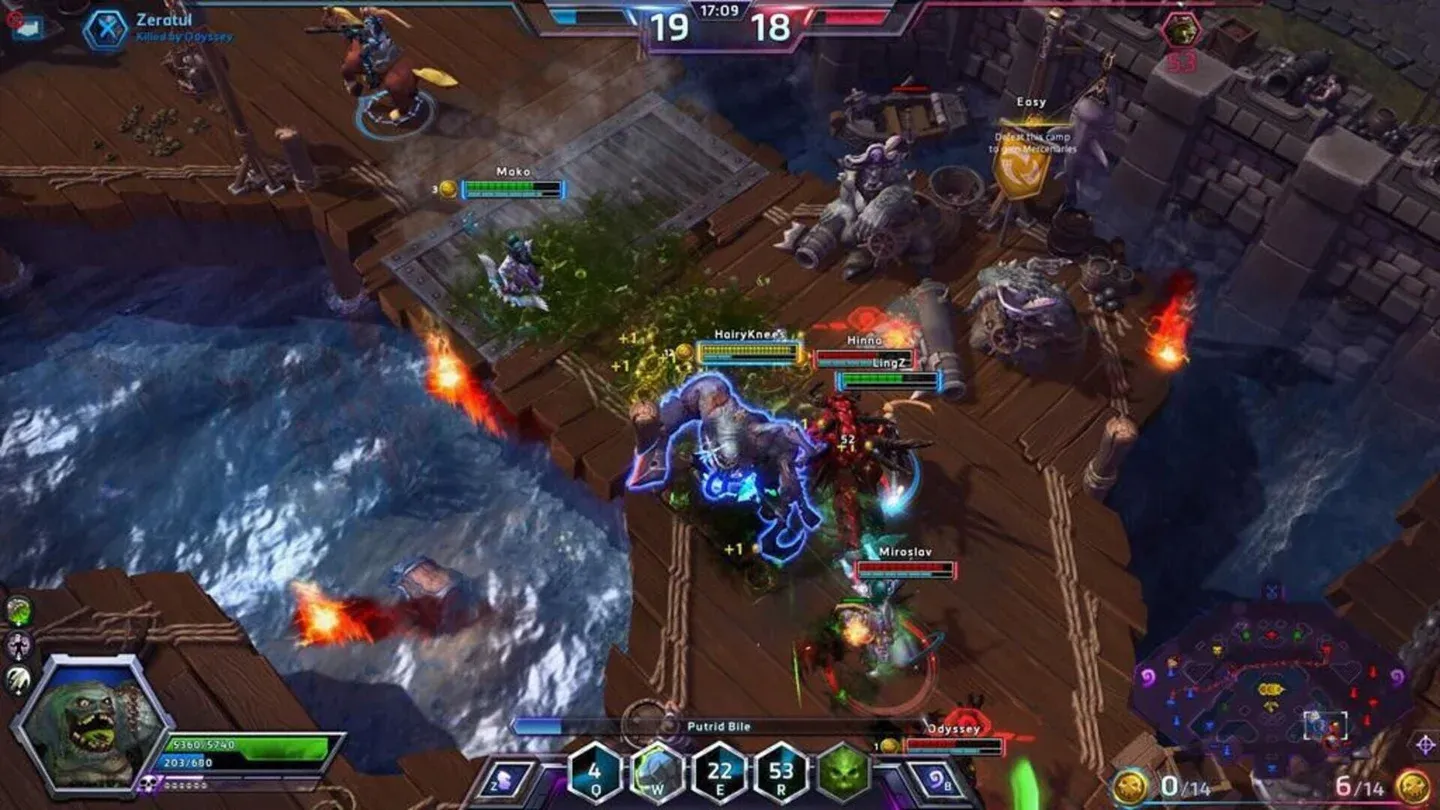
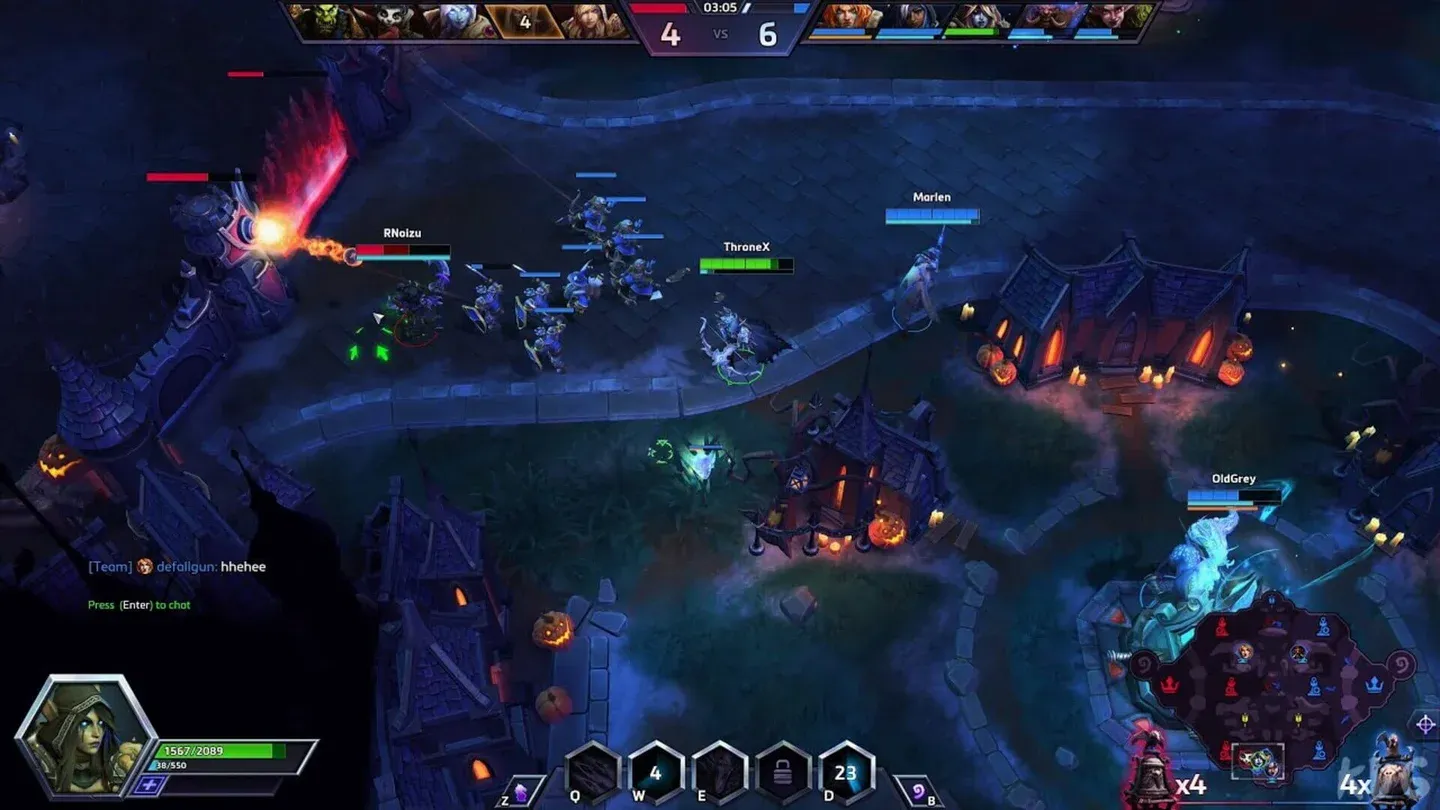
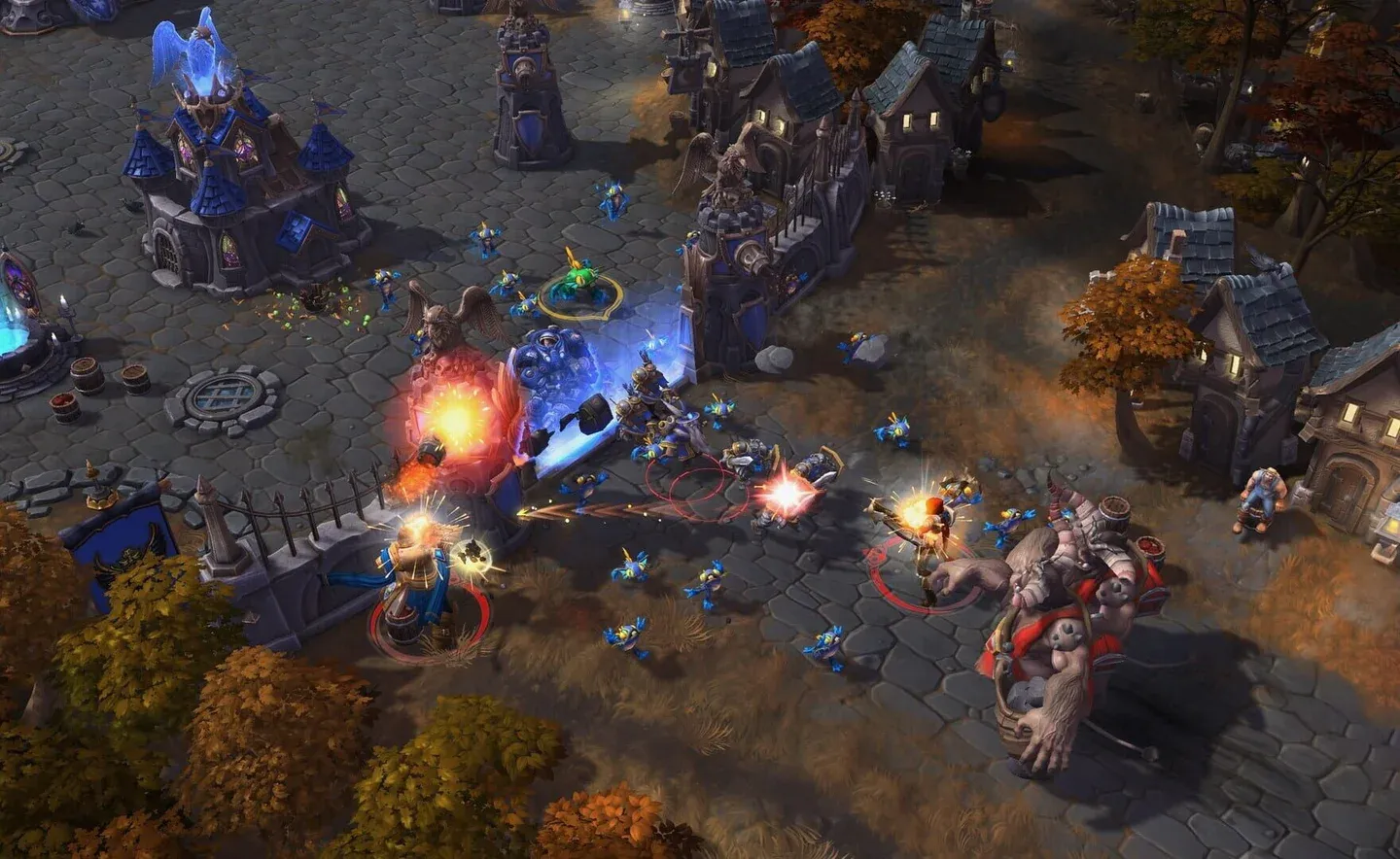
Battlegrounds are the feature that separates Heroes of the Storm most clearly from other MOBAs. Each map has a unique secondary objective that teams compete for, and controlling that objective directly accelerates your push. On Cursed Hollow, collecting tributes curses the enemy team and withers their minions. On Battlefield of Eternity, two immortals fight in the middle of the map and the one your team kills empowers your wave. On Blackheart's Bay, you collect coins and pay a ghost pirate captain to bombard the enemy base.
This means strategy shifts map by map. A hero composition that dominates on Sky Temple can fall apart on Tomb of the Spider Queen. Teams that understand each map's rhythm and build their drafts accordingly have a real structural advantage.
Heroes of the Storm content image
Hero roster and Blizzard universe crossover
The hero roster spans decades of Blizzard history. Arthas, Jaina, and Sylvanas represent Warcraft. Jim Raynor, Kerrigan, and Zeratul come from StarCraft. Diablo, Tyrael, and Auriel bring the gothic weight of the Diablo series. Deckard Cain, the franchise's famous lorekeeper, even made it in as a support hero who drops tomes on the ground for allies to read.
The crossover framing is loose enough that it never gets in the way. The Nexus exists as a kind of interdimensional arena, so the lore explanation for why Murky the murloc is fighting on the same team as Nova Terra is minimal and intentional. Players who care about Blizzard history will catch references constantly; players who don't can ignore it entirely.
Multiplayer and replayability
Heroes of the Storm is free to play with a rotating roster of free heroes, and additional heroes can be unlocked through in-game gold earned by playing or purchased directly. The game includes ranked play, unranked draft, quick match, and a co-op mode where human players face AI opponents, which works well for learning new heroes without the pressure of a competitive match.
The talent customization system and the variety of battlegrounds give the game genuine replayability. No two matches play out the same way when the map changes the win condition and your hero's build can shift the team's entire strategy mid-game.
Heroes of the Storm content image