
Advertisement

Overview
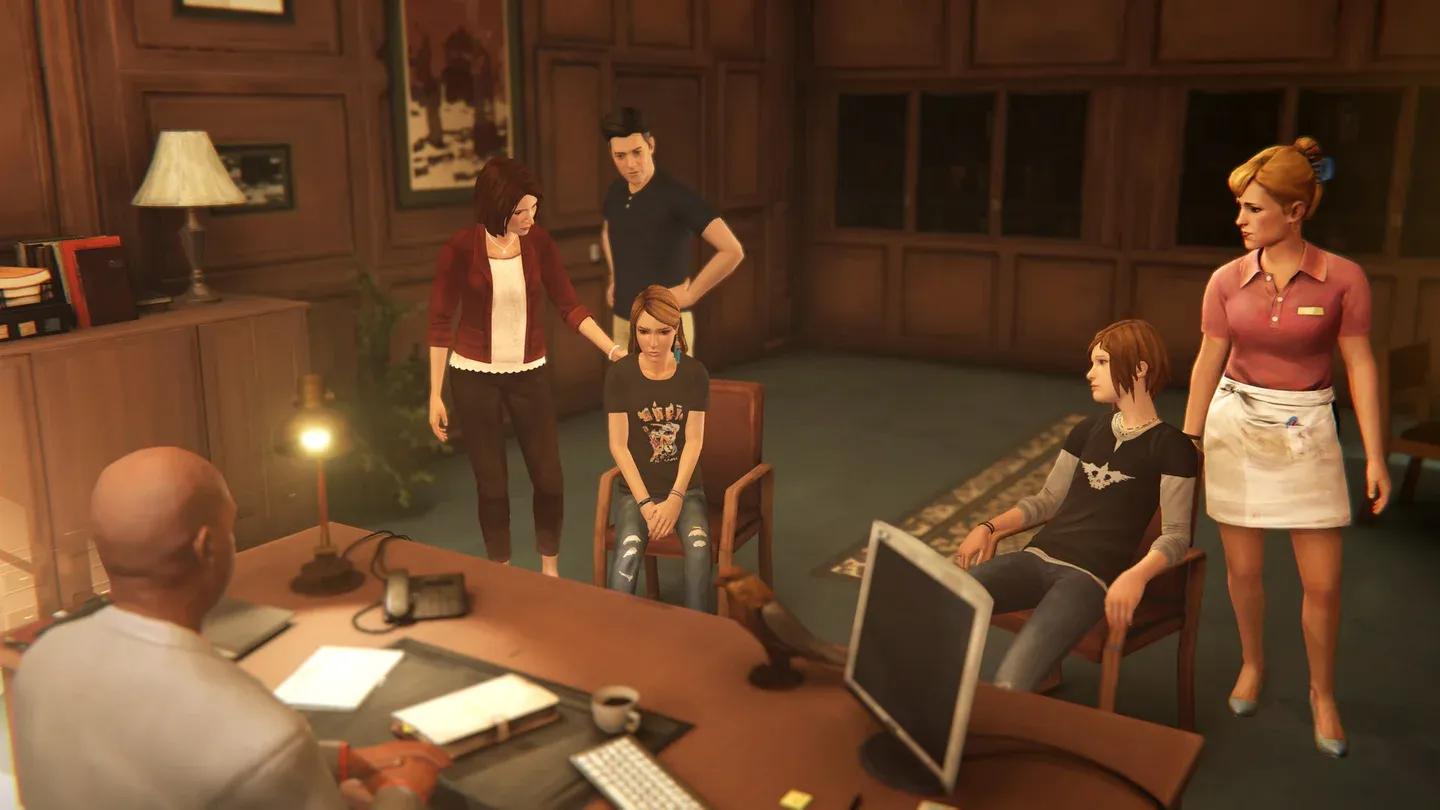
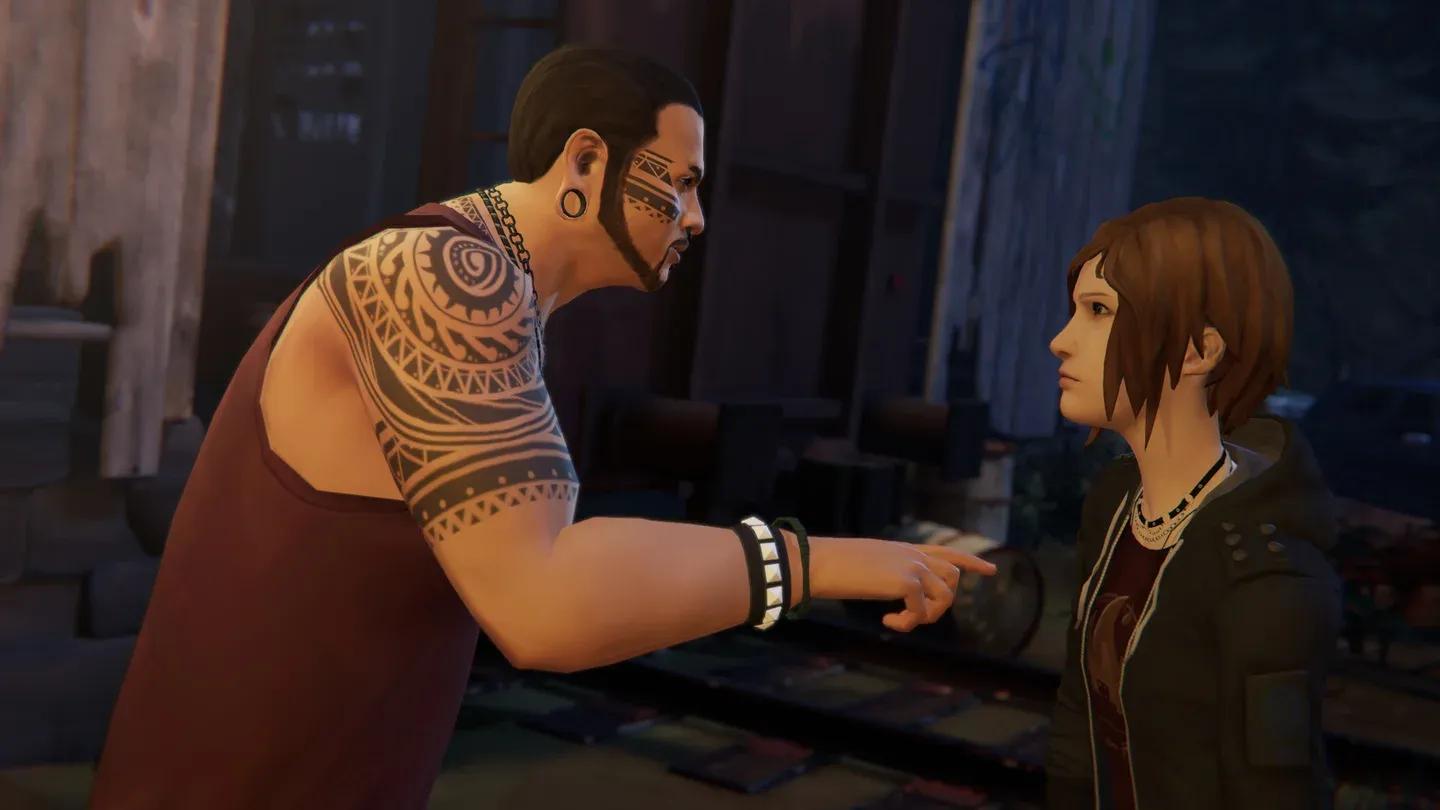
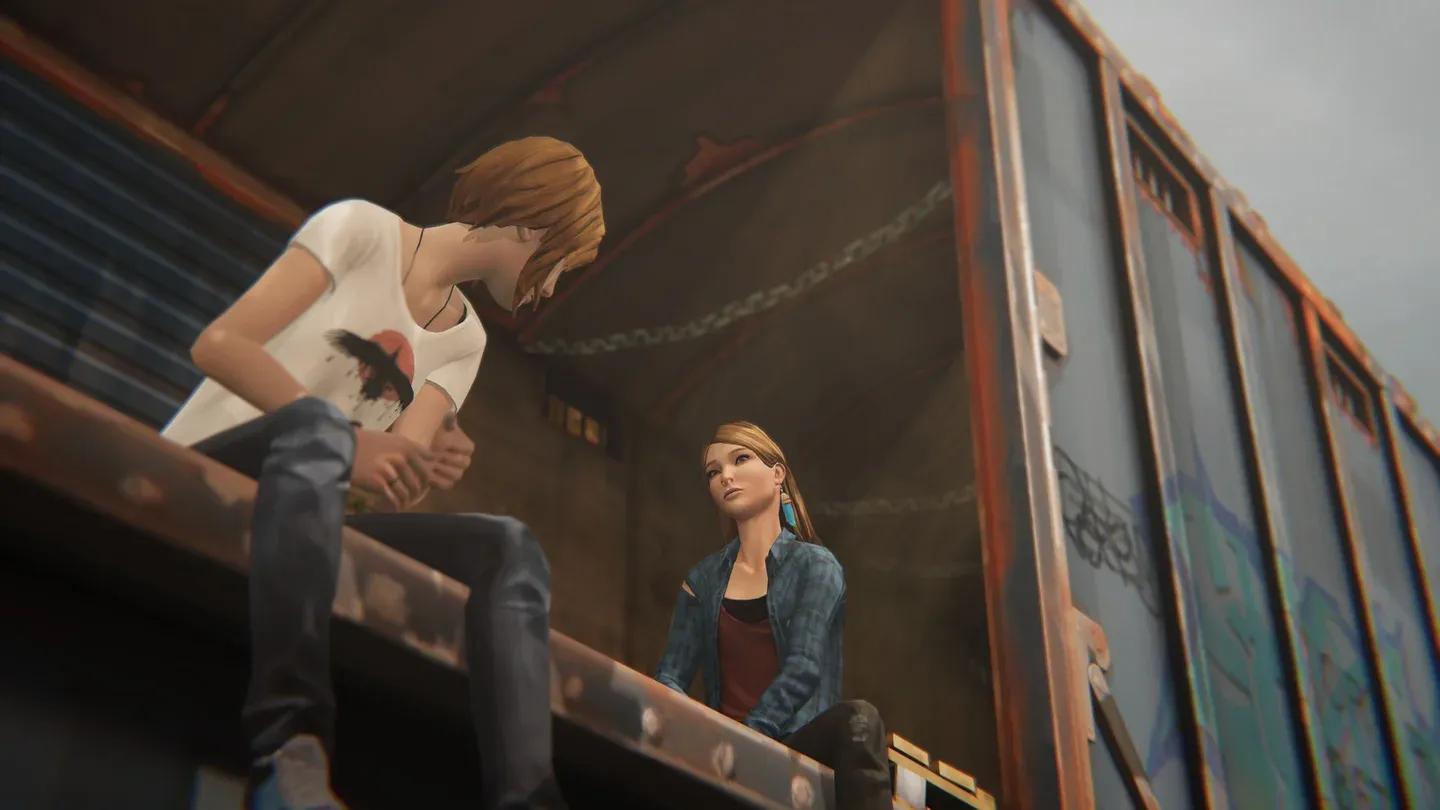
Life is Strange: Before the Storm is a three-part narrative adventure developed by Deck Nine and published by Square Enix, released on August 31, 2017. Set three years before the events of the BAFTA award-winning original, it follows 16-year-old Chloe Price as she forms an unlikely bond with Rachel Amber, the kind of girl who seems destined for bigger things than Arcadia Bay. When Rachel uncovers a family secret that threatens to unravel everything she thought she knew, the two are pushed together in ways neither expected.
The game carries real emotional weight without leaning on the time-rewind mechanic that defined the first game. Deck Nine strips the supernatural element away entirely and replaces it with something quieter: two teenagers navigating grief, anger, and the specific kind of desperation that comes from feeling trapped in a small town. That restraint pays off. The story of Chloe and Rachel works precisely because it doesn't need a gimmick.
Life is Strange: Before the Storm content image
Gameplay and mechanics
Before the Storm's core loop is built around dialogue choices and exploration, familiar ground for fans of the genre. The standout mechanic is Backtalk, a risk/reward conversation system that lets Chloe use her sharp tongue to provoke, deflect, or get her way in tense exchanges. Succeed, and doors open. Fail, and situations escalate. It's a small but characterful addition that fits Chloe's personality perfectly.
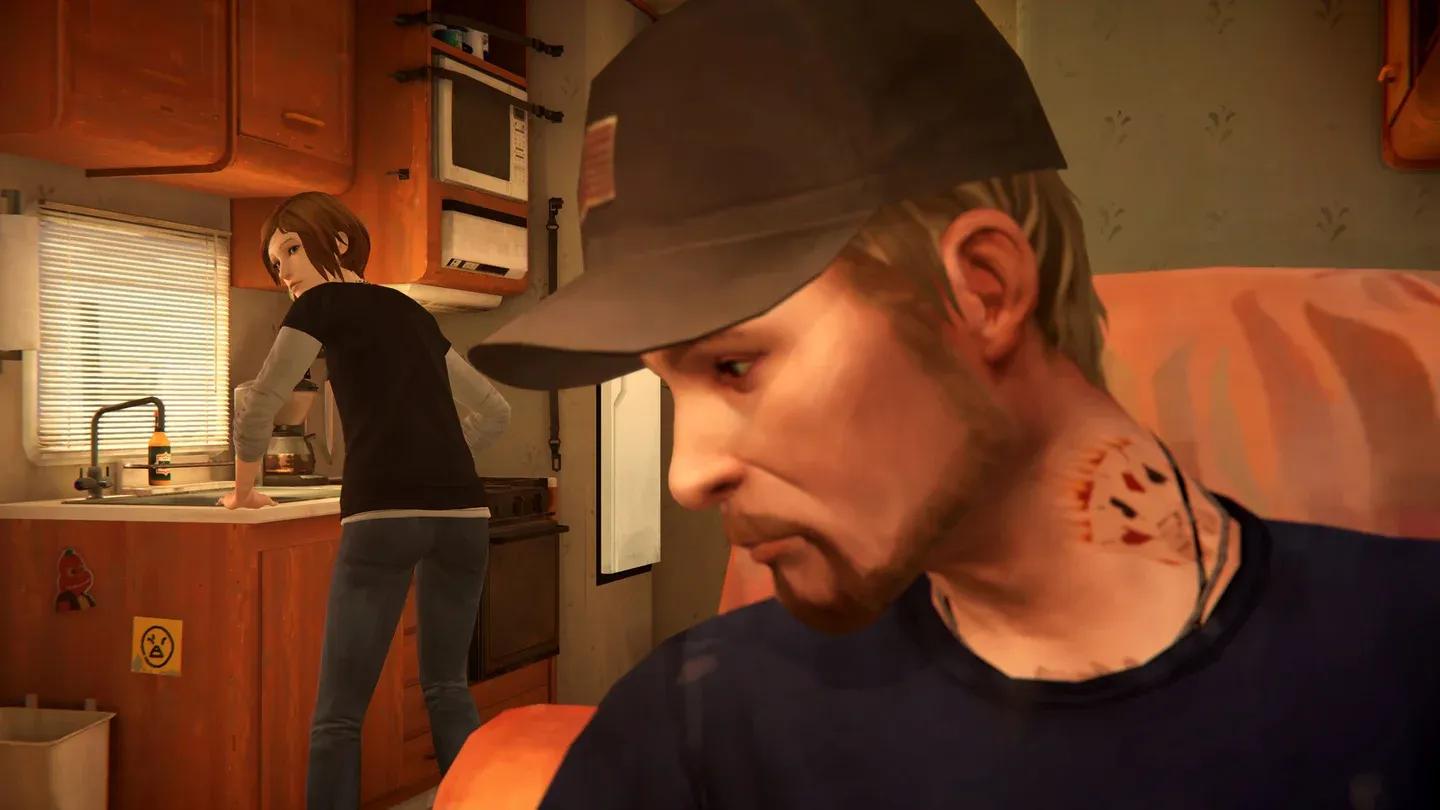
Life is Strange: Before the Storm content image
Key mechanics include:
- Backtalk conversation challenges
- Choice-and-consequence branching narrative
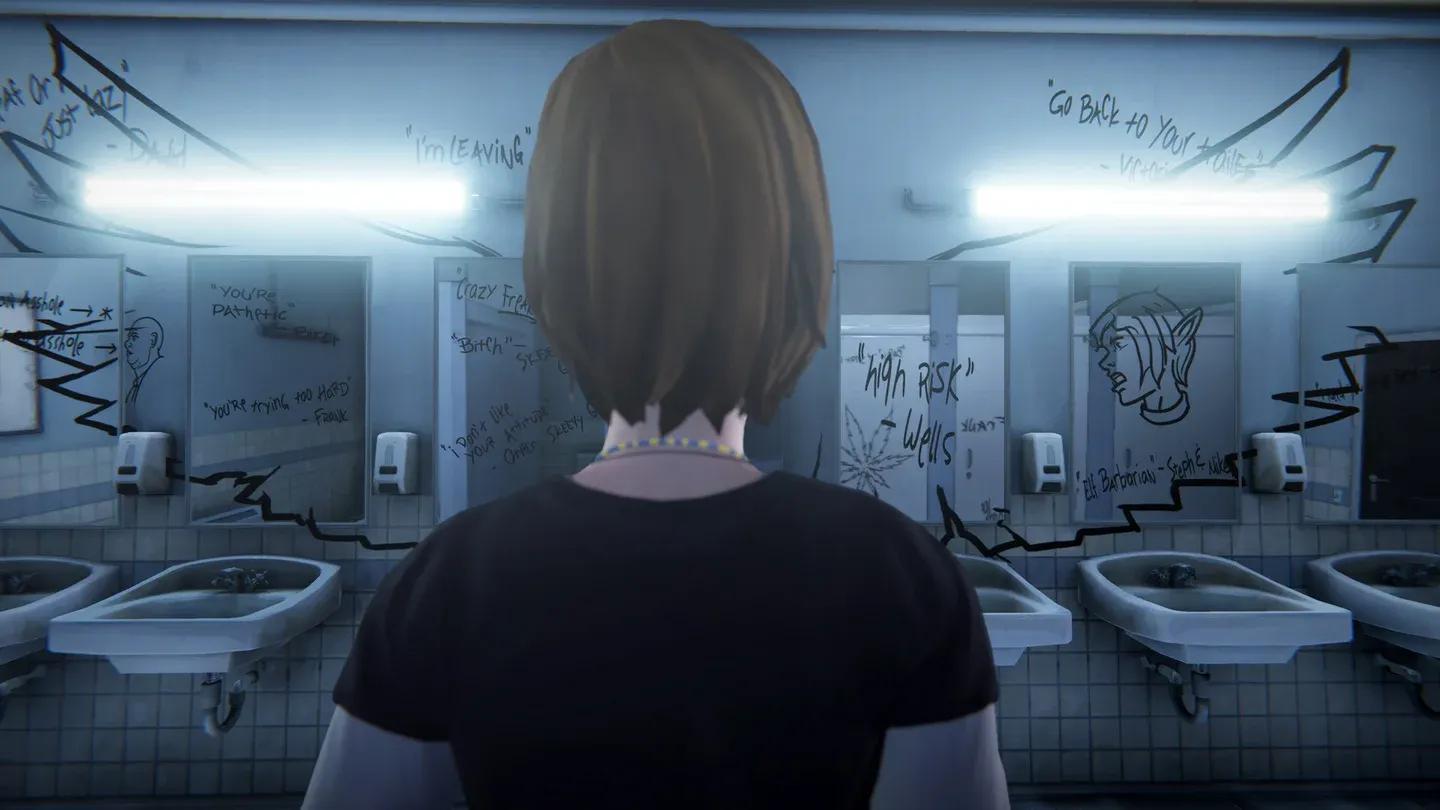
- Environmental graffiti and drawings
- Outfit selection affecting NPC reactions
- Multiple endings across three episodes
The game also lets players leave their mark on the world through tags and drawings scrawled in the environment, small touches that reinforce Chloe's identity as someone who refuses to go unnoticed.

Life is Strange: Before the Storm content image
World and setting
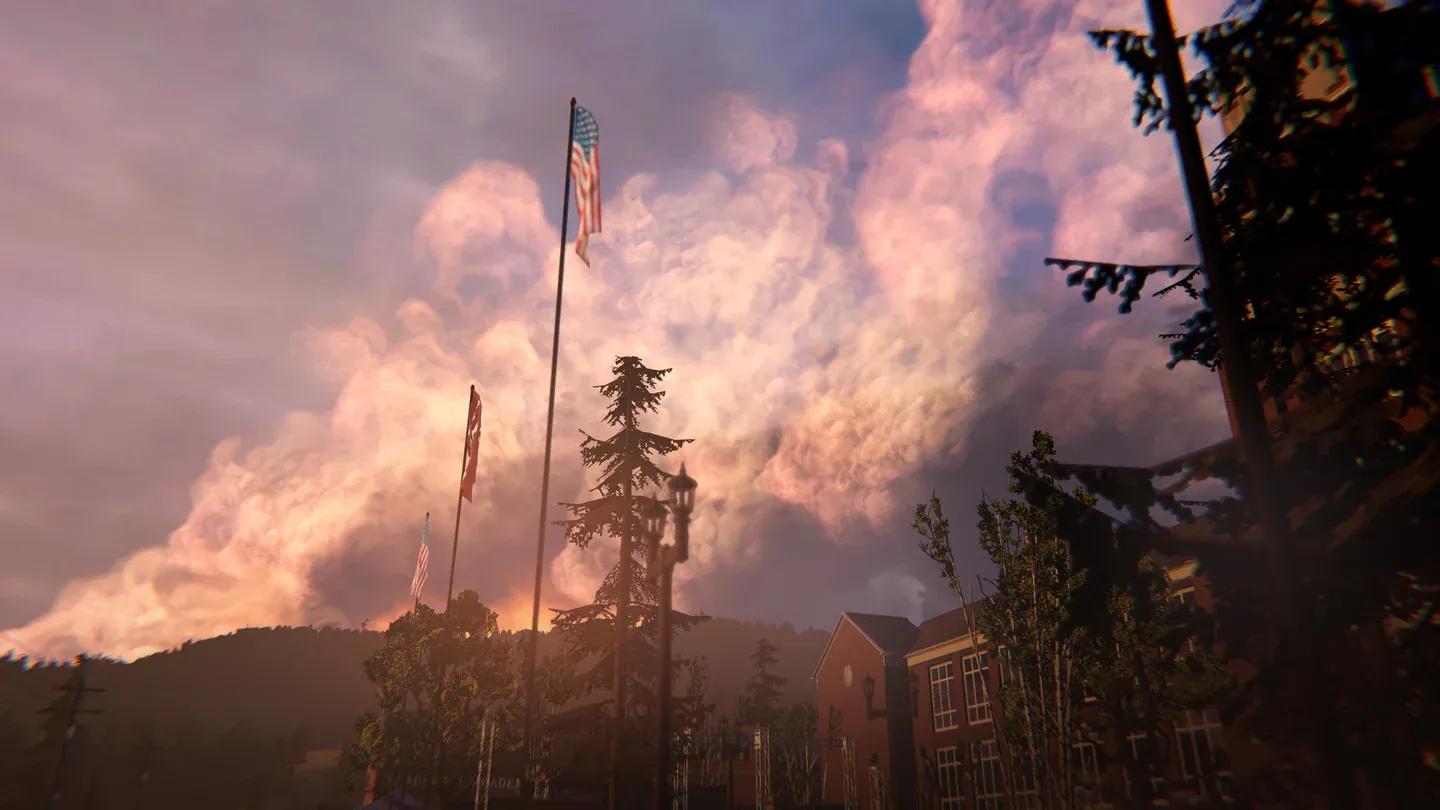
Arcadia Bay feels lived-in here in a way the first game only gestured at. Deck Nine builds out locations that were previously glimpsed or referenced, giving the town a history that makes the events of the original series land differently on a second playthrough. Chloe's home, her school, the places she escapes to, they all carry a specific Pacific Northwest weight.
The writing earns its emotional moments rather than manufacturing them. Rachel Amber, a character the player only ever knew as an absence in the first game, becomes fully realized here. That transformation is the prequel's biggest achievement.
Visual and audio design
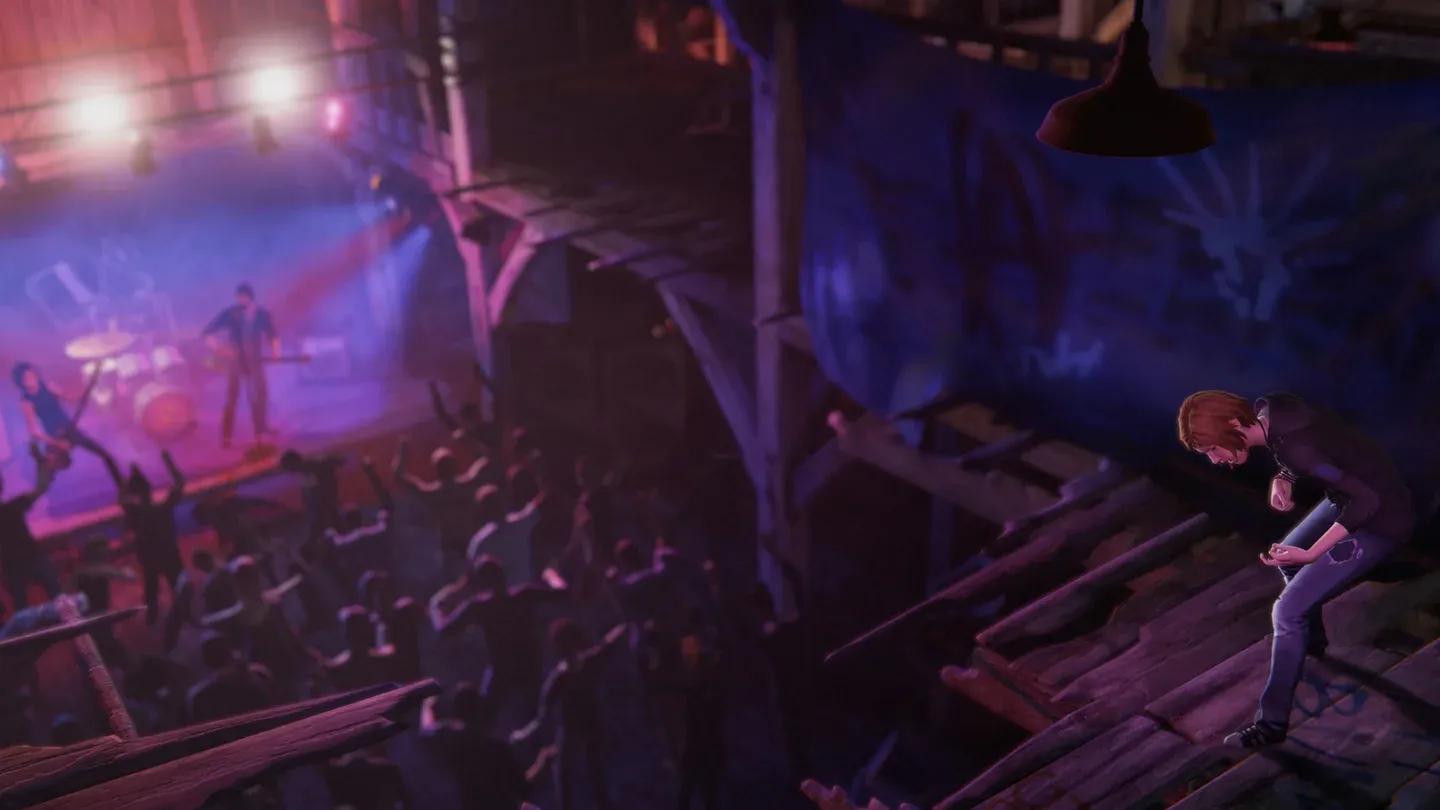
Daughter composed the original score, and it suits the game's mood precisely: spare, melancholic, occasionally beautiful. The licensed indie soundtrack continues the series tradition of pairing specific songs to specific moments in ways that stick long after the credits roll.
Visually, Before the Storm maintains the painterly aesthetic of the original while tightening character animation and expression work. The performances carry the emotional load, and the voice cast delivers throughout all three episodes.
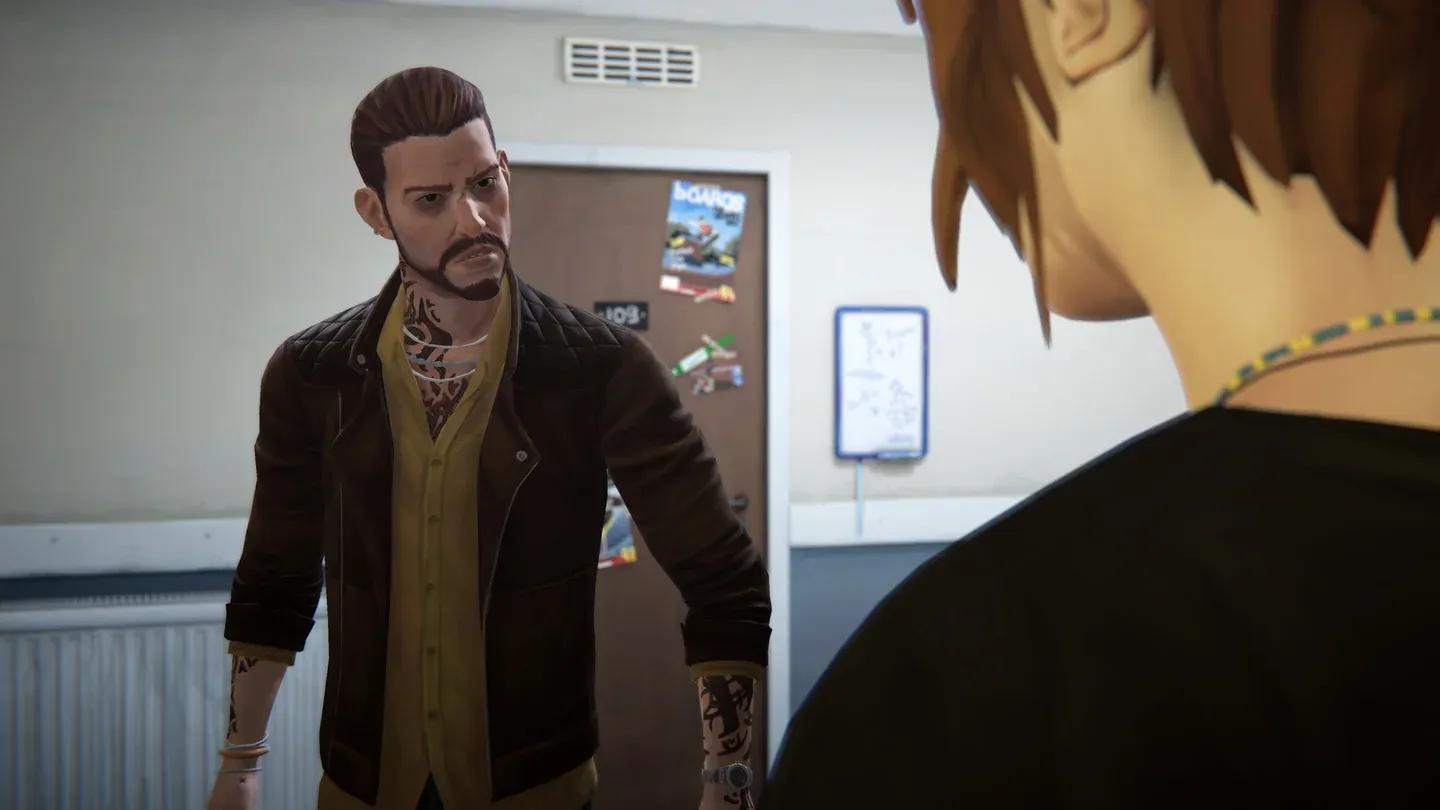
Life is Strange: Before the Storm content image
Content and replayability
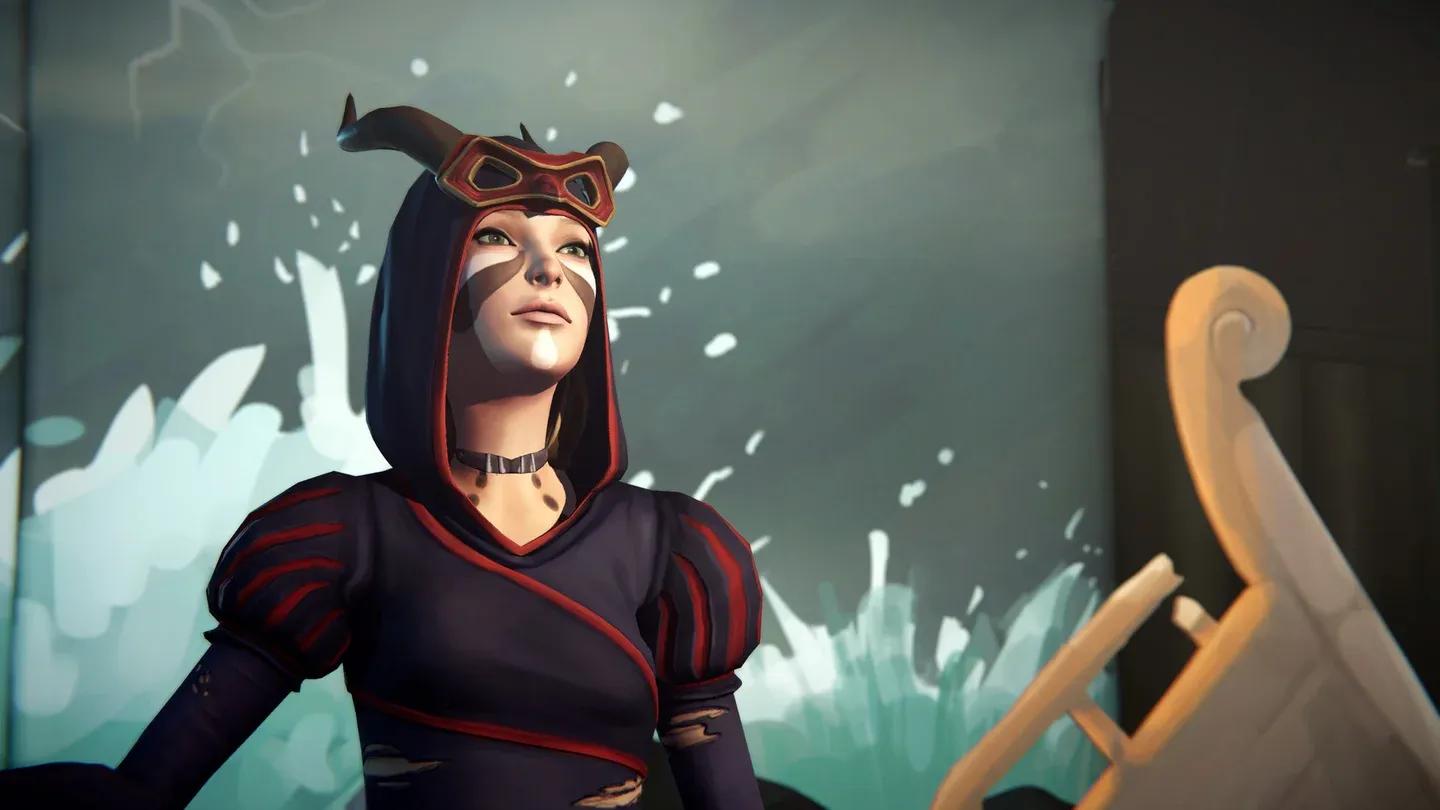
The Deluxe Edition adds the bonus episode Farewell, which brings back voice actors Ashly Burch and Hannah Telle as young versions of Max and Chloe. It's a standalone chapter set before the events of either game, focused entirely on their childhood friendship, and it functions as a genuinely moving coda to the whole prequel arc. The Deluxe Edition also includes Mixtape Mode, which lets players build custom playlists from the licensed soundtrack and pair them with cinematic scenes from the game, and an exclusive outfit pack with three additional looks for Chloe.
For players who want to see how their choices branch, the three-episode structure invites a second run. The Backtalk system and outfit-driven NPC reactions create enough variation to make replays feel purposeful rather than obligatory. Before the Storm is a short game by design, around six to eight hours for the main episodes, but it uses that runtime without waste.
System Requirements
| Requirement | Minimum | Recommended |
|---|---|---|
| OS | - | Windows 10 64-bit |
| Processor | Intel Core i3-2100 (3.1GHz) or AMD Phenom X4 945 (3.0GHz) | Intel Core i3-6100 (3.7GHz) or AMD Athlon X4 845 (3.5GHz) |
| Memory | 3 GB RAM | 6 GB RAM |
| Graphics | AMD Radeon R7 250 or NVIDIA Geforce GTX 650 | AMD Radeon RX 460 or NVIDIA Geforce 1050 |
| DirectX | Version 11 | Version 11 |
| Storage | 14 GB available space | 14 GB available space |