

Advertisement



Overview
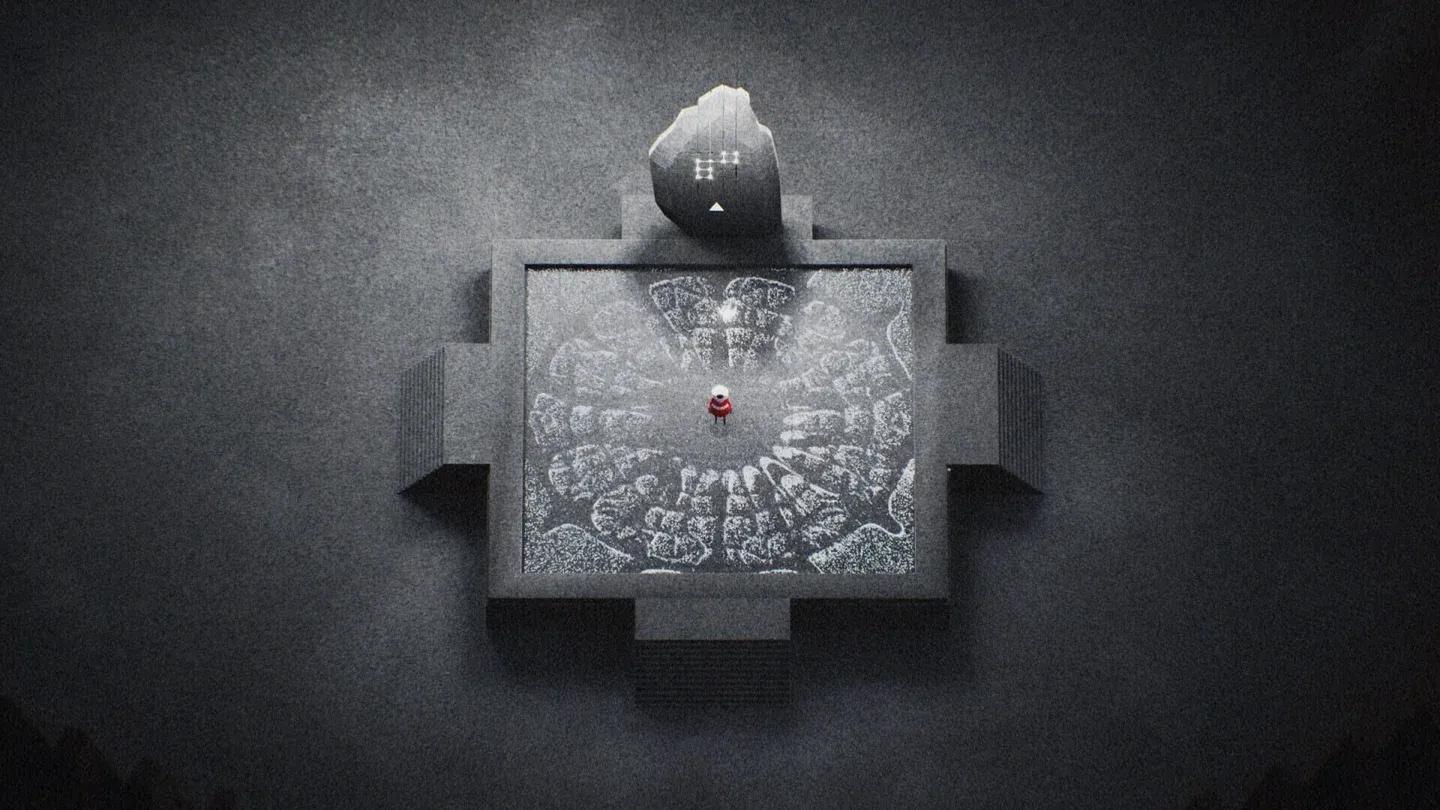
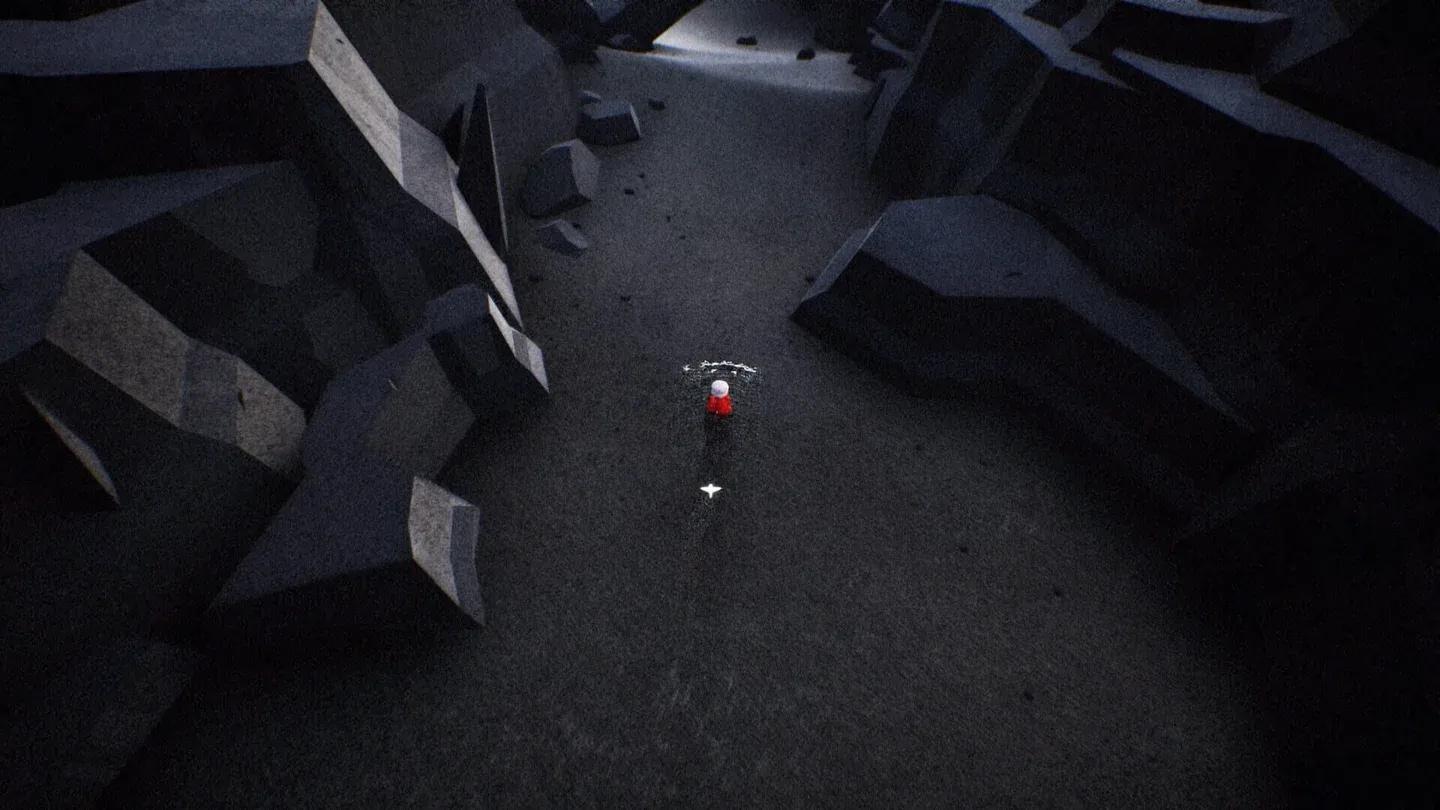
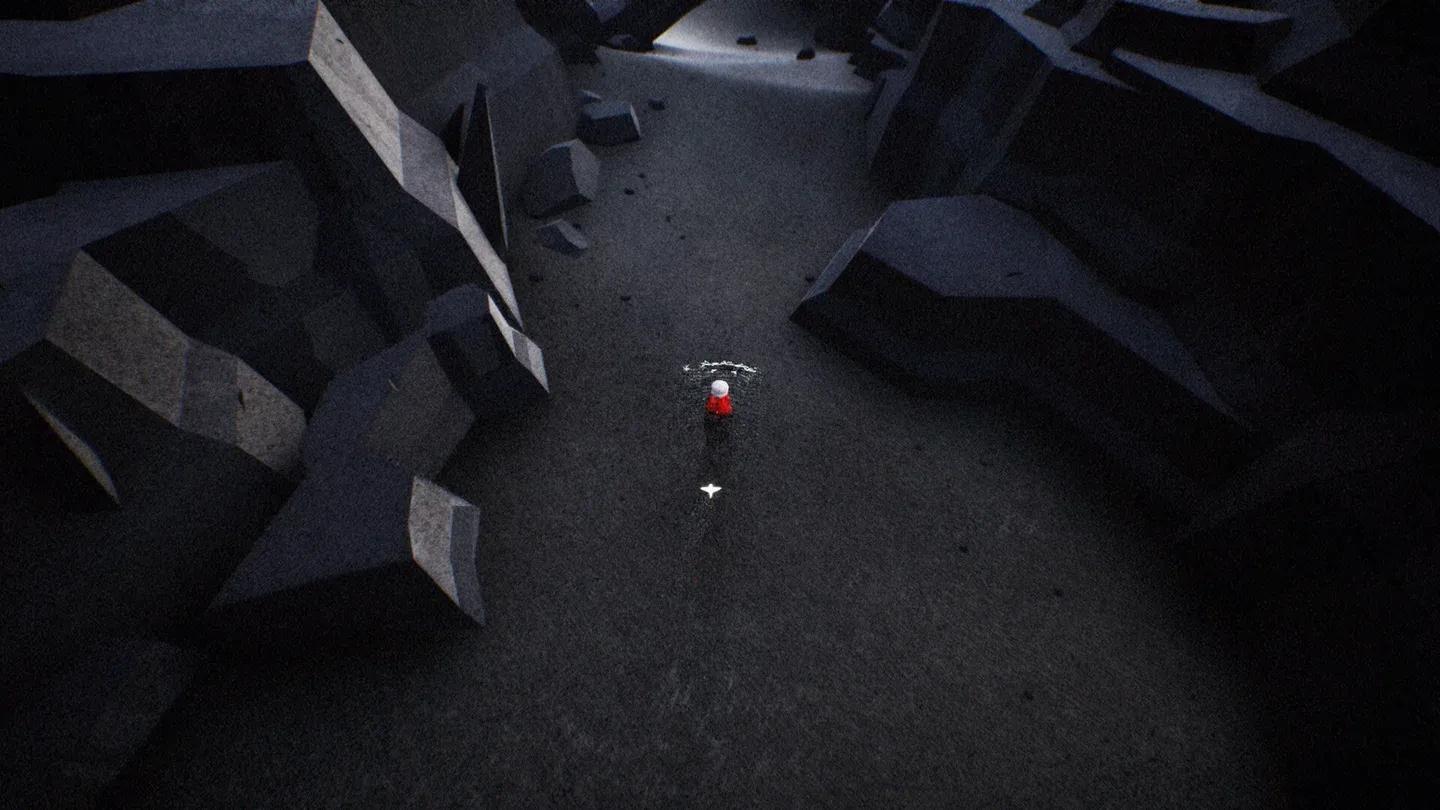
Lofsöng is an art-driven exploration puzzle adventure from Unrelated Studio set across monumental brutalist architecture on a long-dead Earth. The player controls a childlike figure in oversized headgear, accompanied by a shapeshifting origami companion, traversing a gray Exclusion Zone where nuclear winter has erased everything except the structures left behind. No dialogue, no map, and no explicit objectives: the world communicates entirely through geometry and sound.
The premise draws on a genuinely fascinating real-world question: how do you leave a warning for a civilization that doesn't share your language? Lofsöng takes that idea and builds an entire game around it. Every monument was designed to be read, not looked at. The stone speaks if you know how to listen.
Lofsöng content image
Gameplay and mechanics
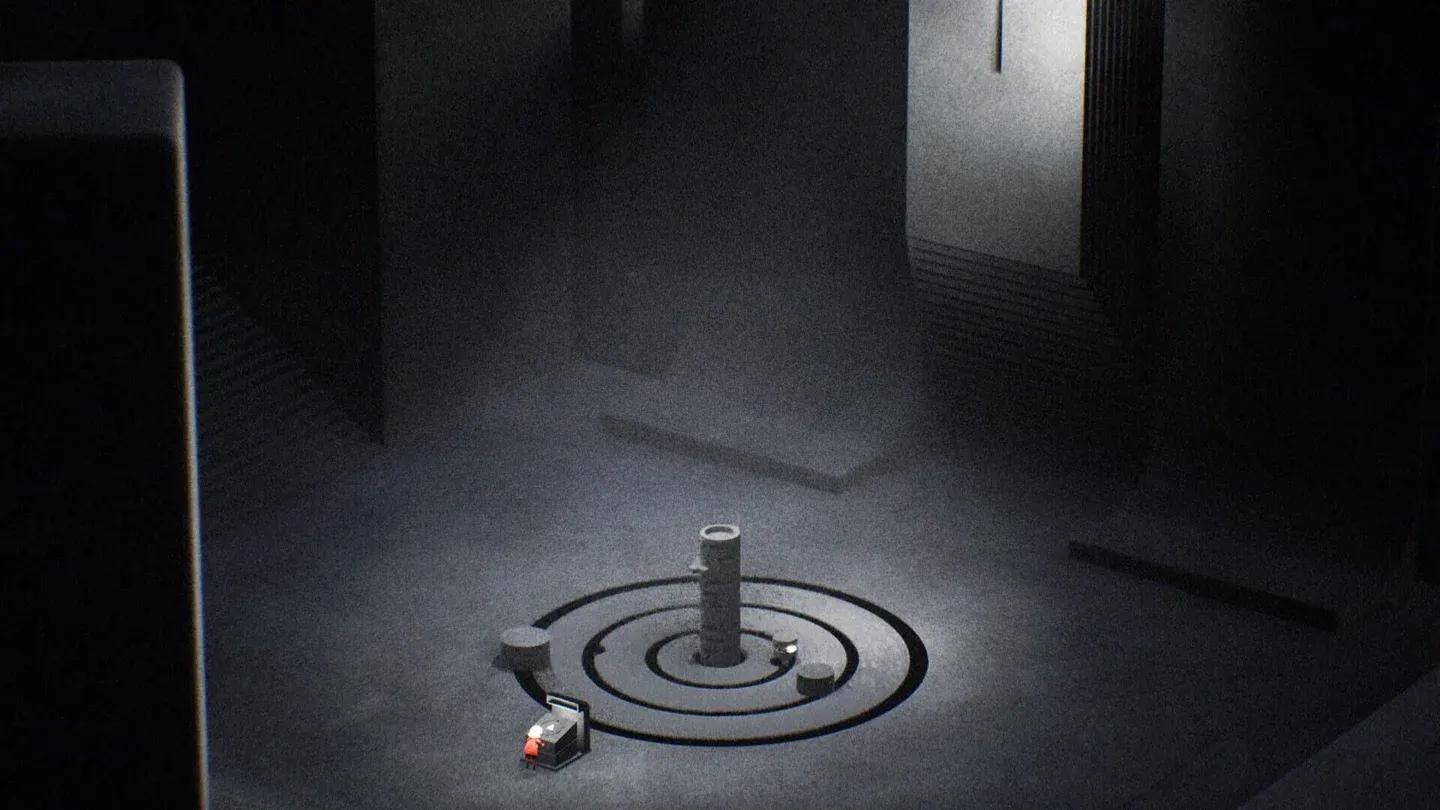
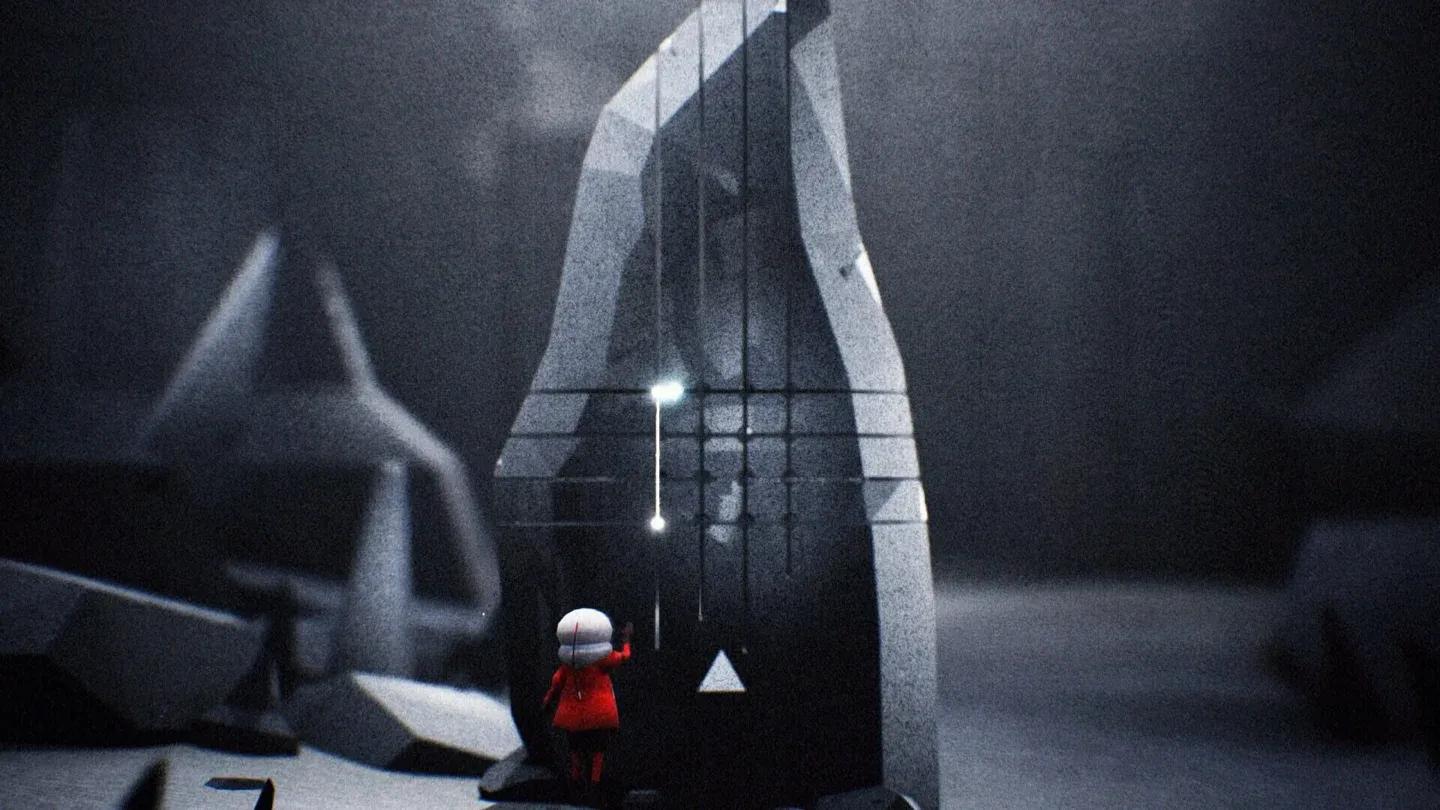
Lofsöng's core loop is built on acoustic interaction. Objects respond to sound, mechanisms unlock through resonance, and the world reveals its history only when you engage with it directly rather than observe it passively. Progression comes entirely from discovery and recognition, not from collecting items or leveling stats.

Lofsöng content image
Key gameplay features:
- Sound-based puzzle interaction with environmental objects
- Shapeshifting companion that transforms into a kite, glider, or sailboat
- Open exploration across brutalist landscapes with hidden areas
- Wordless narrative pieced together through sound traces
- Post-credits mysteries that extend beyond the main playthrough
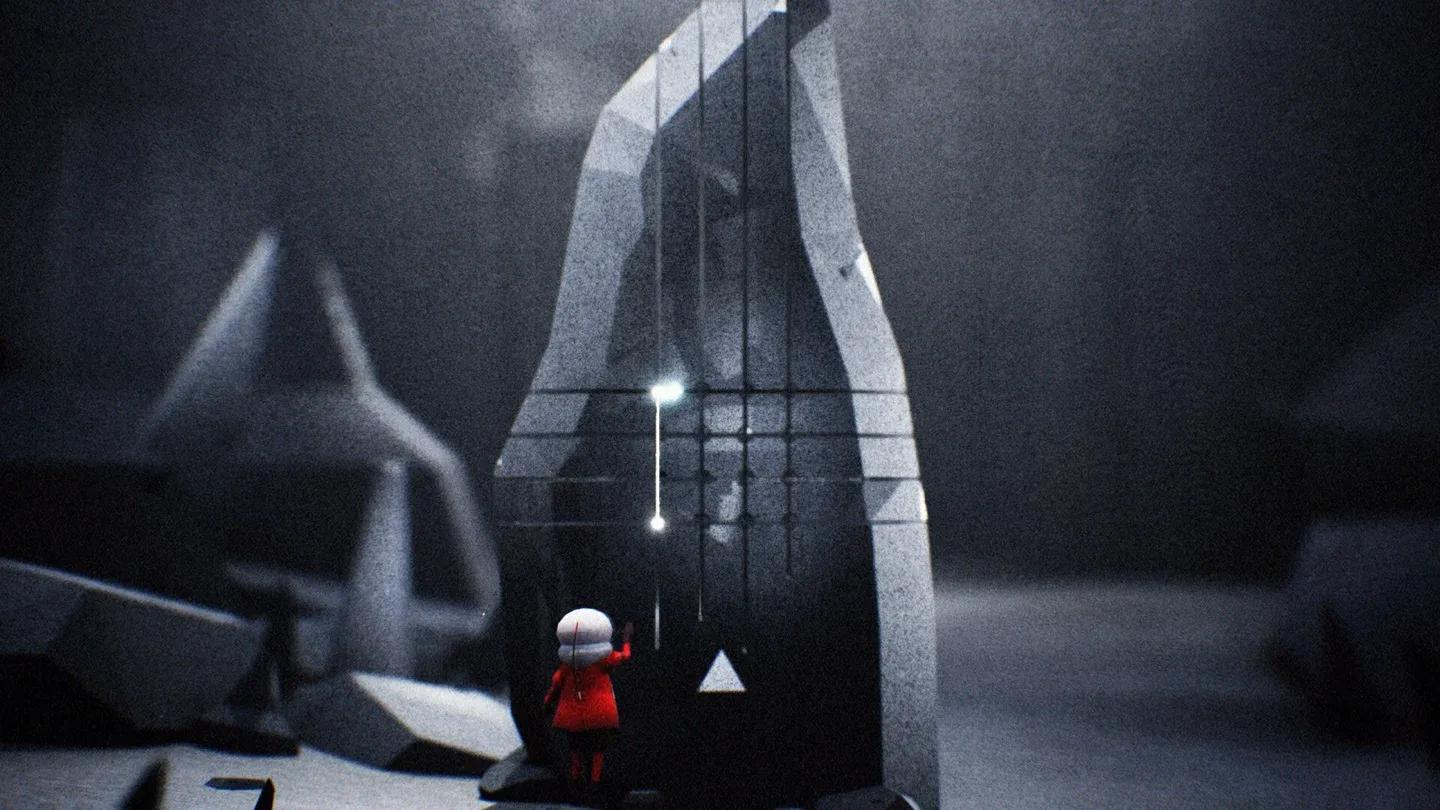
The companion system is central to traversal. Across the Dust Sea, the origami figure shifts form in response to natural forces, unlocking new movement options as the world opens up. It functions less like a tool and more like a co-explorer, its transformations tied directly to what the environment demands.
World and setting
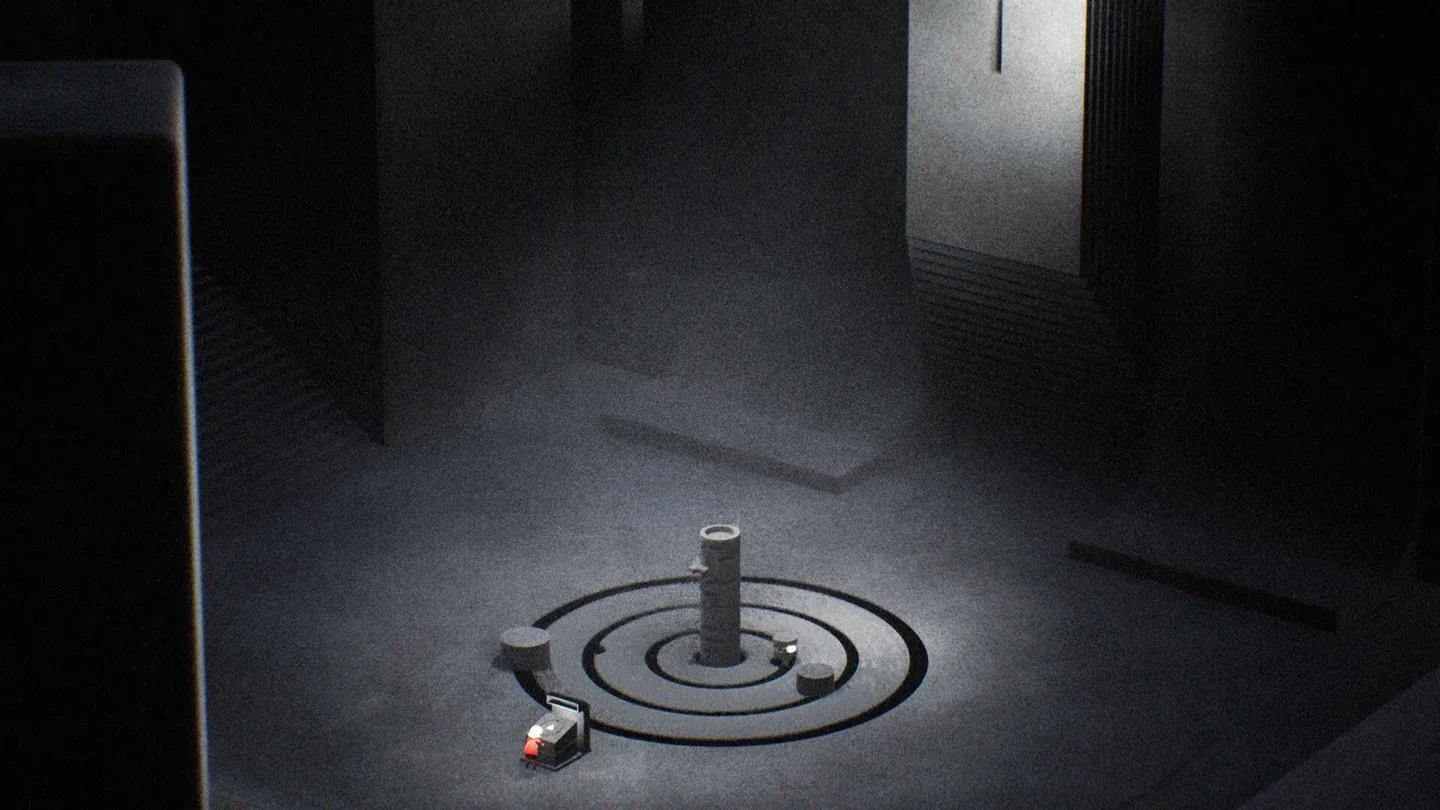
The setting is Earth, but not any version of it that feels familiar. What remains is a gray desert of ash stretching into an everlasting nuclear winter, an Exclusion Zone that grows stranger and more cosmic the deeper you travel toward its epicenter. The brutalist architecture scattered across this wasteland isn't decorative; it's functional. These are monuments built specifically to communicate across impossible spans of time.
Lofsöng content image
That architectural language borrows from real nuclear semiotics research, the actual problem of how to mark radioactive sites for civilizations thousands of years in the future. Lofsöng translates that academic anxiety into something you can walk through. The scale of the structures reinforces how small the player character is against the weight of what was lost.
Visual and audio design
The art direction leans hard into its brutalist aesthetic. Massive concrete geometries dominate every environment, and the color palette stays deliberately muted: gray dust, pale sky, occasional flickers of light from mechanisms responding to sound. The visual restraint serves the game's logic. When something reacts to your presence, it registers immediately against the stillness.
Sound design is where Lofsöng does its most distinctive work. Because there's no dialogue and no score in the traditional sense, the acoustic environment carries the full narrative load. Objects vibrate, echo, and resonate in ways that encode meaning. Listening carefully isn't a secondary activity here; it's the primary mechanic, and the game's design trusts players to engage with that on its own terms.
Lofsöng content image
What happens after the credits?
Lofsöng doesn't end when the main journey concludes. A second layer of mysteries sits beneath the surface, encoded in stone and sound and described as extending beyond the screen itself. Out-of-order clues scattered through the world reward players who pay close attention rather than push forward. Sound traces left in the environment persist, letting the narrative assemble itself across multiple passes at whatever pace feels right. For players drawn to exploration puzzles with real depth, that structure suggests a game designed to be returned to rather than finished.
| Requirement | Minimum |
|---|---|
| OS | Microsoft Windows 10 (64-bit) or later |
| Processor | Intel® Core™ i5-11400H or AMD Ryzen™ 5 5600H or better |
| Memory | 16 GB RAM |
| Graphics | NVIDIA® GeForce® RTX 2060 or AMD Radeon RX 6500 XT or better |