
Advertisement

Overview
Magic: The Gathering Arena is the official digital version of Wizards of the Coast's flagship trading card game, available free on PC, Mac, iOS, Android, Steam, and the Epic Games Store. Players take the role of a powerful spellcaster, summoning creatures, casting spells, and deploying artifacts to reduce an opponent's life total from 20 to zero. The core rules carry over directly from the physical card game, meaning Arena serves as both a standalone experience and a gateway into the broader MTG ecosystem.
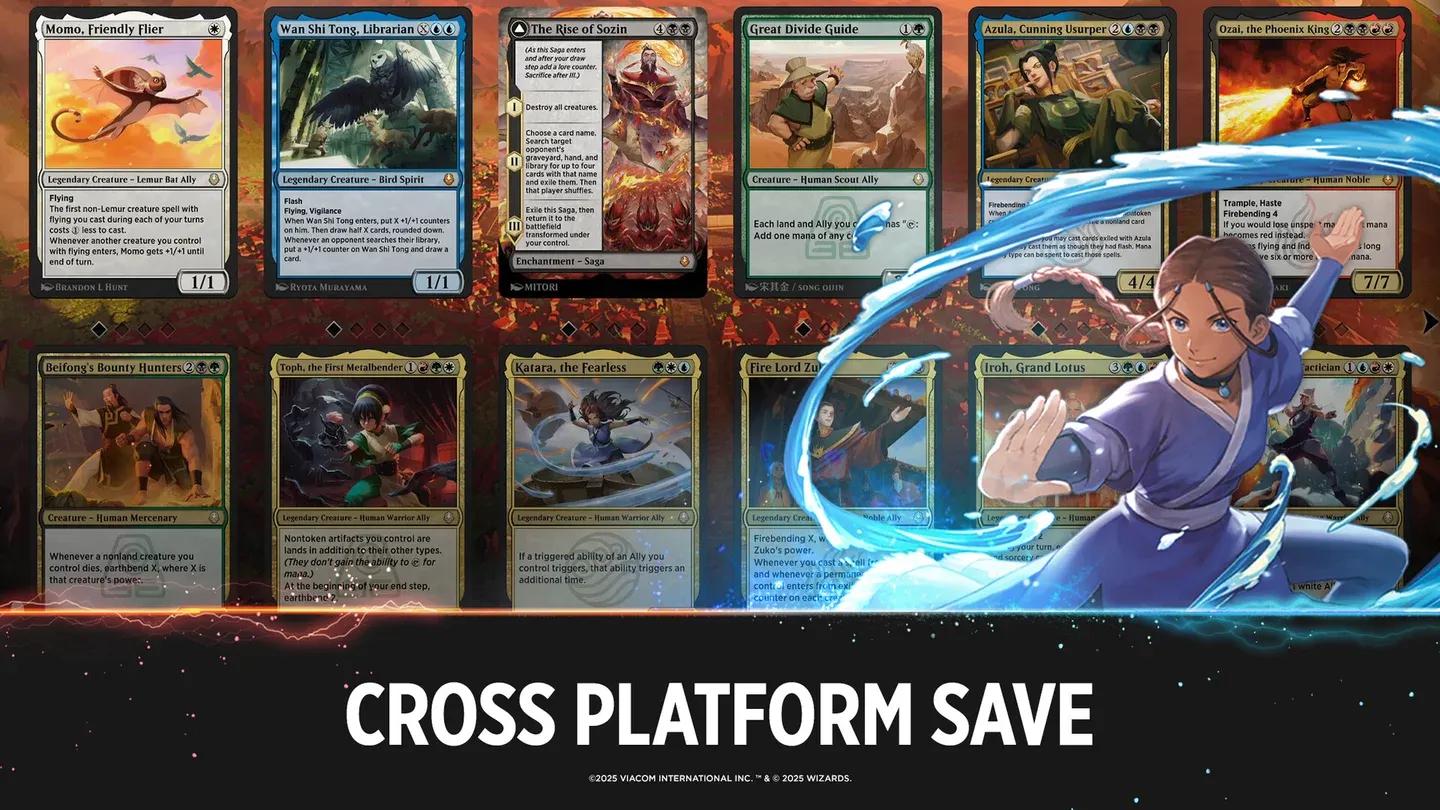
The game receives regular set releases that mirror the physical card game's release schedule. Each new set adds hundreds of cards to the pool, shifting the meta and opening new deck-building possibilities. The Final Fantasy crossover collaboration with Square Enix brought iconic characters like Cloud, Terra, and Sephiroth into the card game as playable pieces, marking one of the largest crossover sets in the game's history.
Gameplay and mechanics
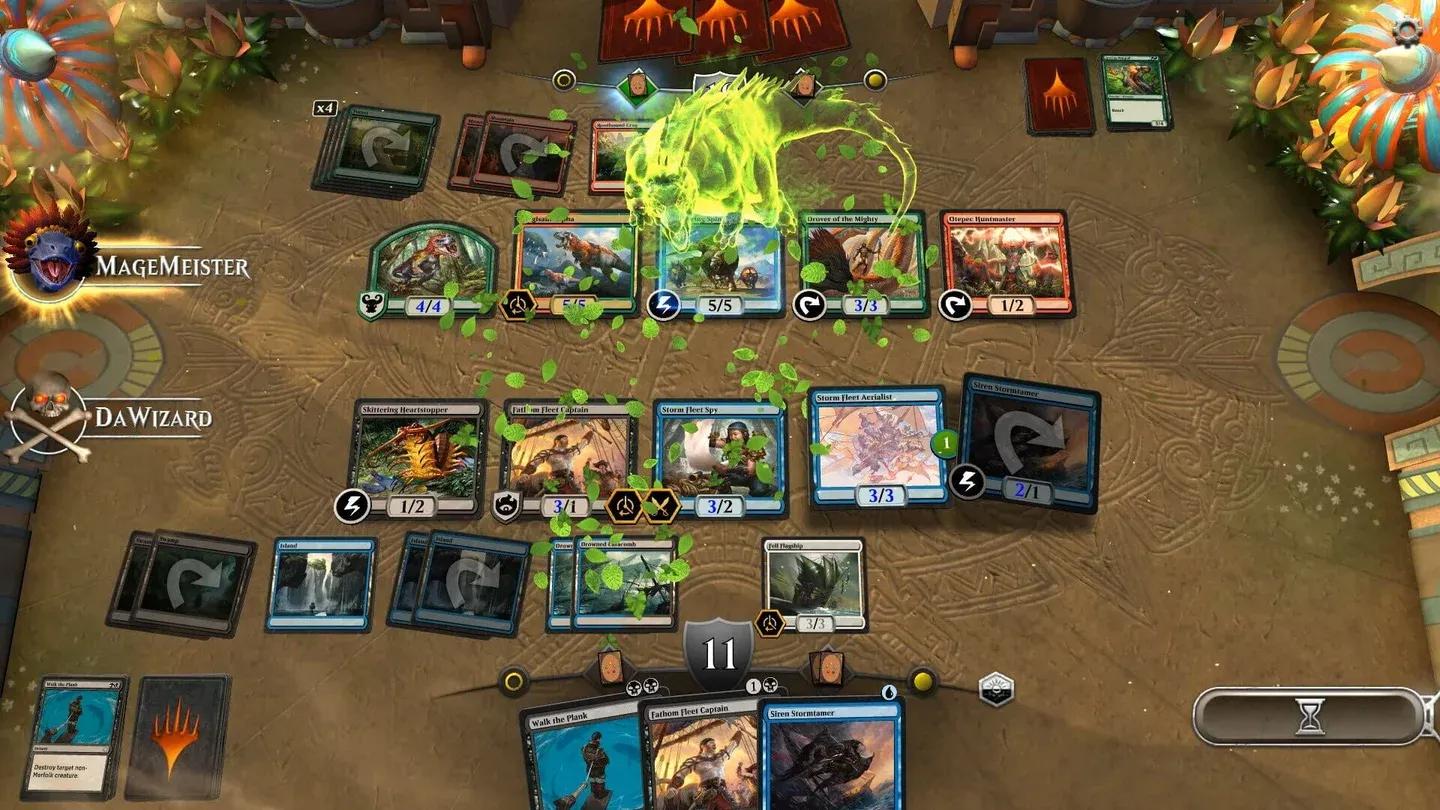
Arena's core loop centers on collecting cards, constructing decks, and battling opponents. The game handles all the rules enforcement automatically, which removes the friction that can make learning the physical game intimidating. Key mechanics include:
- Mana system governing spell costs
- Stack-based priority for instants and abilities
- Combat with blocking and first strike
- Planeswalker loyalty abilities
- Keyword abilities like flying, trample, and deathtouch
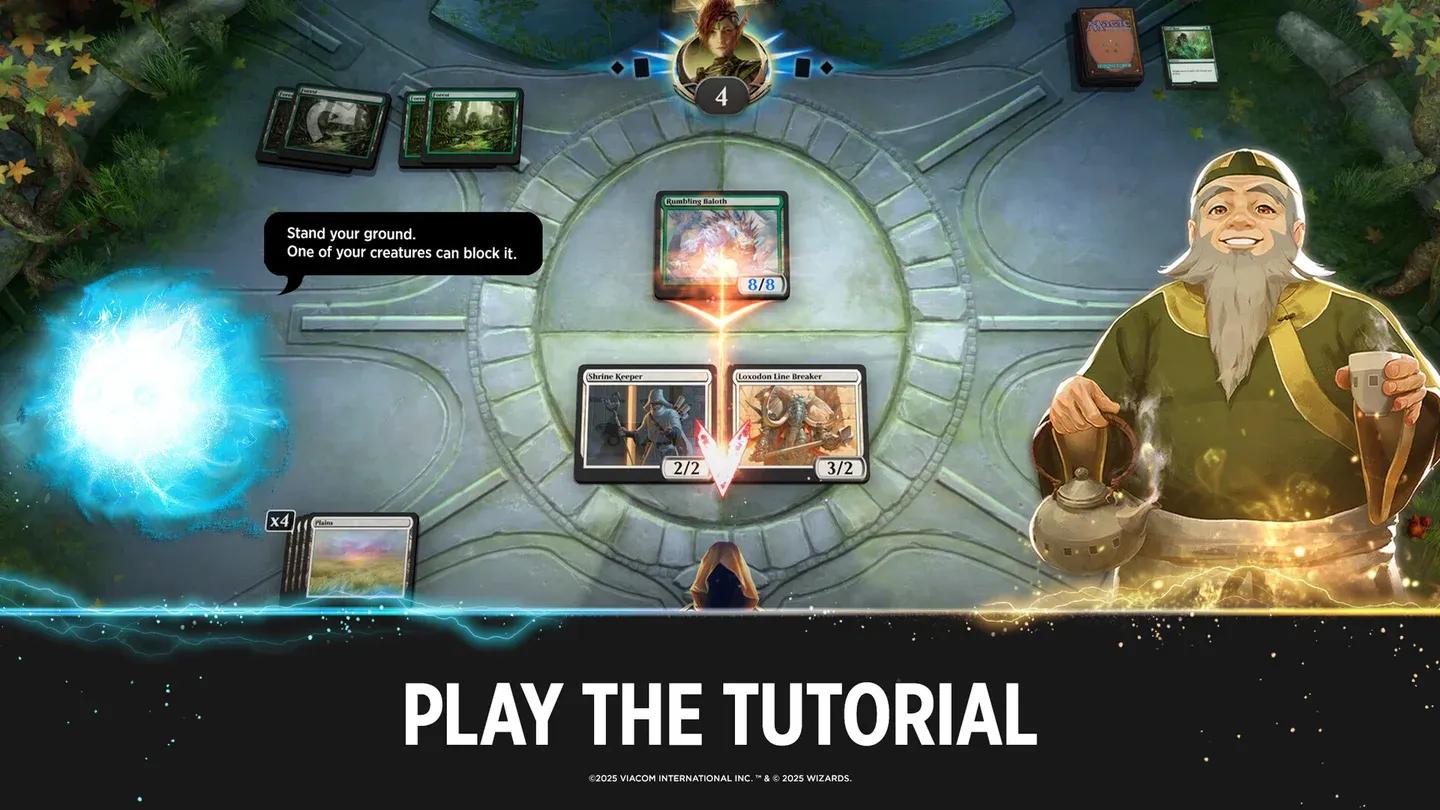
The tutorial walks new players through each concept step by step, using pre-built decks before opening up the full collection system. Experienced players can skip straight to ranked play or Draft.
What game formats does Arena offer?
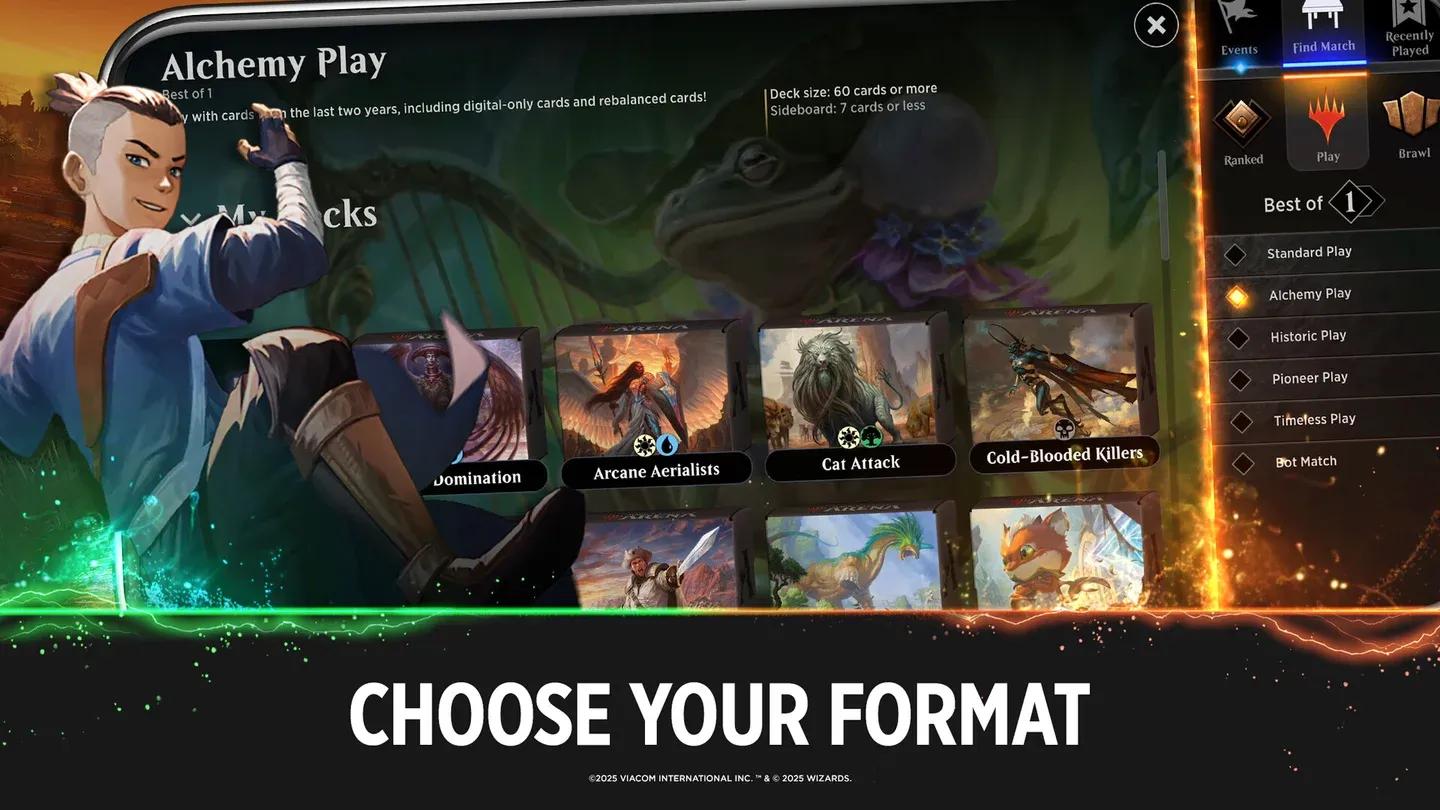
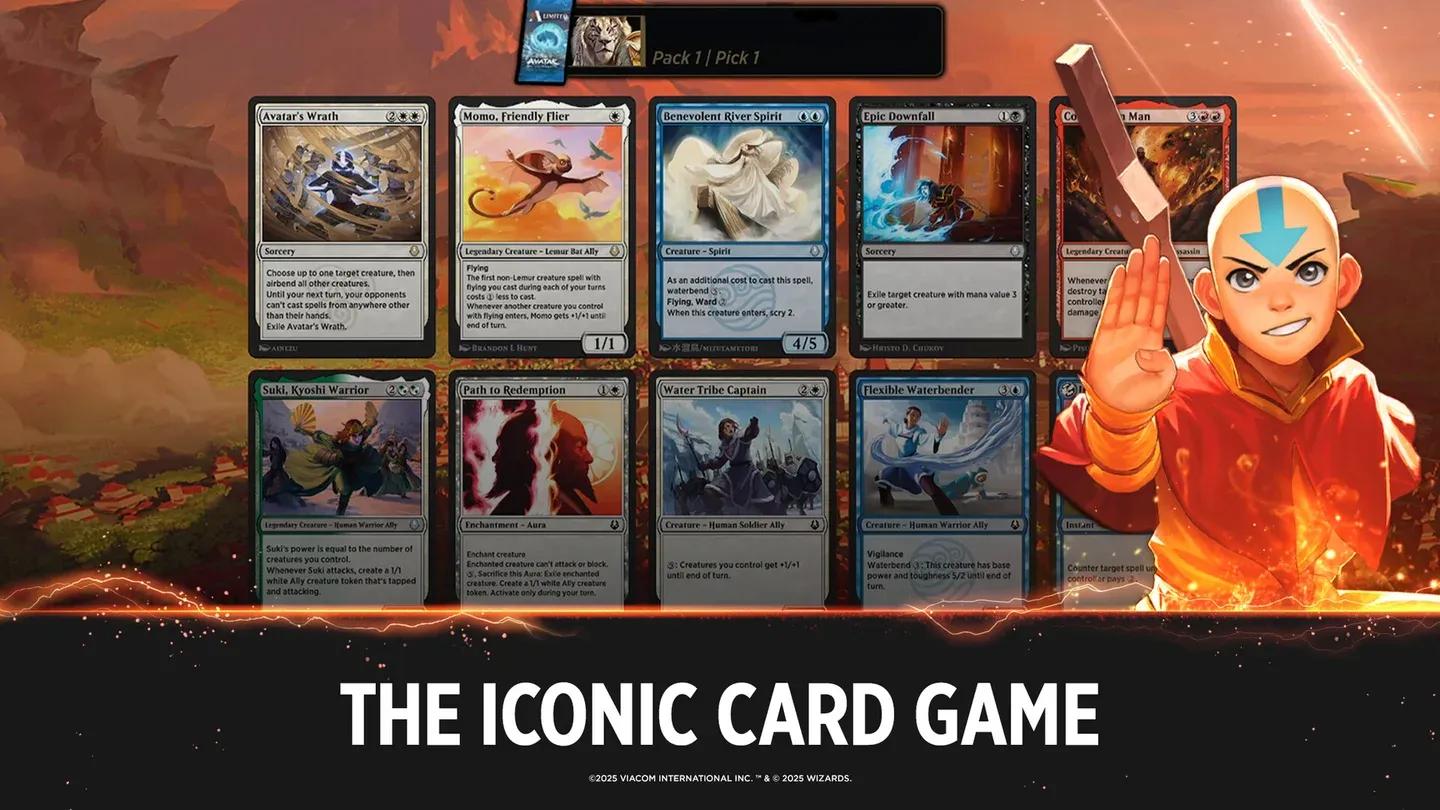
Arena supports several distinct formats, each with its own rules for which cards are legal and how matches are structured. Standard uses only the most recent card sets, keeping the format rotating and relatively accessible to newer players. Historic and Timeless open up much larger card pools for players who want access to older and more powerful cards. Draft puts players in a seat to pick cards from booster packs and build a deck on the fly, which is one of the most skill-testing and replayable ways to engage with the game. Brawl functions like a casual commander-style format with a legendary creature or planeswalker leading a singleton deck.
The Arena Premier Play League provides a competitive ladder for players chasing Mythic rank and esports qualifier spots. Special limited-time events regularly offer unique formats and cosmetic rewards outside the standard ranked structure.
Content and replayability
The daily reward system and weekly wins track hand out gold and card packs at a steady pace, giving free-to-play players a consistent path to building their collections without spending money. Wildcards, earned through pack openings, can be redeemed for any card of the matching rarity, which removes some of the randomness that typically defines digital card game economies.
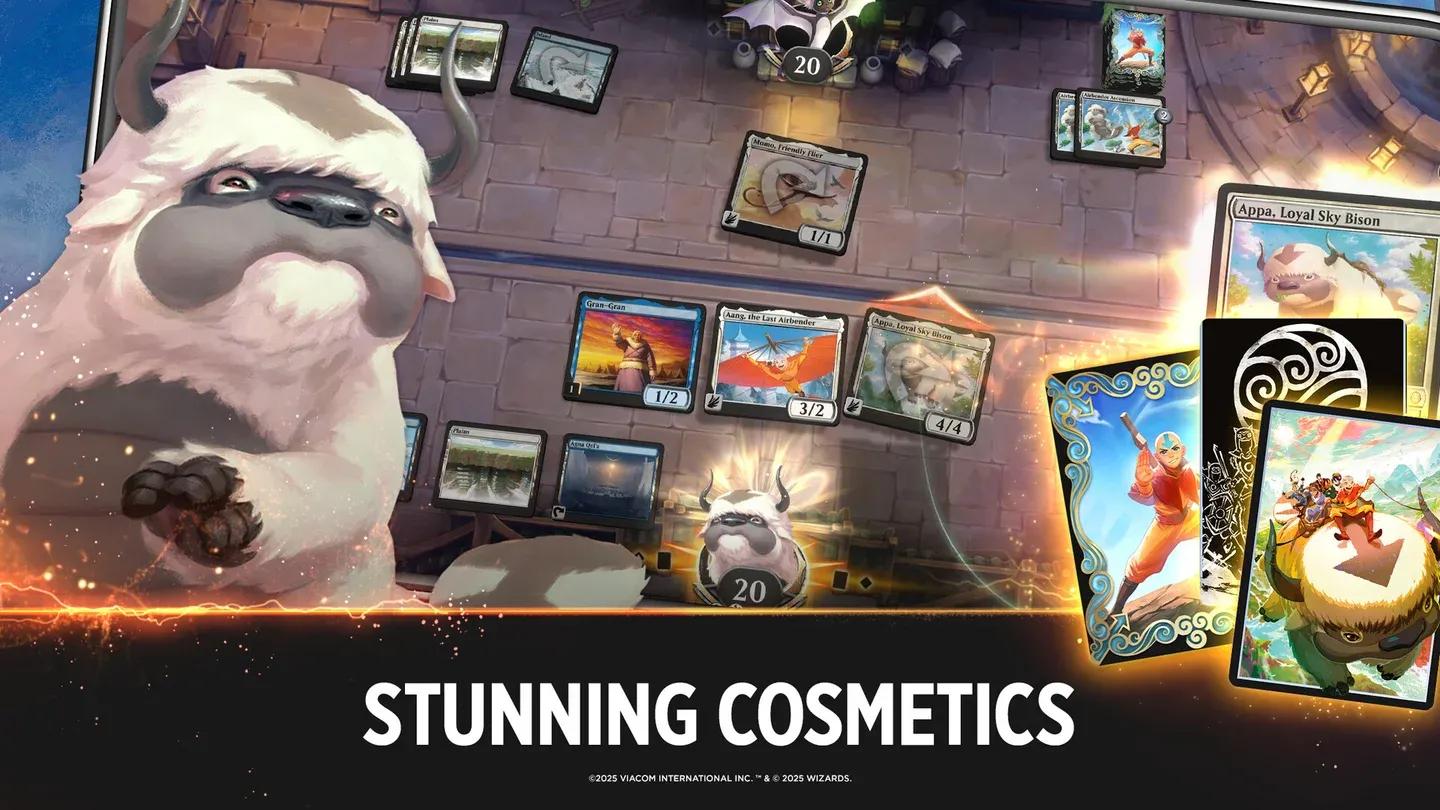
Cosmetics include card styles, alternate art treatments, animated card borders, avatars, card sleeves, and pets. None of these affect gameplay, but the visual variety adds personality to each match. With 15 starter decks available from the beginning and the full card pool growing with each set release, the volume of viable deck archetypes stays high enough that no single strategy dominates for long.
System Requirements
| Requirement | Minimum | Recommended |
|---|---|---|
| OS | - | Windows 10 |
| Processor | AMD Athlon 64 X2 Dual Core 5600+ or Equivalent | Intel Core2 Quad Q9300 @ 2.50GHz |
| Memory | 2 GB RAM | 4 GB RAM |
| Graphics | GeForce GTX 8800 or Equivalent | GeForce GTX 560 |
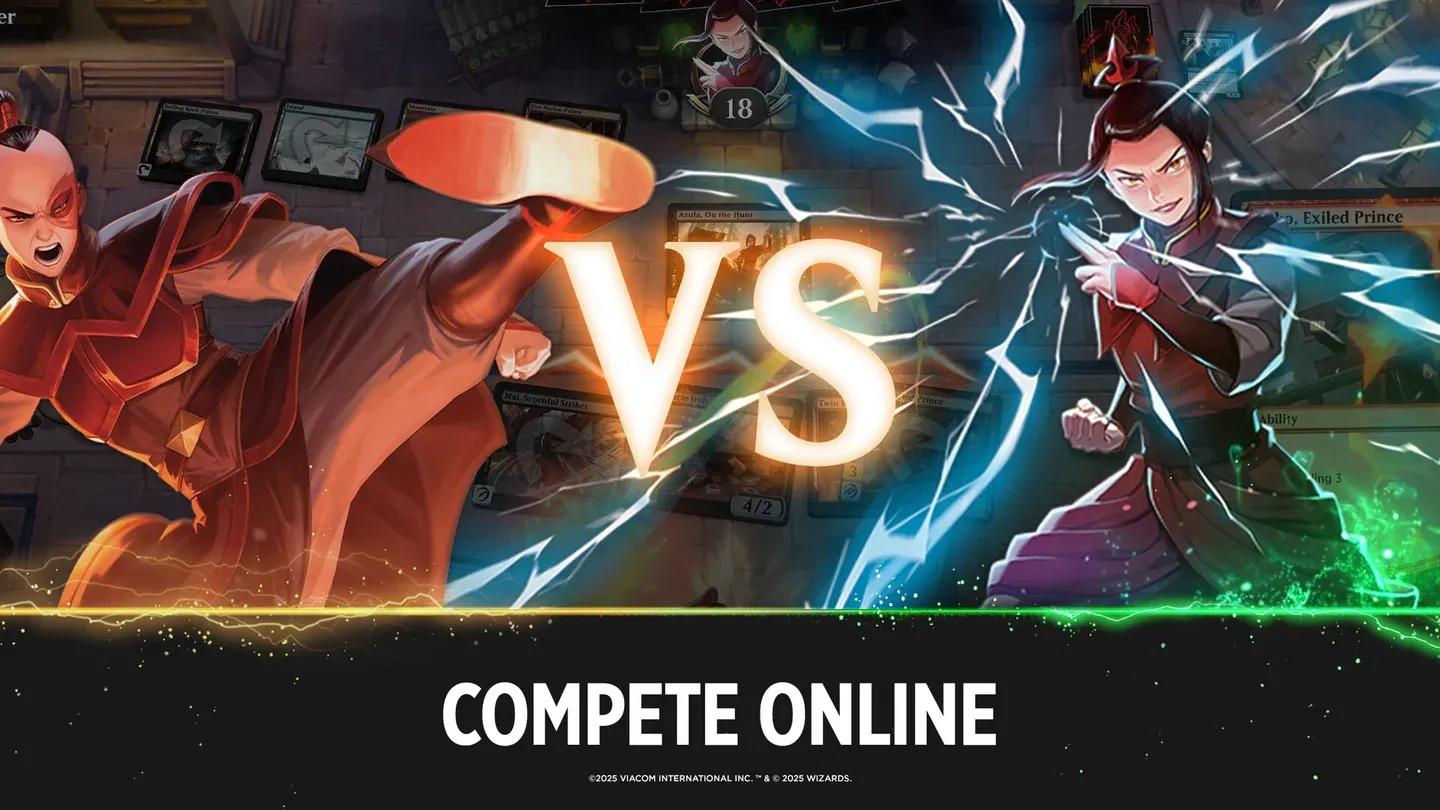
Multiplayer and competitive play
Arena's matchmaking connects players globally across all formats, so queue times stay short even in less popular modes. The ranked ladder runs seasonal resets, giving competitive players a recurring goal to chase. Friends can challenge each other directly using the direct challenge system, which supports custom format rules for more casual sessions. The combination of casual queues, ranked modes, draft pods, and esports qualifiers means Arena serves players across every level of investment, from someone playing a few games a week to someone grinding toward professional competition.