Advertisement

Overview
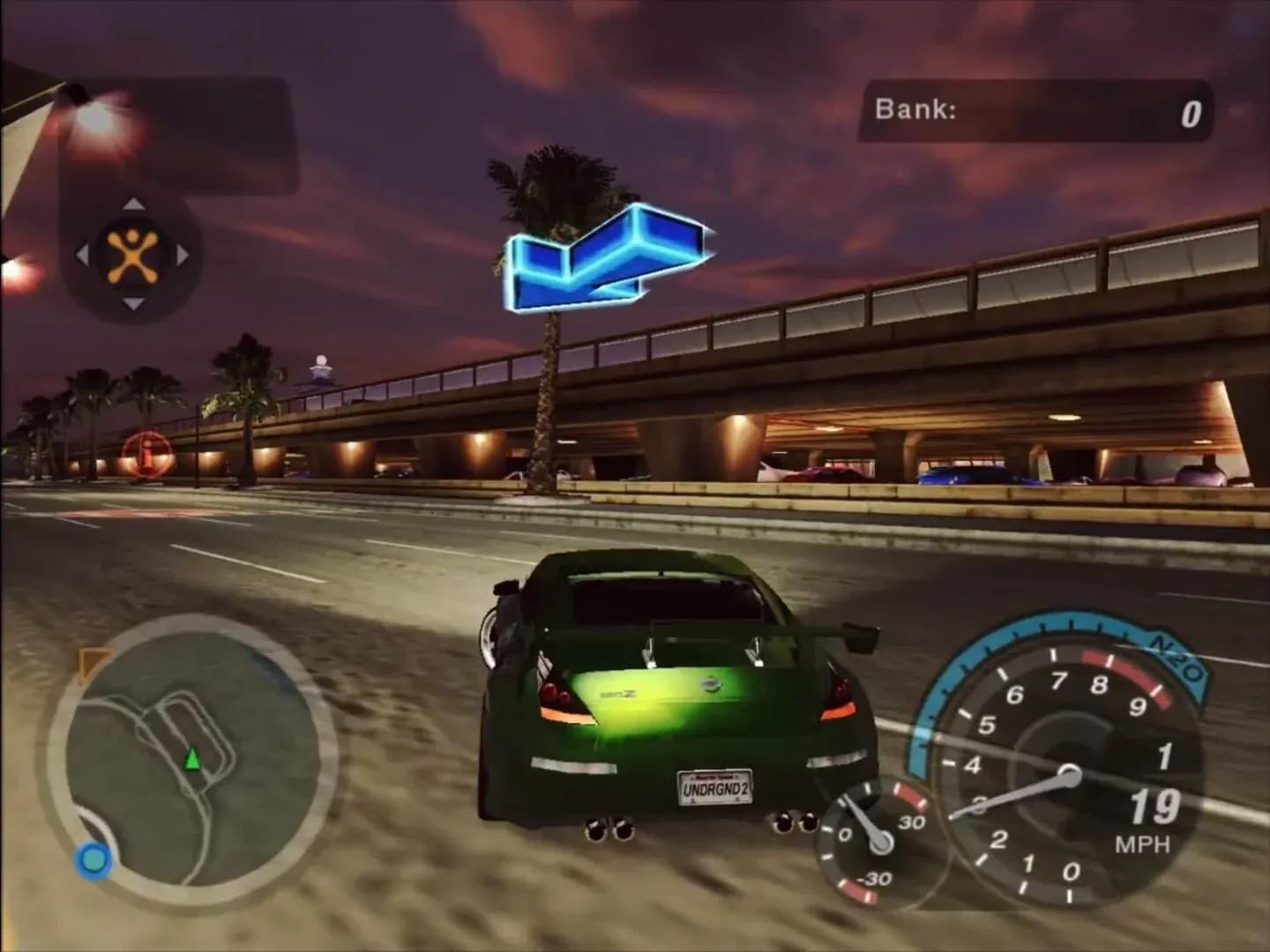
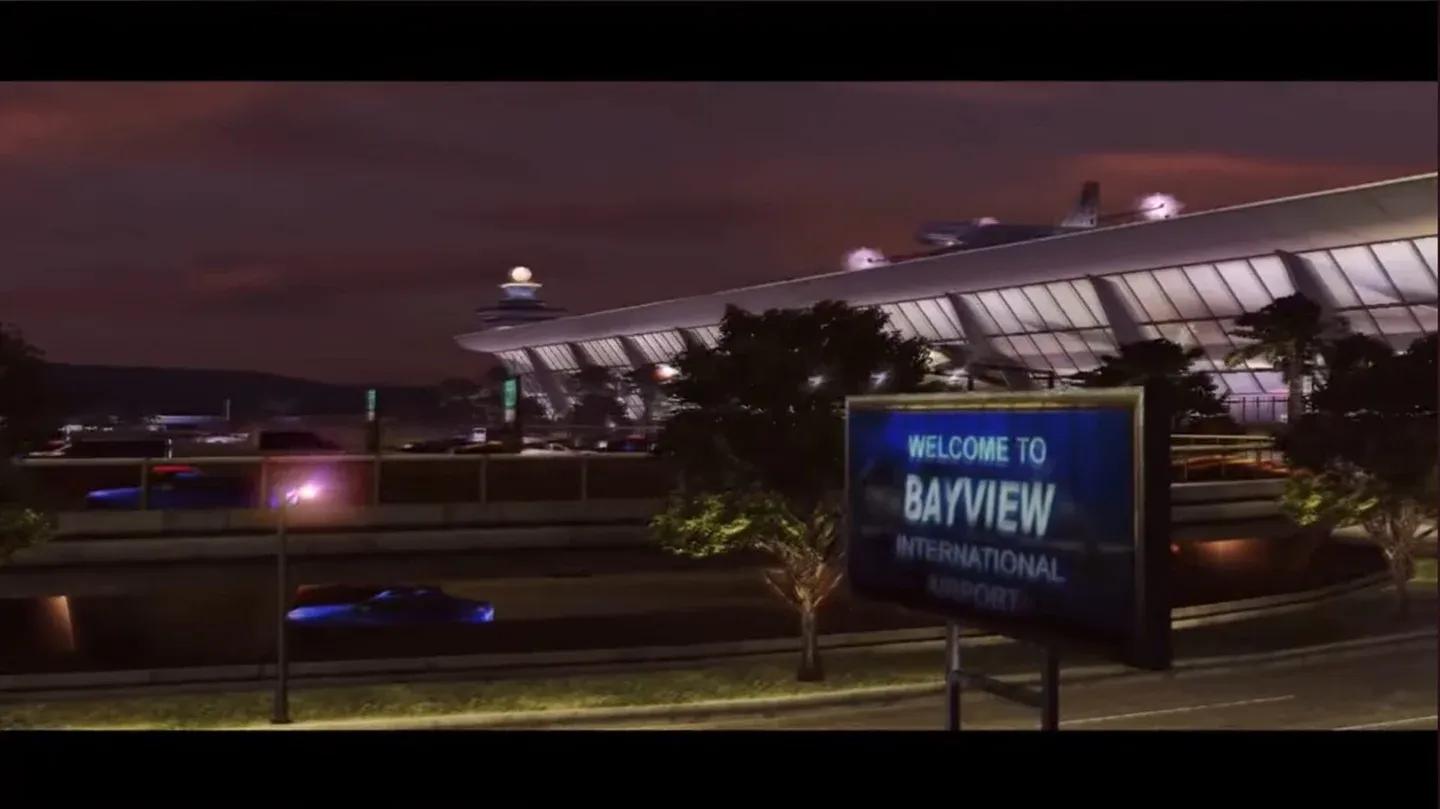
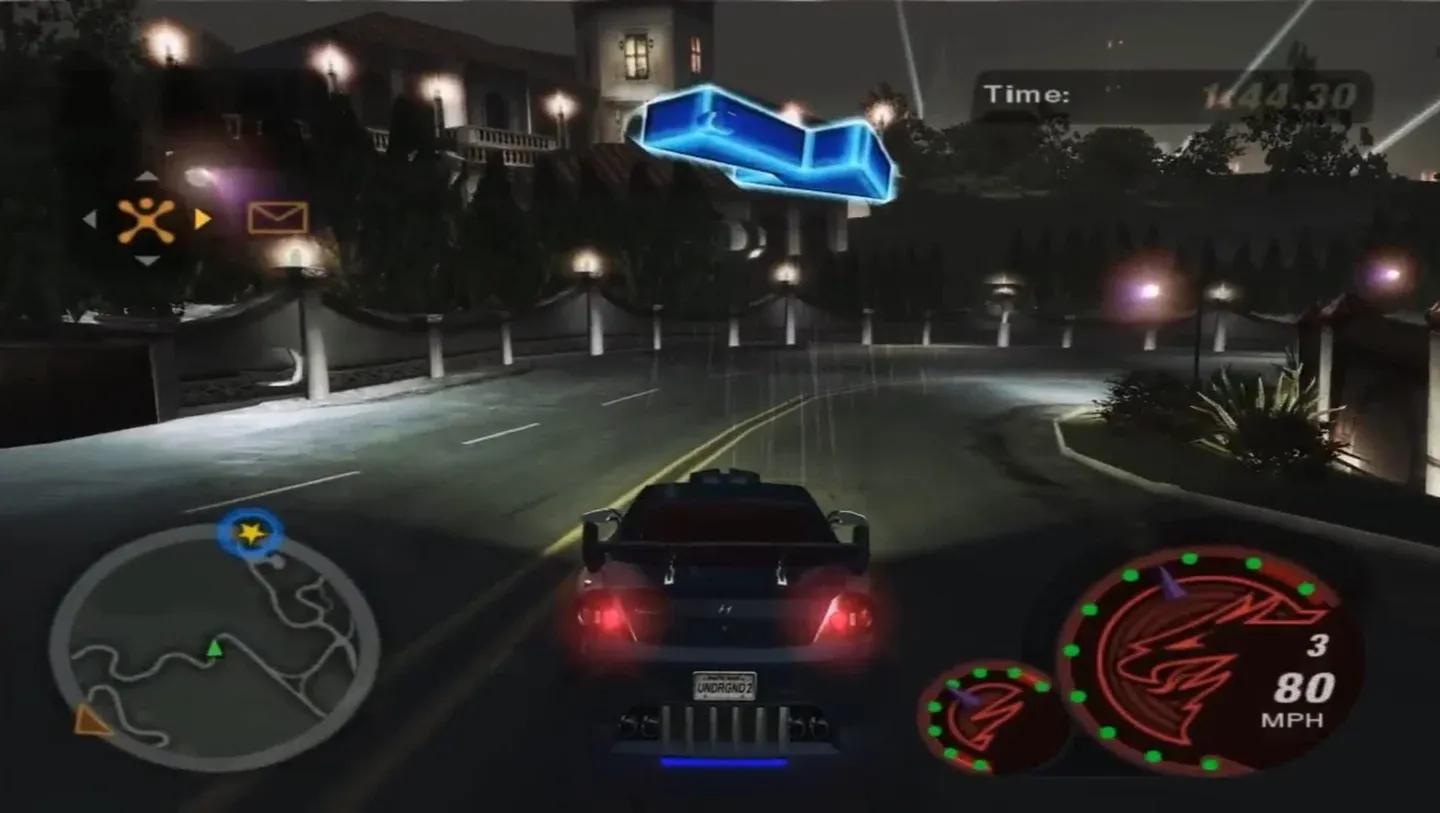
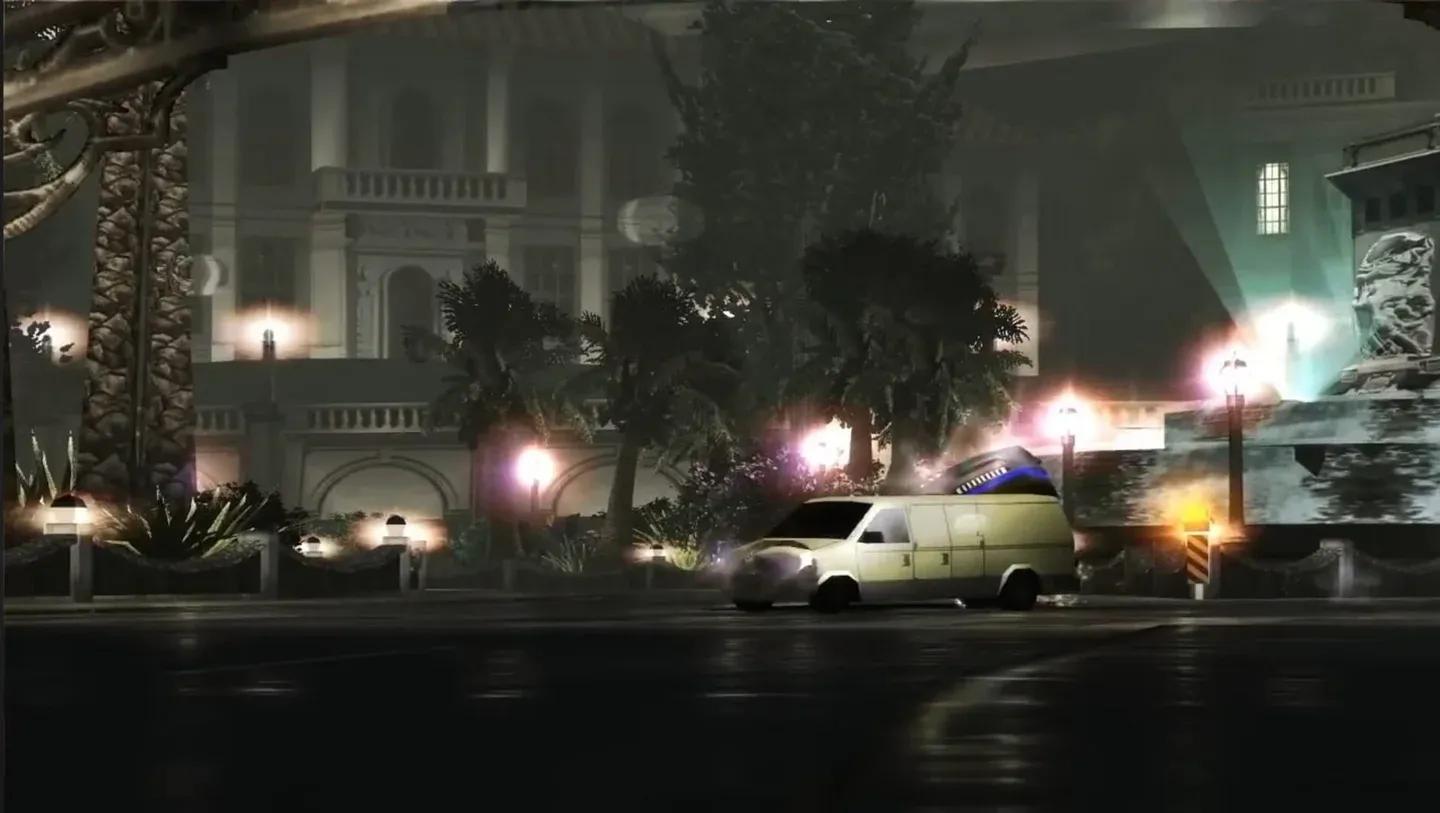
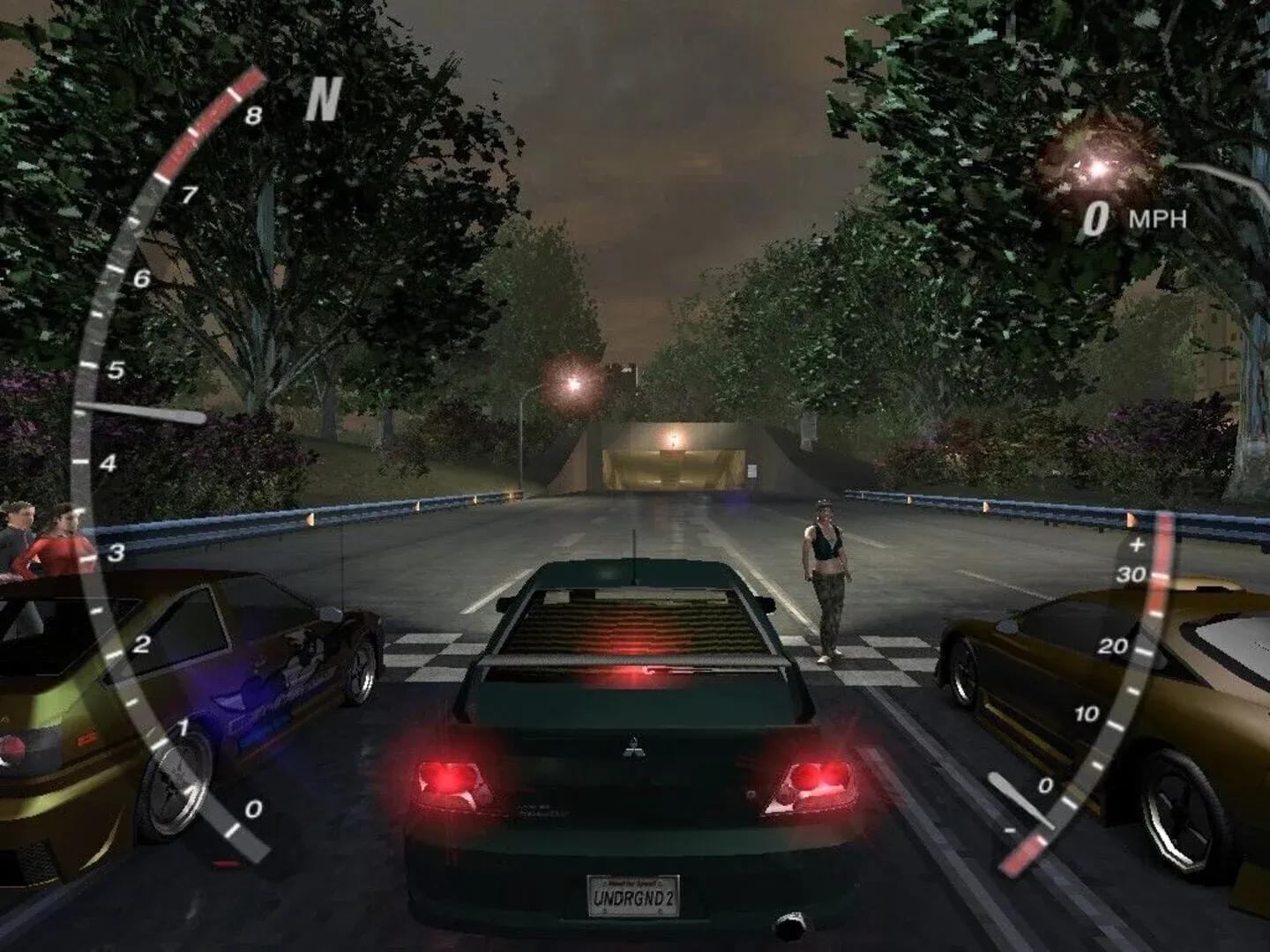
Need for Speed: Underground 2 arrived in November 2004 as the follow-up to the original Underground, and EA Black Box made one significant structural change that altered everything: the game ditched the menu-driven race selection and replaced it with a full open-world city. Bayview is a fictional urban sprawl divided into distinct districts, each hiding events, shops, and rivals. Players drive to races rather than selecting them from a list, and that shift in design philosophy turned a solid racing game into something that felt genuinely alive.
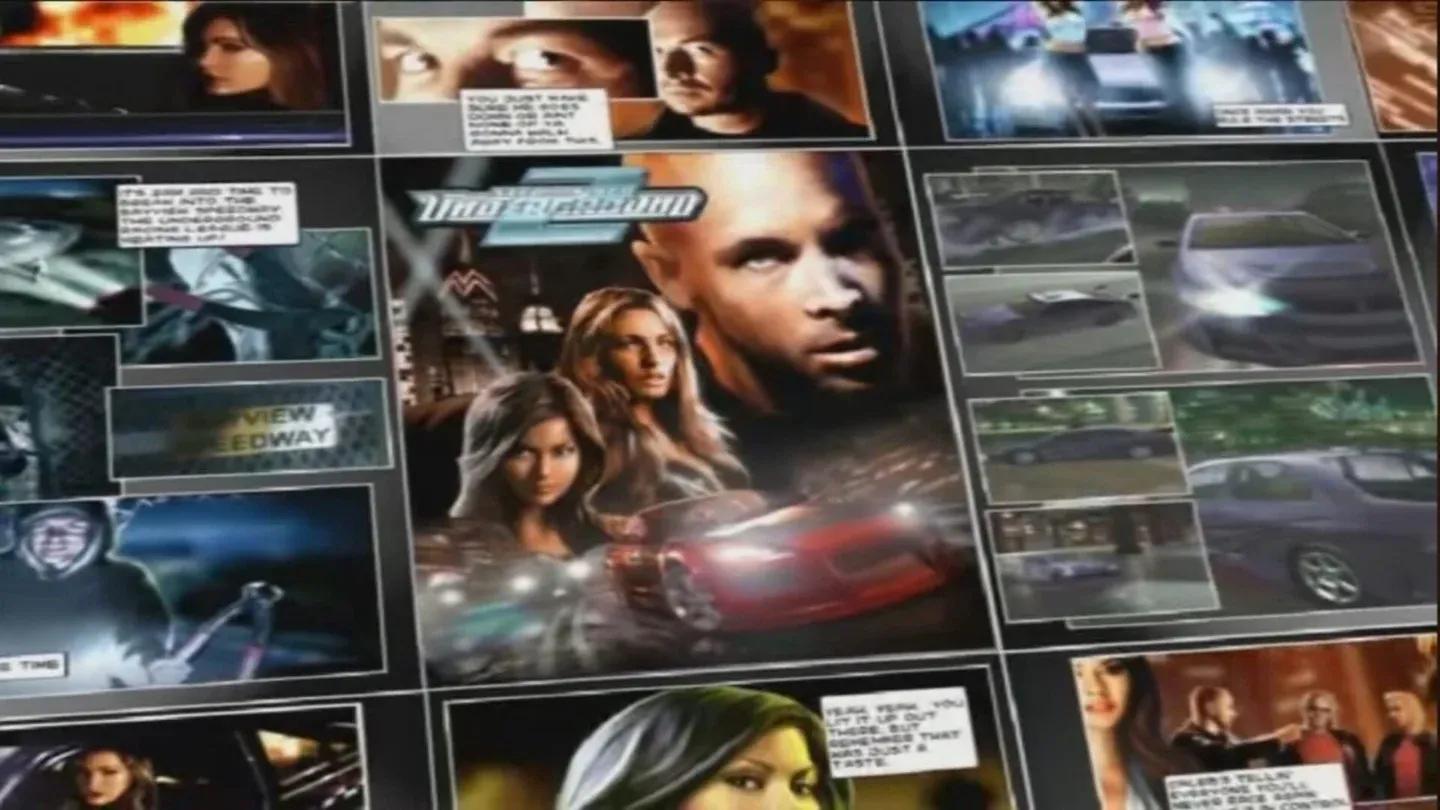
The story sets the stage efficiently. After being ambushed and losing everything in Olympic City, the player arrives in Bayview with nothing, guided by Rachel Teller, a contact who plugs them into the local underground scene. The real antagonist is Caleb Reece, leader of a crew called The Wraiths, who controls Bayview's racing scene by manipulating sponsorship deals. He turns out to be the same person responsible for the original attack. The revenge arc is straightforward but gives the progression real momentum.
Need for Speed: Underground 2 content image
Gameplay and mechanics
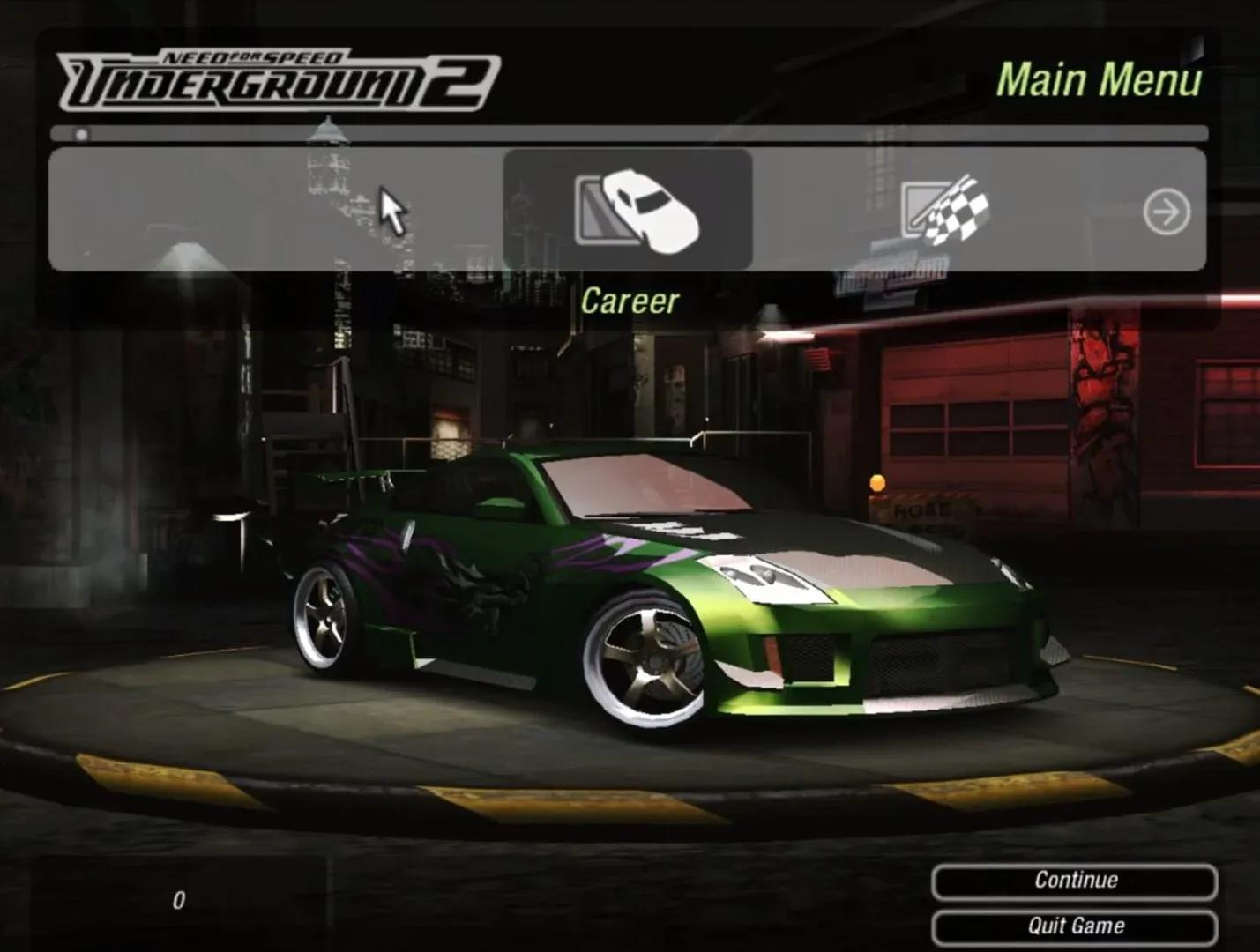
Underground 2 packs five core race types into Bayview's streets, each demanding a different approach:
Need for Speed: Underground 2 content image
- Circuit: multi-lap closed-course racing
- Sprint: point-to-point runs across the city
- Drift: score-based corner chaining
- Drag: straight-line timing and gear management
- Street X: short, tight tracks mixing drift and circuit rules
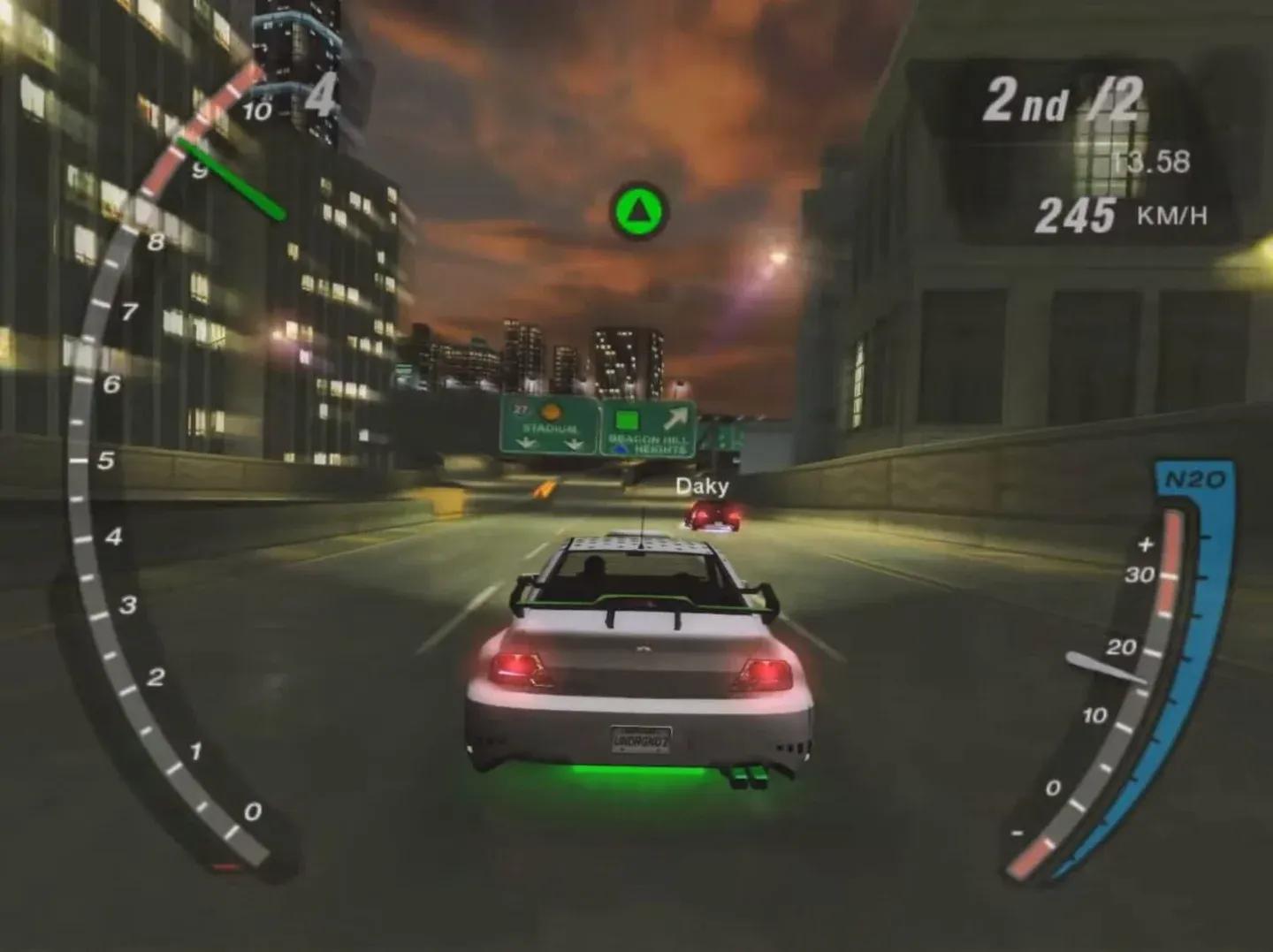
Outrun challenges send players after specific rivals spotted on the open road, while Underground Racing League tournaments act as high-stakes gauntlets. The variety keeps the progression from going stale, and unlocking new districts by completing enough events in the current one gives the open world a sense of structure without feeling restrictive.
Need for Speed: Underground 2 content image
What does the car customization system offer?
The customization system is where Underground 2 built its reputation. Every car supports visual and performance upgrades across multiple tiers, ranging from basic bolt-ons to top-tier hardware that fundamentally changes how a car handles. Body kits, spoilers, hoods, side skirts, window tints, neon, and hydraulics give players enough options to spend hours in the garage before touching the track. Performance upgrades cover engines, turbos, suspension, brakes, and tires, with each tier visibly impacting lap times and handling feel.
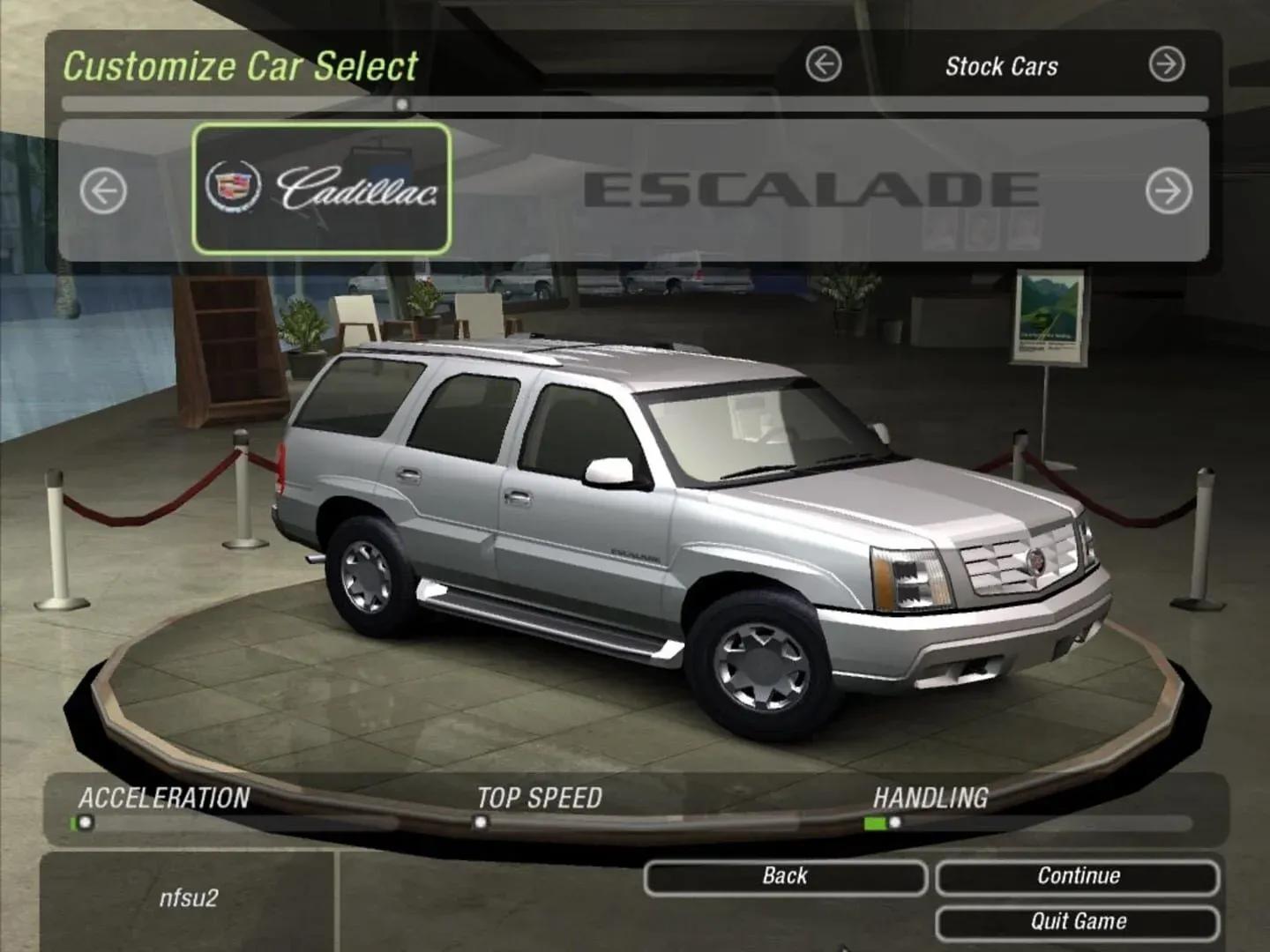
SUVs joined the tuner car roster for the first time in the series, a polarizing addition that expanded the garage beyond the expected Japanese imports and European hot hatches. The sponsorship system tied customization to progression, with sponsors offering bonuses for completing specific visual requirements on a car, which pushed players to engage with parts they might otherwise ignore.
Need for Speed: Underground 2 content image
Visual and audio design
For a 2004 release, Underground 2 holds up remarkably well in terms of atmosphere. Bayview at night, soaked in neon and wet pavement reflections, captured the aesthetic of early 2000s tuner culture with precision. The soundtrack leaned heavily on hip-hop and rock, featuring tracks from artists including Missy Elliott, Rob Zombie, and Chingy, and the licensed music became as much a part of the game's identity as the cars themselves.
Impact and legacy
Underground 2 sits at the center of a specific moment in gaming history when tuner culture, open-world design, and deep car customization converged in a single package. The open-world street racing format it pioneered influenced the direction of the NFS series for years afterward and set a template that competing franchises attempted to follow. The game's combination of Bayview's explorable city, its layered upgrade system, and its variety of race types represents the peak of what EA Black Box built during the Underground era.