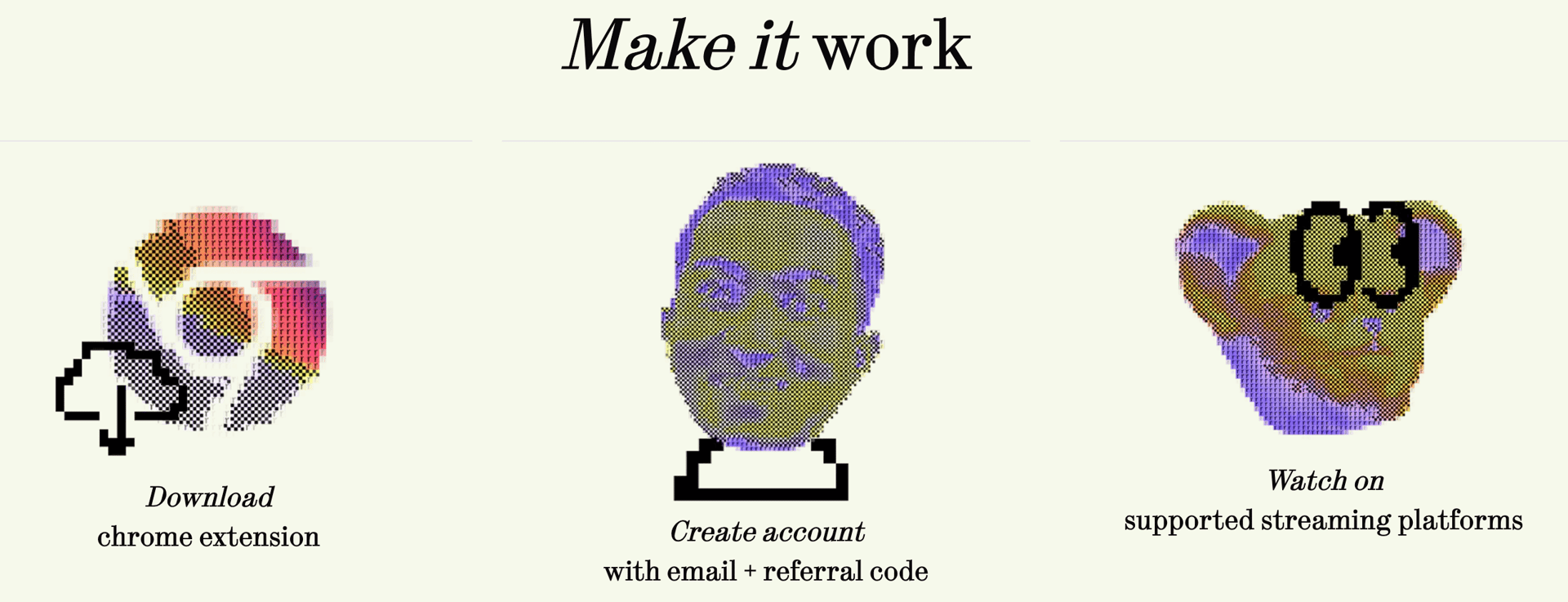
Rumi, an artificial intelligence media startup, has raised $4.7 million in a pre-seed funding round to support its mission of converting passive media consumption into interactive, AI-powered experiences. The round was co-led by A16z crypto CSX and EV3, reflecting early investor confidence in Rumi's approach to building a decentralized AI infrastructure for media. The company has launched an invite-only beta version of its app, which allows users to engage with media content in real time and earn rewards for their participation.

AI Startup Rumi Raises Over $4 Million
AI Startup Raises $4.7 Million
Users spend over five hours daily consuming digital content. Rumi wants to transform that experience from passive viewing into active participation. The app lets users talk directly with on-screen characters, get instant fact-checking during live shows, and identify actors or clothing items in real time. AI agents trained to interpret video context power these features.
The system relies on users contributing spare computing resources to index video data. This helps the AI build a deeper understanding of narratives, character dynamics, and cultural references. Users earn passive income through this "watch-to-earn" model. CEO Niko Cunningham explained that meaningful storytelling enhancements require AI to develop a sophisticated grasp of global content and culture, which Rumi's infrastructure is designed to enable.

Get 1-month GTA+ subscription with pre-order.
Pre-Order GTA 6 Now
Decentralized AI Infrastructure and Data Privacy
Rumi operates a decentralized blockchain network where indexers analyze video content and feed data to AI agents. This structure enables real-time personalization like contextual overlays and interactive recommendations while maintaining user privacy and respecting content rights. The company doesn't store or redistribute copyrighted material. Its decentralized protocol transcribes and summarizes content, exposing only metadata through APIs to external agents.
The technology aligns with fair use legal precedents. Cases like Authors Guild v. Google and TVEyes v. Fox established that transforming content for indexing or search purposes can qualify as fair use. Rumi doesn't publicly release transcriptions. Content summaries become accessible only when approved AI agents request them.

AI Startup Rumi Raises Over $4 Million
Business Model and Early Partnerships
Revenue comes from API licensing and data services. Rumi provides contextual awareness to AI agents, allowing them to deliver services like conversational ads and product recommendations embedded within media experiences. During a cooking show, an agent could suggest recipe cards or link to ingredients shown on screen.
The company is building what it calls a "decentralized Nielsen" for real-time analytics and audience insights. Early partners include Virtuals.io, which uses Rumi's APIs for contextual interactivity, plus TVision and Story Protocol, which leverage the data for media analysis and audience tracking. These collaborations signal demand for granular media engagement data to refine content delivery and viewer experience.
AI Startup Rumi Raises Over $4 Million
Media Contextualization Through AI Models
Where other decentralized platforms like Bittensor, Akash, or Render focus on compute resource sharing, Rumi zeroes in on video content comprehension. The company has built proprietary deep learning models that parse narrative structure, character relationships, and cultural context from video. This capability matters for next-generation AI that needs to engage with stories and cultural elements driving human media consumption, not just process text documents.
The infrastructure handles both on-demand and live content, including sports broadcasts. Future plans include a direct-to-consumer app functioning as an AI-powered remote control and media companion. Users would interact with content in real time, creating deeper engagement and new revenue streams for creators and advertisers.
Monetization for Creators and Advertisers
Data on viewer interactions helps media companies and creators identify what resonates with audiences. This insight can sharpen storytelling and guide production decisions. Advertisers gain the ability to serve personalized, context-aware ads that fit naturally into AI agent conversations rather than interrupting the viewing flow.
User data contributions are voluntary and protected under privacy policies. Participants receive rewards for their involvement, appealing to users familiar with web3 principles, particularly those accustomed to sharing bandwidth or compute power for tokens or other compensation.
AI Startup Rumi Raises Over $4 Million
Why the Timing Favors Rumi's Vision
Demand for interactive, personalized, and immersive media experiences is climbing. Second-screen usage, especially among younger viewers, reflects a shift toward multitasking and real-time engagement while watching content. Industry research shows Gen Z viewers frequently use phones while watching TV or playing games, highlighting appetite for more connected entertainment.
Consumer-facing AI agents are gaining momentum, with entertainment likely the first area of mass adoption. Rumi's technology addresses this moment by equipping AI agents to enhance media in contextual, relevant, and personalized ways.
As the company builds out its infrastructure and expands the beta program, Rumi is positioning itself as a central player where AI, media, and decentralized networks converge. Early users can join the beta and help build what Rumi calls the first intelligent, user-powered media ecosystem by visiting rumilabs.io.