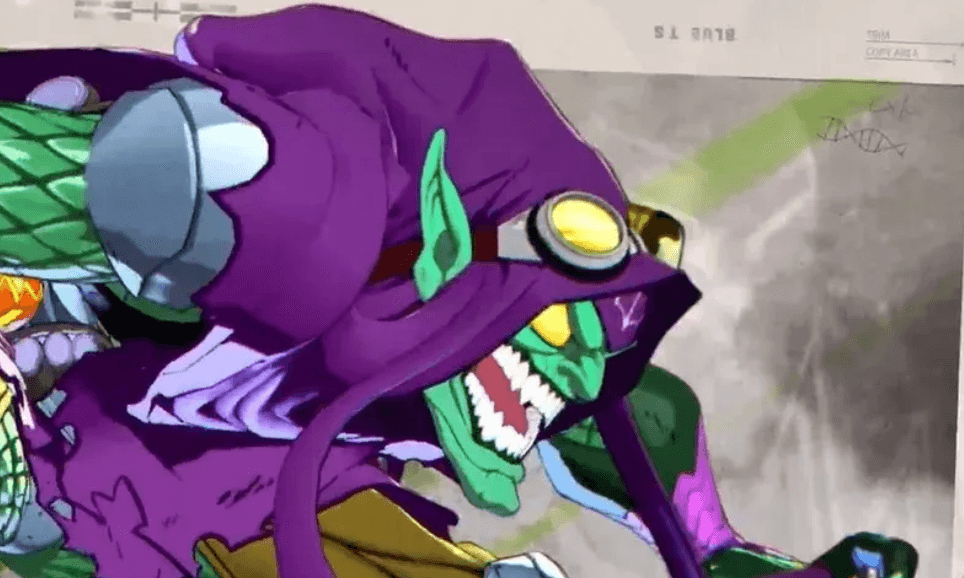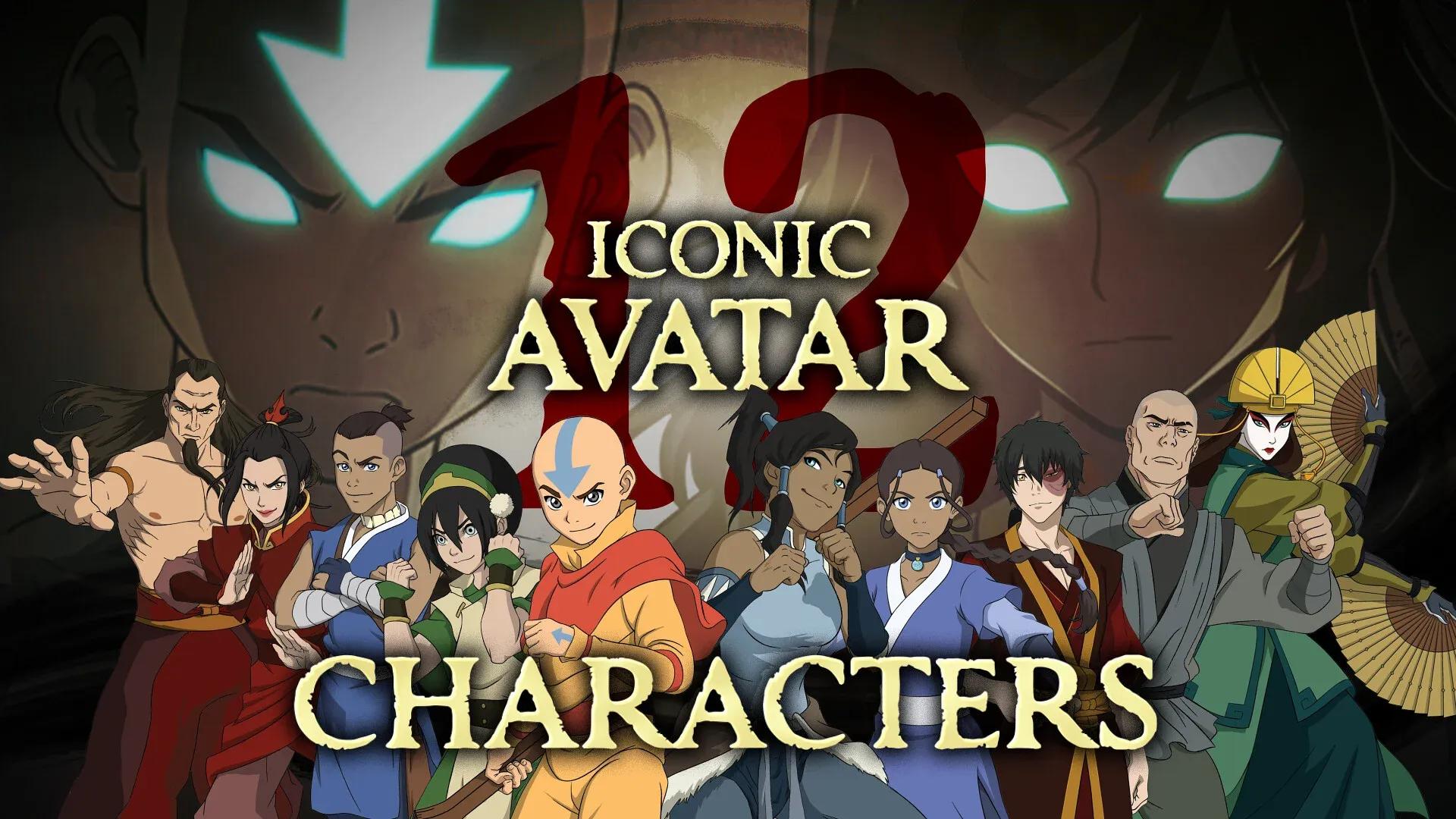

Avatar Legends: The Fighting Game arrived on July 22, 2026 with one of the most visually striking presentations in recent fighting games memory. Hand-drawn animation, a roster packed with recognizable faces from both the Avatar and Korra eras, and bespoke character mechanics that reward mastery. The bones here are genuinely excellent.
Here's the thing, though: all of that promise runs headfirst into one of the most unwelcoming onboarding experiences a fighting game has shipped with in years.
What the game gets right
When Avatar Legends clicks, it really clicks. Each character's moveset reflects their personality and bending style in ways that go well beyond surface-level fan service. Aang plays with evasive, fluid movement that mirrors his airbending philosophy. Korra hits harder and more directly. The animations are sublime across the board, and watching a high-level exchange play out feels like a scene straight out of the show.
At $30, the price point signals this is a budget release, but the fighting system itself punches well above that tier. The variety in the roster and the depth of each character's kit suggest a development team that genuinely understands what makes a fighter worth learning.
Where new players hit a wall
The problem starts the moment you try to actually learn the game. Avatar Legends drops players into its story campaign and arcade modes against opponents already pulling off complex combo strings and tech that most newcomers won't recognize, let alone know how to counter. There are no difficulty options. None. You cannot set your own pace.
The in-game tutorials and trials do exist, but they open with complex character-specific combos rather than walking anyone through fundamentals first. There is a glossary of terms covering the game's systems, but reading a definition is not the same as seeing a mechanic demonstrated. For anyone who hasn't spent time in the FGC already, that glossary is more confusing than helpful.
The frustration here is specific. This is an Avatar game, which means a meaningful portion of its potential audience are fans of the animated series who may not have deep fighting game experience. A $30 price point reinforces that expectation of accessibility. The game currently does not deliver on it.
The gap between spectator and participant
What most players miss in early impressions is how wide the gap is between watching Avatar Legends and playing it. As a spectator sport, even in casual lobbies, the game looks exceptional. The elemental effects, the character animations, the way each hit carries weight, it all reads beautifully.
Actually getting to that level of play without adequate teaching tools is a different experience entirely. The game feels, at points, like it was designed by people who watched every system develop over months of internal testing and forgot what it felt like to see any of it for the first time.
The presentation has budget-tier moments too, particularly in menus and some transitional screens, which makes the contrast with the in-match animation even sharper. The fighting engine is clearly the priority, and it shows.
What needs to change
A post-launch patch adding difficulty options and a proper beginner tutorial path would go a long way. The foundation is strong enough that accessibility improvements would not dilute the game for experienced players. They would just open the door to the audience that was always going to be the largest part of Avatar Legends' player base: people who love the IP and want to play a good game, not people who already have 2,000 hours in other fighters.
The key here is that the fighting system itself is not the issue. The issue is that the game has not yet figured out how to let most people experience it properly.
If you want to track how the community is building out resources as the meta develops, the Fight Legends page is worth bookmarking. For players working through the learning curve right now, the Fight Legends guides are building out strategy content that fills some of the gaps the in-game tutorials leave behind.