

Sony's announcement that PlayStation discs will stop being manufactured in 2028 set off a wave of backlash that hasn't really died down. Physical media fans have been loud, organized, and genuinely passionate about their case. Then Capcom dropped its Q1 fiscal year financial results, and the numbers did not help that argument.
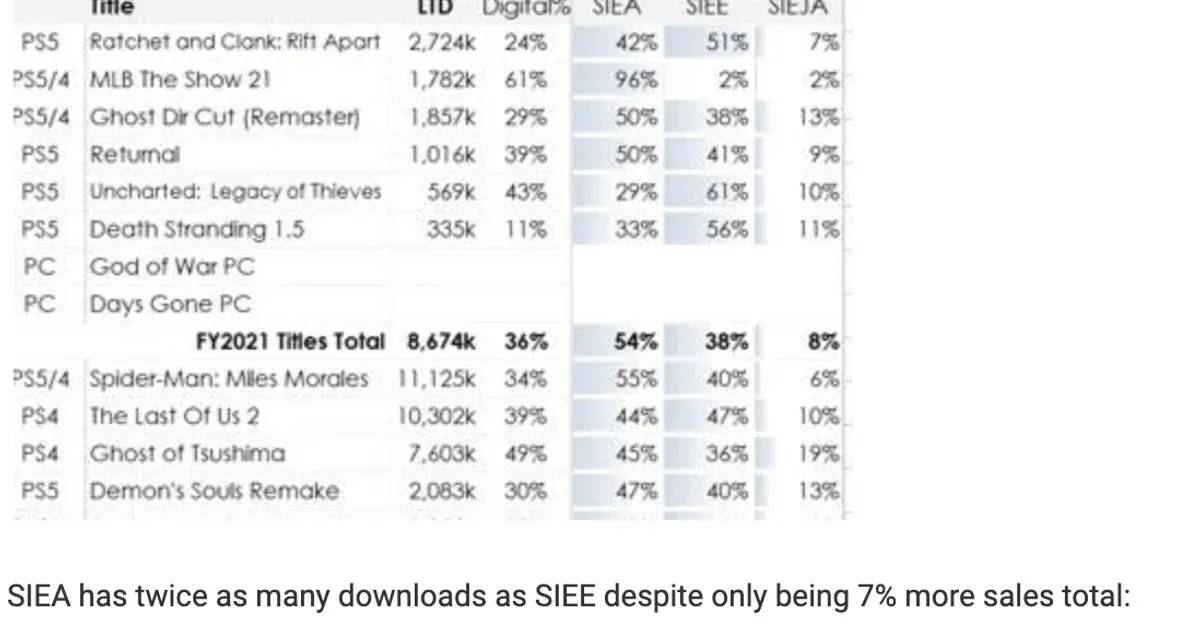
93.3% of all Capcom game sales in Q1 were digital. Physical accounted for just 6.7%. That gap is enormous by any measure, and it lands at a moment when the entire industry is already debating whether discs have a future.

Use code TRYHARD33 at checkout to redeem this offer before code expires again.
Get 33% Off GAMES+ Subscription
The number that needs context before you panic
Here's the thing, though: that 6.7% figure is not the complete picture, and treating it as a clean verdict misses something important buried in the same report.
60.4% of Capcom's total Q1 sales came from PC. The remaining 32.9% were on consoles. PC gaming has been effectively all-digital for years, so stacking those sales into the same total as console sales naturally compresses the physical percentage into the floor. Once you isolate console sales only, physical copies represent roughly 20% of that slice, or about 1 in every 5 console units sold.
That reframing does not make physical media's position comfortable. But it does change the story from "discs are basically dead" to "discs are a meaningful minority on console, and a non-factor on PC." Those are different conversations.
What Capcom actually released physically this year
Capcom has had a packed 2026 release schedule. Resident Evil Requiem, Monster Hunter Stories 3, and Pragmata all launched in the first half of the year, giving the publisher a real volume of new titles to draw physical sales from. Even with that slate, physical copies were hard to find at launch. Both Resident Evil Requiem and Pragmata sold out at physical retail and required reprints before supply stabilized.
Selling out is not the signature of a product nobody wants. If you are curious about what Pragmata's install footprint actually looks like heading into that release window, the Pragmata game size and preload date guide breaks down exactly what PS5 and PC players needed to prepare for.
The physical shortage situation also matters for reading these numbers honestly. Limited print runs constrain sales volume by definition. A game that sells out every copy pressed is not evidence that demand is low.
Why publishers and Sony see the same data differently than players do
From a pure margin standpoint, the business case for digital is hard to argue against. Publishers typically receive around 70% of a digital sale through platform storefronts. Physical distribution involves manufacturing, shipping, retail wholesale pricing, and potential buybacks, all of which eat into that margin before a single copy reaches a player.
Sony's decision to stop disc manufacturing in 2028 fits neatly into that logic. The company is not wrong that most of its users buy digitally. The frustration from physical media advocates is not really about disputing the data. The key here is that the argument was never purely about sales volume. It has always been about ownership, resale rights, price competition, and what disappears for consumers when a physical market stops existing entirely.
Those concerns do not show up in a quarterly earnings report. They show up later, when PSN becomes the only place to buy a PlayStation game and there is no retail competitor to undercut its pricing.
The PC number hiding inside the headline
One detail from Capcom's Q1 results that got less attention than the physical split: PC accounted for more than double the revenue of all console platforms combined. That is a separate conversation worth having about where the publisher's commercial center of gravity actually sits right now, and it has implications for how much Sony's platform decisions even register on Capcom's balance sheet.
For players planning purchases on upcoming Capcom titles, the Marvel Tokon: Fighting Souls editions and prices guide covers all three versions, pre-order bonuses, and what each one actually gets you across platforms.
Physical sales also jumped 133% year-over-year in Capcom's Q1 results, a figure that went largely unreported in the initial coverage of this story. That increase came off a low base, but it is not the trajectory of a format in freefall.
The debate around Sony's disc decision is not going to be settled by one publisher's quarterly filing. What the Capcom data actually confirms is that digital dominates at scale, physical holds real ground on console when it is made available, and the strongest argument for keeping discs alive was never about unit share percentages to begin with. Check our gaming guides for more coverage as the physical media situation continues to develop ahead of Sony's 2028 deadline.