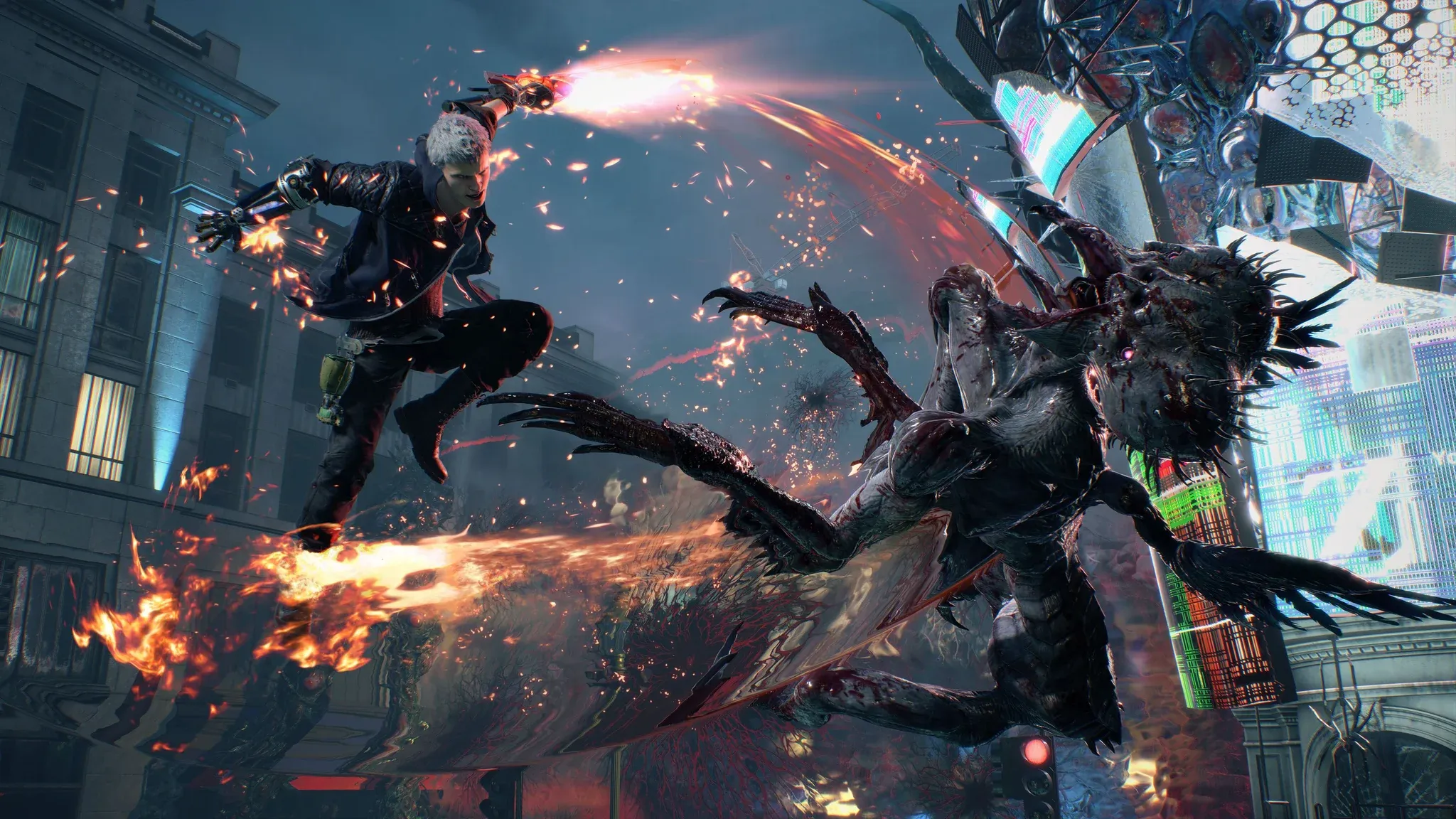


Seven years after Nero, Dante, and V first tore through the Qliphoth, Devil May Cry 5 has done something most games only dream about: posted its best annual sales numbers ever.
That's not a misprint. A game released in March 2019 just had its biggest sales year to date in 2025, outpacing every previous 12-month window since launch. For a title that already sold millions of copies in its opening weeks, that's a genuinely remarkable trajectory.
How a 2019 game keeps climbing
Here's the thing about Devil May Cry 5's longevity: it was never going to fade quietly. The game launched to widespread acclaim for its tight combat system, the return of the full original cast, and a production quality that still holds up visually today. But sustained sales growth seven years post-launch goes beyond initial goodwill.
A few forces are clearly at work. The Special Edition released alongside the PS5 and Xbox Series X in late 2020 brought Vergil as a fully playable character and added ray tracing support, giving the game a second wind at exactly the right moment. That version kept Devil May Cry 5 visible in storefronts and on wish lists for years after the original launch window closed.
PC players on Steam have also kept the numbers moving. The game has been a consistent fixture on sale charts during Capcom promotions, and its reputation as one of the best action games ever made means it gets recommended constantly in gaming communities. New players discovering it in 2024 or 2025 are arriving to a game that has been refined, discussed, and celebrated for years.
What this says about Capcom's back catalog strategy
Capcom has been one of the most consistent publishers of the past decade when it comes to long-tail sales performance. Titles like Resident Evil Village, Monster Hunter: World, and Devil May Cry 5 share a common thread: they were built to a quality standard that rewards discovery years after launch.
The key here is that Capcom doesn't abandon its games after release. Regular inclusion in sales events, continued platform support, and a commitment to not cannibalizing older titles with cheap sequels has meant Devil May Cry 5 stays relevant on its own merits.
What most players miss is that the game's combat depth is actually an asset for long-term sales. Players who pick it up years later often spend hundreds of hours chasing S-rank clears and mastering the style system. That kind of engagement generates word-of-mouth that no marketing budget can replicate.
The Devil May Cry 6 question
Record sales on a seven-year-old game tend to sharpen the appetite for a sequel. Capcom has been characteristically quiet about what comes next for the franchise, but the commercial signal here is hard to ignore. Devil May Cry 5 proving it can grow its audience nearly a decade after launch makes the IP more valuable, not less.
For now, players returning to the series or discovering it fresh have plenty of content to work through. The Devil May Cry 5 guide collection covers everything from beginner tips on the style system to advanced techniques for squeezing maximum scores out of each mission.
Capcom's next move with the franchise remains unconfirmed, but if the sales trajectory holds, the conversation around Devil May Cry 6 is only going to get louder. Keep your controllers ready.