
"If they're going to go as far as eliminating physical packages, they may as well eliminate the hardware, too. A television would be enough."
That's Sohei Niikawa, creator of the beloved Disgaea strategy RPG series, speaking at Anime Expo 2026. His words cut straight to the heart of a debate that has been building since Sony announced in July 2026 that it plans to stop producing and selling physical game media by January 2028. Niikawa's take is blunt, a little provocative, and honestly hard to argue with.
The logic behind the provocation
Niikawa made clear he gets the business reasoning. "From a purely business perspective, I can understand why the people at Sony would make that decision," he said. But understanding a decision and accepting it are two different things.
His argument is essentially this: a physical console exists, in part, as a physical media player. Strip out the disc drive, remove the ability to own a tangible copy of a game, and what you have left is a streaming box. At that point, why does the box need to exist at all? A smart TV with an app does the same job.
It's a reductionist argument, but it's not wrong. The PlayStation brand built its identity on the physical library experience. Collectors, second-hand buyers, and fans who show up to events like Anime Expo with a disc to get signed are all part of that culture. Niikawa pointed out something the executives making these calls probably haven't considered: "The executives who decided it have probably never experienced coming to an event like Anime Expo and having someone approach them with a physical game to ask for an autograph."
That's the kind of detail that doesn't show up in a quarterly earnings report.
Who is Niikawa now, and why does his voice matter
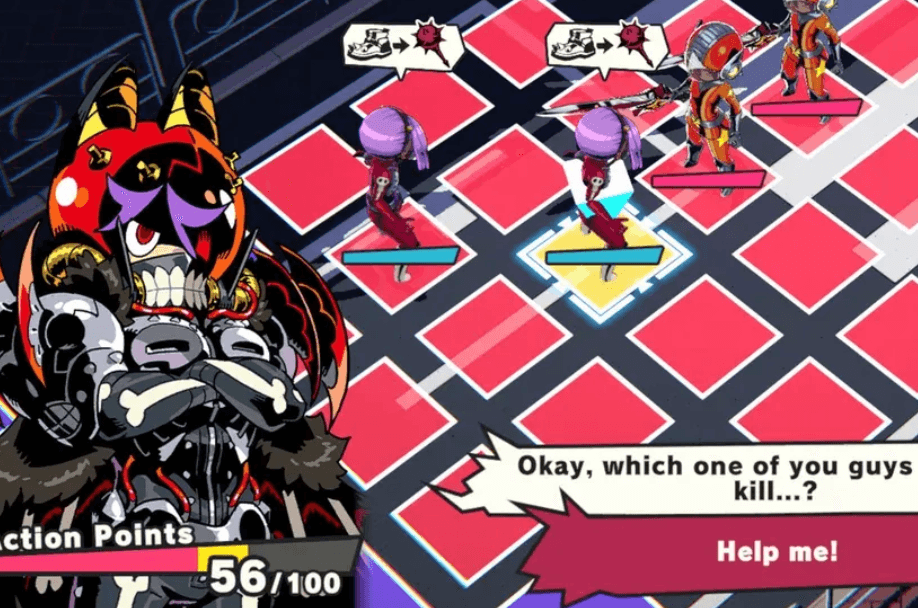
Niikawa is no longer at Nippon Ichi Software, the studio behind the Disgaea franchise. He's currently promoting his new game, Demons' Night Fever, developed at a new studio and published by Arc System Works. The game is a strategy RPG scheduled for PlayStation 5, Nintendo Switch, and PC via Steam in 2026, so it sits squarely in the PlayStation ecosystem he's criticizing. That context matters. This isn't an outsider lobbing complaints from a distance. He's actively releasing a title on the platform and still has serious reservations about where Sony is taking it.
His comments carry weight precisely because of his history. The Disgaea series built a dedicated fanbase across multiple PlayStation generations, and physical releases were always a core part of that relationship. Limited editions, collector's boxes, autograph signings at conventions, these are things that exist because physical media exists.
Sony's position isn't shifting
Despite sustained backlash from consumers and developers alike, Sony has shown no indication it plans to reverse course. The European Union, which has intervened in other platform-related disputes, has confirmed it cannot block the move. Consumer rights advocates have raised concerns about what an all-digital future means for game ownership, resale rights, and long-term preservation, but none of that has produced any policy change from Sony.
The outrage has been visible across Sony's social media presence since the announcement dropped. Comment sections on PlayStation posts have been flooded with criticism, and Niikawa's remarks are among the more considered and quotable responses to emerge from the industry side.
What this means for players who care about ownership
Here's the thing: Niikawa's point about hardware is partly rhetorical, but it forces a real question. If the value of a dedicated gaming console is tied to the ecosystem around it, including physical ownership, resale, and the tangible culture of collecting, then an all-digital PlayStation is a fundamentally different product. Calling it the same thing and charging the same price is where players should push back.
For fans of strategy RPGs and niche Japanese titles like Disgaea, physical releases have historically been the safer bet for long-term access. Digital storefronts close. Licenses expire. A disc on a shelf doesn't disappear when a server goes down.
Niikawa's comments won't change Sony's timeline. But they're a useful reminder that the people building games for PlayStation aren't uniformly on board with where the platform is headed. If you want to stay across gaming news and strategy content as this story develops, the gaming guides hub keeps things current.