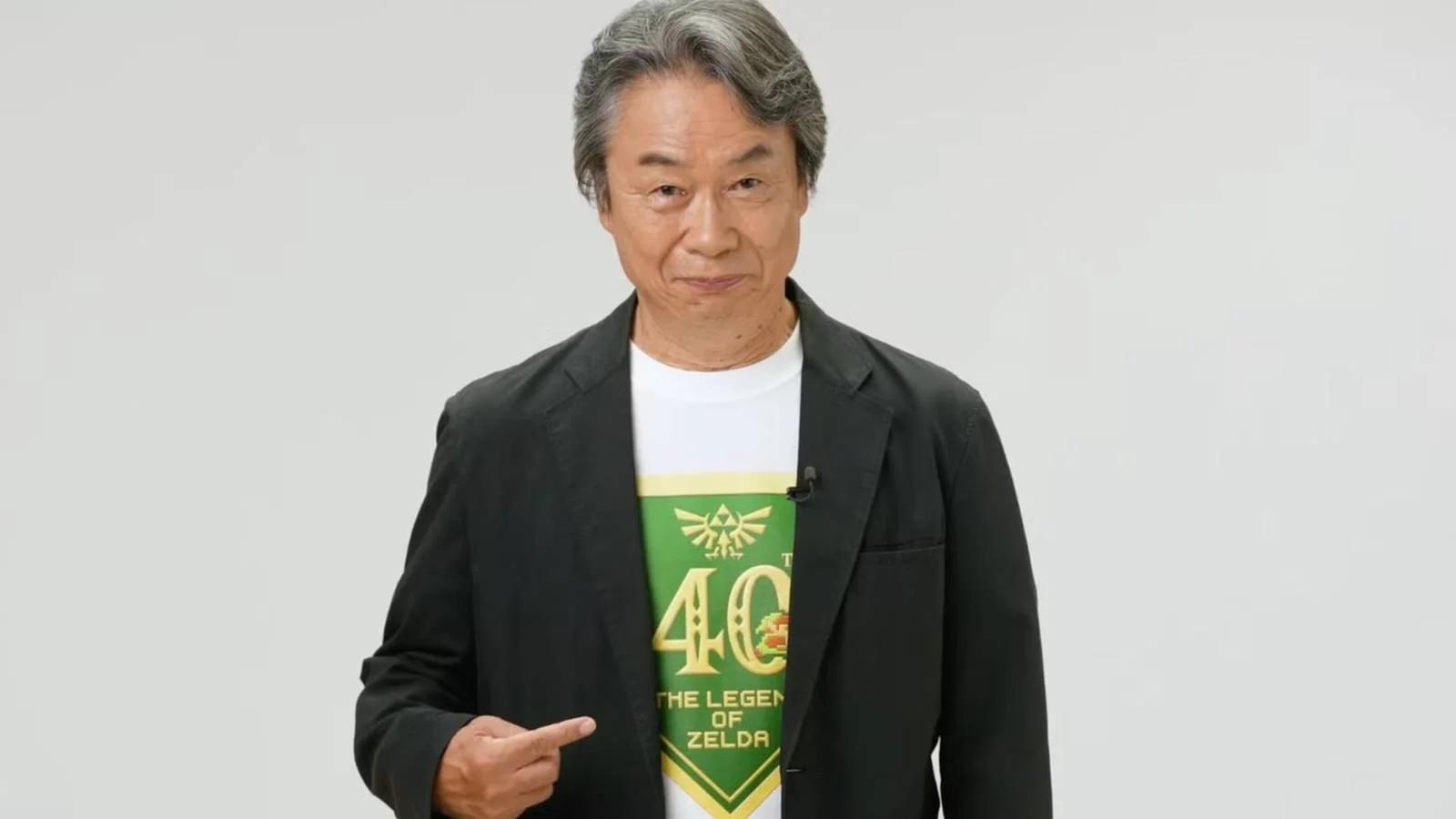

Shigeru Miyamoto, creator of Super Mario, The Legend of Zelda, and Donkey Kong, will receive Japan's Order of Culture, making him the first video game developer in the award's nearly 90-year history to be selected for the honor.
A first for gaming, nearly 90 years in the making
The Order of Culture was established in 1937 and recognizes individuals who have made exceptional contributions to Japan's art, literature, science, and technology. Past recipients have included manga artists, fashion designers, and scientists. Miyamoto is one of eight recipients chosen by the Japanese government this cycle, and the first from the games industry, full stop.
He will officially receive the award on November 3, Japan's Culture Day.
What makes this moment land so differently than a lifetime achievement trophy at an industry event is the context. This isn't gaming giving one of its own a pat on the back. This is Japan's government formally acknowledging that video games belong in the same conversation as its most respected cultural contributions. That's a big deal.
Miyamoto deflects the spotlight onto Nintendo's teams
Here's the thing: Miyamoto didn't take the moment to bask in personal glory. Described as appearing "modest" during the announcement, he made his position clear: "I am truly honored to receive such a prestigious award. As I have often said, these achievements were not the work of one person, but the result of collaboration with many others. I accept this honor on their behalf."
That framing is consistent with how he's spoken about his work for decades. Miyamoto has repeatedly pointed to Nintendo's collaborative culture as the engine behind its franchises, and this response fits that pattern exactly. A 49-year career at Nintendo, and his instinct is still to credit the room.
The franchises that built a case no one could argue with
Look at the body of work and the selection becomes hard to dispute. Super Mario, The Legend of Zelda, and Donkey Kong didn't just define Nintendo. They shaped what video games became as a medium. Mario alone has appeared in over 200 games across more than four decades. Zelda set the template for action-adventure design that studios are still building on today.
The timing adds another layer. The Legend of Zelda: Ocarina of Time remake is set to release on November 5, just two days after Miyamoto receives the award. Ocarina of Time, originally released in 1998, is a game Miyamoto produced and supervised. The fact that it's being remade for a new generation in the same week he receives Japan's highest cultural honor is a neat illustration of how relevant his work remains.
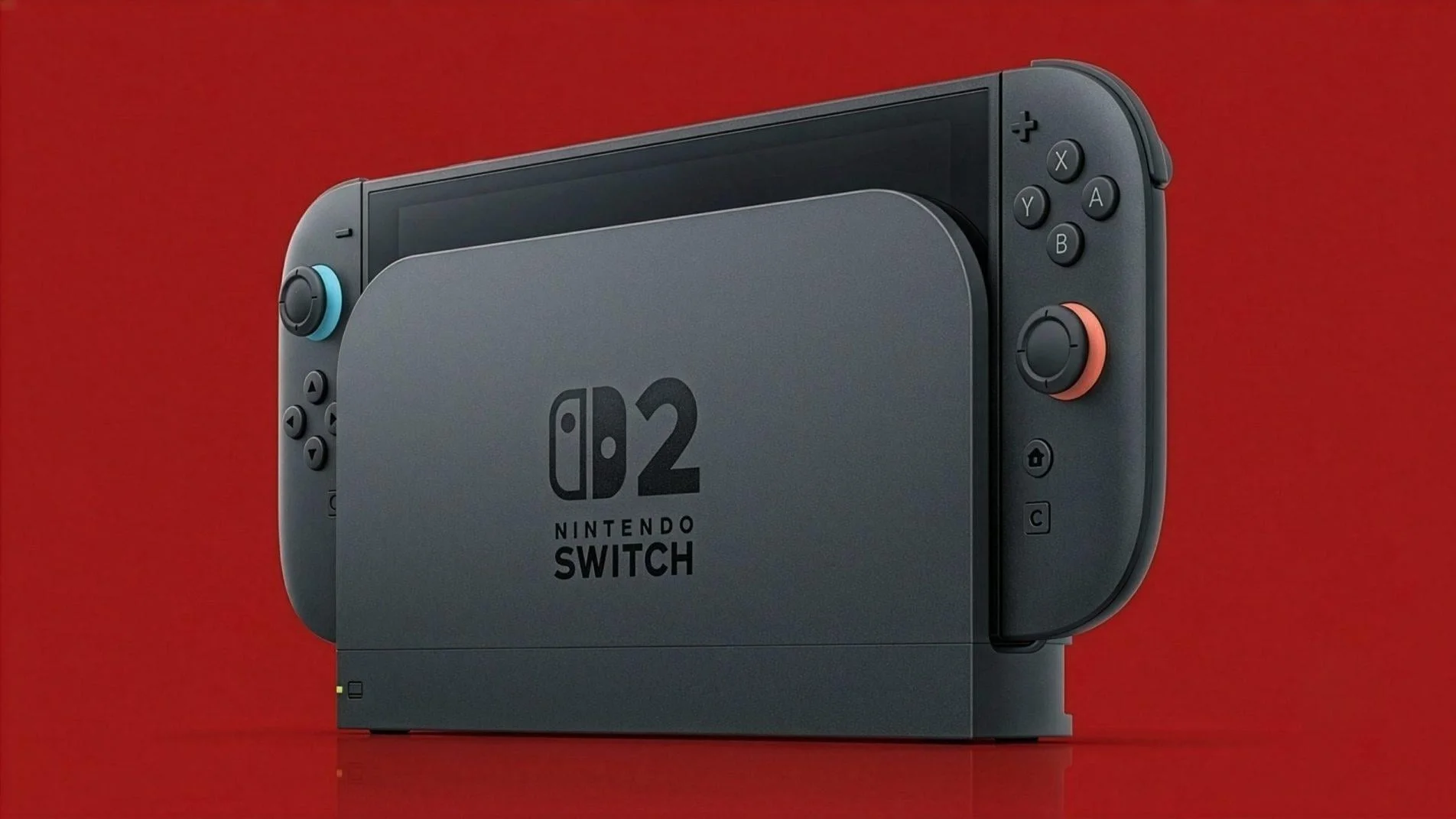
Nintendo's franchises continue pulling in millions of players worldwide, from the Nintendo Switch 2 to mobile titles to theme park attractions. Miyamoto currently serves as representative director and executive fellow at Nintendo, and he has confirmed he is actively working on several projects.
What this recognition means beyond the ceremony
For anyone who grew up with a controller in their hands, this recognition carries real weight. Video games have spent decades fighting for legitimacy as a cultural form, and an official government honor from Japan, the country that produced Nintendo, Sega, and Sony PlayStation, carries a different kind of authority than any industry accolade.
Miyamoto's selection doesn't just honor one developer. It signals that the medium itself has arrived at a level of cultural standing that governments are willing to formally acknowledge. That matters for every developer working today.
If you want to spend some time with Nintendo's catalog while the news sinks in, check out the Yoshi and the Mysterious Book beginner's guide for one of the newer entries in Nintendo's family-friendly lineup, or browse the full gaming guides library for more Nintendo content across the platform.