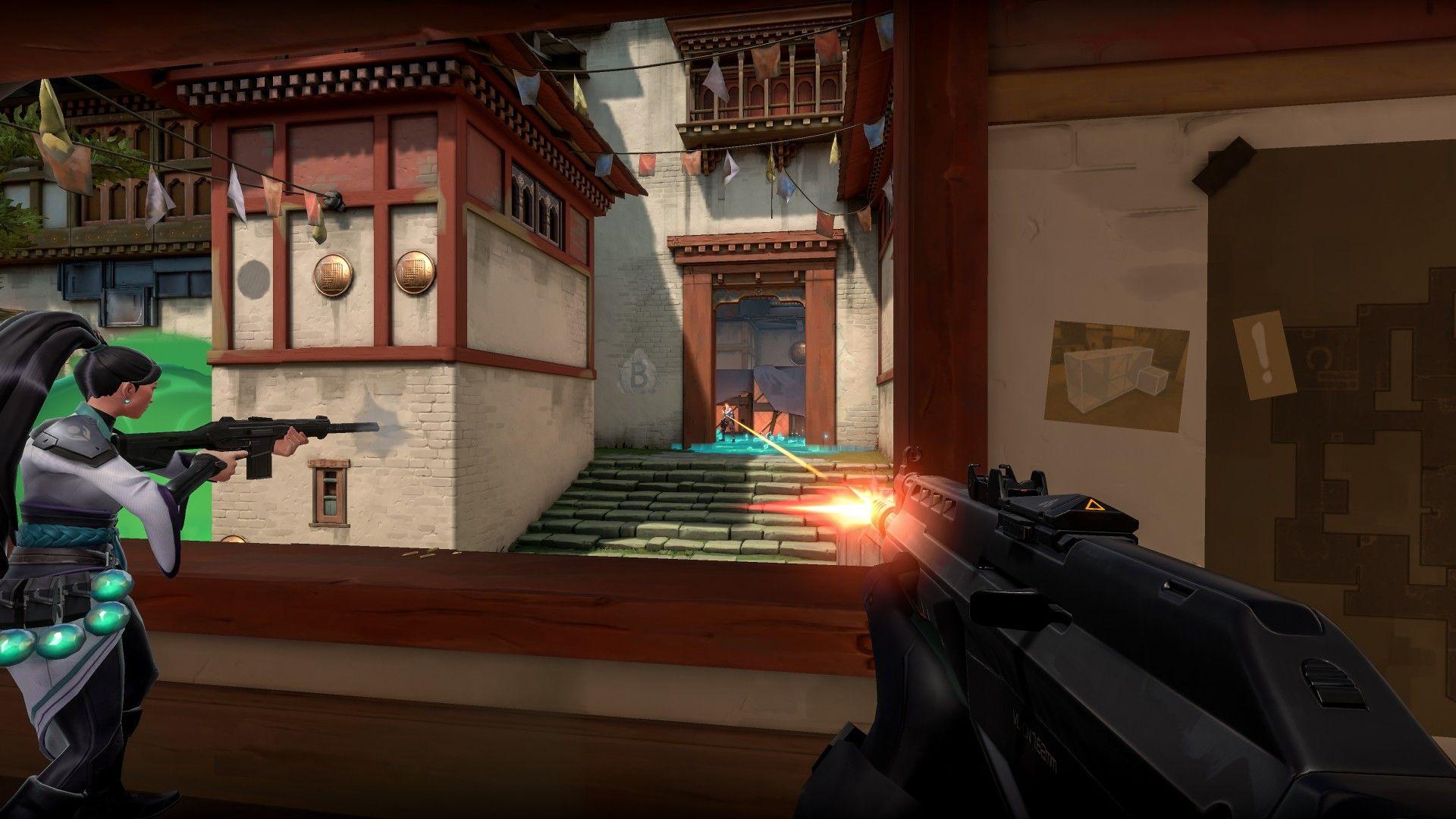


Step into almost any lobby for an online shooter today and you’ll spot the influence of artificial intelligence, sometimes it’s subtle, sometimes it’s at the center of heated debates. While the idea of AI shaping a match might thrill some and frustrate others, one thing is certain: it’s changing the expectations for competitive shooters everywhere. There’s plenty to consider before deciding if AI is actually making your favorite games more enjoyable or quietly disrupting the playing field.
Use code TRYHARD33 at checkout to redeem this offer before code expires again.
Get 33% Off GAMES+ Subscription
Five Ways AI Impacts Fun and Fairness in Competitive Shooters
1. Matchmaking That Actually Feels Balanced
Players rarely reminisce about lopsided matches. Advanced AI matchmaking does more than just sort players by a number or color-coded rank. It can analyze trends in playstyle, recent history, and more, aiming to put you in games where everyone has a fair shot. Sometimes, though, it tries so hard to create dramatic comebacks or “tight” matches that skilled players feel artificially held back, sparking debates about whether fair really means fun.
2. Bot Players: Silent Heroes or Hollow Competition?
When a game needs to fill empty slots, AI bots jump in. These bots can help keep match times short and queues moving, especially in less busy regions. The flip side: while some bots offer challenging practice, others are too predictable, making victories ring hollow. Where’s the line between boosting accessibility and diluting the sense of real competition?
3. Cheat Detection Goes High-Tech
With cheats and hacks threatening to wreck credibility, developers rely on AI to spot and flag suspicious behavior. Quickly reacting to aim-assist tools or wallhacks, these systems help protect honest players from losing to cheaters. Still, players occasionally get caught in the net unfairly, raising questions about transparency in how AI decisions are made.
4. Dynamic Content Keeps Matches Fresh
To keep players coming back, many shooters use AI to tweak map rotations, event timing, or even the way rewards are distributed. AI can detect falling engagement and mix in new variables, sometimes it’s refreshing, sometimes it creates just enough uncertainty to keep everyone guessing. In games that use digital currencies, like Valorant currency card, AI can recommend special offers on skins or bonus items based on player purchases, blending personalization with in-game economy.
5. Voice and Behavior Monitoring: Safer, But Always Watched?
AI-powered moderation has become a quiet guardian in voice and chat. By identifying toxic language or disruptive patterns, AI systems aim to cultivate better communities and keep focus on the game. For some, this nudges shooters in the direction of being genuinely more fun; others find the constant oversight a little too watchful and question how much is too much.
What About In-Game Currency Cards and Value?
If you’re considering adding funds to your PlayStation account, you might wonder: how much is a $100 PlayStation card? It’s usually offered at face value, $100, but actual cost can vary depending on the retailer, local taxes, regional availability, or any discounts at the time. Eneba is one platform where you can often find region-specific listings and competitive prices, giving buyers quick options that fit their needs.
So, Has AI Improved the Shooter Experience, or Just Moved the Goalposts?
AI continues to blur the line between enhanced engagement and forced outcomes, shaping modern competitive shooters in both unpredictable and practical ways. Every update pushes the question: are these improvements genuinely making play more exciting, or quietly shuffling fairness behind the scenes? As choice grows across platforms and tools, digital marketplaces like Eneba reflect that variety, connecting players to in-game currencies and extras no matter where they prefer to compete.