
The Entertainment Software Association (ESA) has urged the U.S. Senate Judiciary Committee to revise the proposed NO FAKES Act, warning that its current wording could create legal risks for video game developers and publishers. In a letter dated June 9, 2026, ESA President and CEO Stanley Pierre-Louis outlined concerns about how the legislation could affect digital characters, game development tools, and the wider U.S. video game industry.
Addressed to Senate Judiciary Committee Chairman Chuck Grassley and Ranking Member Dick Durbin, the letter calls for changes that would protect people from harmful deepfakes without creating unnecessary legal uncertainty for legitimate digital creations.
ESA Warns NO FAKES Act Could Affect Video Game Development
The NO FAKES Act aims to address the unauthorized creation and use of digital replicas of individuals. However, the ESA argues that the bill, as currently drafted, does not adequately distinguish between harmful digital impersonations and legitimate uses of realistic digital representations in entertainment.
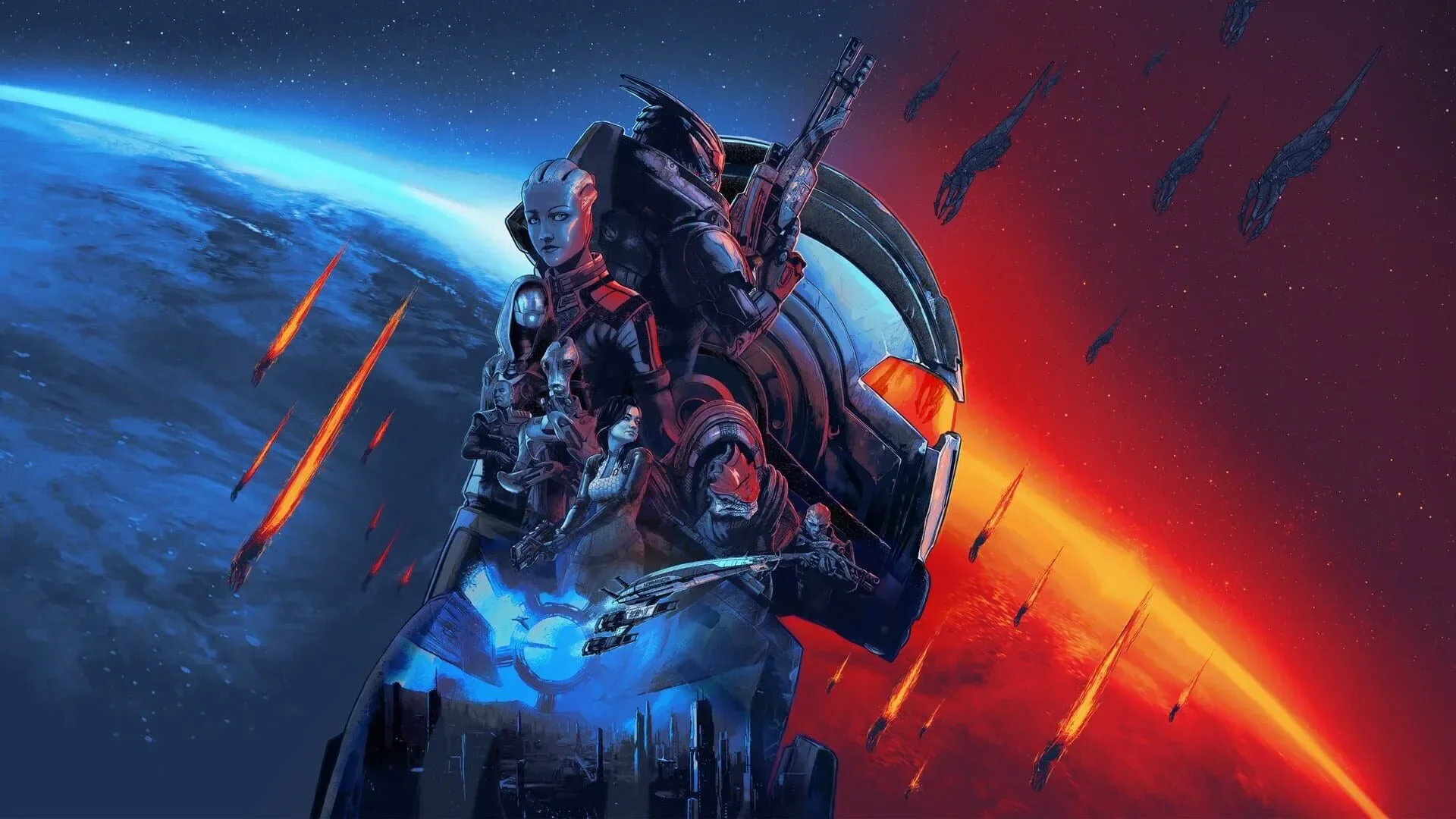
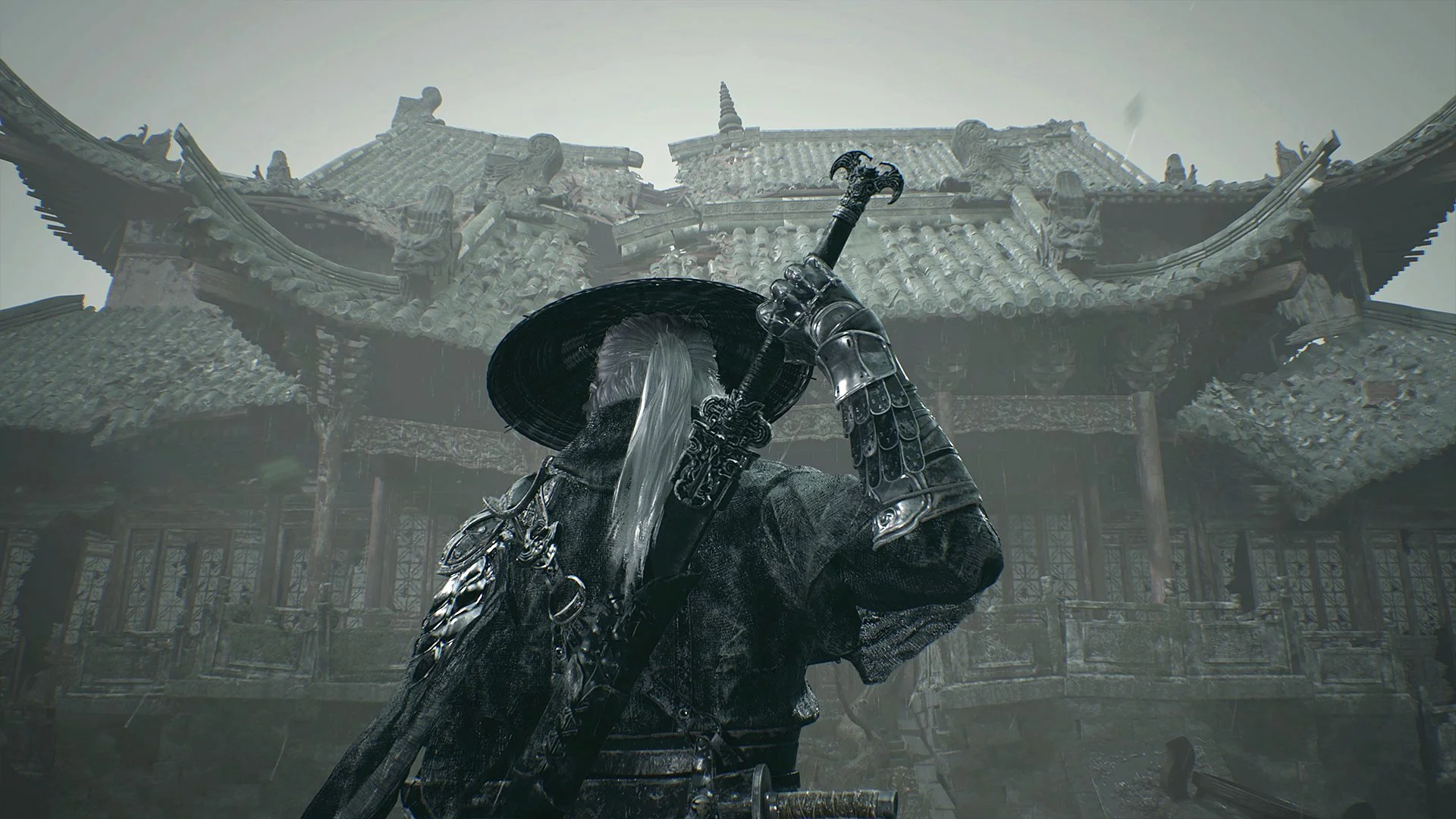
Video games frequently feature lifelike characters, including fictional protagonists, supporting characters, and digital representations of real-world athletes. The ESA cited franchises such as Tomb Raider, Call of Duty, Red Dead Redemption, and The Last of Us as examples of games featuring realistic digital characters.
According to the organization, the bill's broad definition of a digital replica could expose developers and publishers to lawsuits from individuals who believe a fictional character resembles them, even when that resemblance is coincidental. This concern also extends to the background characters that populate large game worlds.
Pierre-Louis argued that even if developers ultimately prevailed in court, the cost and time associated with defending against such claims could create a significant financial burden. The ESA warned that this uncertainty could affect the development and distribution of existing games, as well as future projects produced in the United States.
Concerns Over AI Tools and Character Creation Software
The ESA also raised concerns about the legislation's potential liability for tools and services used to create digital replicas.
Video game companies have spent years developing digital technologies capable of producing detailed characters and interactive environments. Some of these tools are also made available to players, allowing them to design their own avatars, customize characters, and create original content.
The organization argues that the NO FAKES Act does not sufficiently distinguish between tools specifically designed to facilitate harmful digital impersonation and general-purpose technologies that can be used for legitimate creative activities.
Under the current draft, the ESA is concerned that developers and providers of otherwise legitimate tools could face legal exposure because those technologies might be misused by third parties.
The association called for a more targeted approach that addresses harmful uses of digital replicas while preserving access to technologies that support game development and player creativity.
ESA Calls for Changes to the Proposed Legislation
In its letter, the ESA stated that it had already proposed changes intended to narrow the legislation and address legitimate concerns about digital impersonation. However, Pierre-Louis said that some supporters of the bill had been unwilling to accommodate the video game industry's specific concerns.
The organization also emphasized that video games differ from other entertainment products because they are entirely digital creations. As a result, legislation governing digital replicas could have implications for a wide range of development practices, from character design and animation to player-facing customization systems.
The ESA asked Grassley and Durbin to help revise the bill so that it addresses legitimate harms without creating what the organization considers disproportionate risks for game developers and publishers.
The letter does not call for abandoning protections against harmful deepfakes. Instead, it argues that the legislation should more clearly distinguish between unauthorized digital impersonation and the ordinary creation of fictional characters or other legitimate digital content.
The U.S. Video Game Industry's Economic Impact
The ESA used the letter to highlight the scale of the American video game industry and the potential consequences of introducing legal uncertainty into game development.
According to figures cited in the letter, more than 212 million Americans play video games, representing approximately 67% of the U.S. population. The organization also reported that the industry created and supported more than 250,000 jobs across the country and contributed $65.5 billion to U.S. gross domestic product in the previous year.
The ESA said it takes seriously its responsibility to protect the intellectual property and creative work of its member companies, as well as the interests of the millions of people who play their games.
The organization warned that legal costs associated with claims over digital character likenesses could have broader economic consequences, particularly if developers face uncertainty over whether their existing assets or creative tools could trigger litigation.
What Happens Next?
The ESA's letter places the video game industry's concerns directly before the U.S. Senate Judiciary Committee as lawmakers consider the proposed NO FAKES Act. Its central request is for more precise definitions and liability provisions that protect individuals from harmful digital replicas while allowing legitimate creative technologies to continue operating.
Any changes to the legislation would need to balance protections against unauthorized digital impersonation with the practical realities of creating interactive entertainment. For video game developers, the outcome could influence how studios approach character design, digital likenesses, and tools that allow players to create their own content.
The ESA's position is that a more narrowly tailored bill could address the harms associated with deepfakes without exposing developers to unnecessary litigation over fictional characters and general-purpose creative software.