
"Looking beyond Season One, the roadmaps we previously shared will be shifting. We want to take the time to evaluate the work in front of us and then lock down an updated schedule."
That's the message ESO community manager Jessica Folsom posted to the official forums this week, and it landed with the weight of a dungeon final boss. The statement came directly after Microsoft's sweeping "reset" of the Xbox brand, which resulted in 3,200 layoffs across the company, including a significant hit to ZeniMax Online Studios, the team behind The Elder Scrolls Online.
What the layoffs actually mean for ZeniMax Online Studios
The number circulating is stark: as much as half of the ZeniMax Online Studios development team has reportedly been cut. Microsoft's broader restructuring spared studios from outright closure, with some being offloaded to new management or given independence, but the toll on individual teams has been severe. ZeniMax Online Studios was among the hardest hit, and the total headcount affected remains unconfirmed.
This isn't the first time ZOS has absorbed a significant blow from Microsoft. An earlier round of cuts already hit the studio, and a sci-fi MMO in development there, known internally as Project Blackbird, was cancelled outright. That history makes the current situation feel less like a one-off and more like a pattern.
Folsom's forum post stopped short of any specifics on what content is being cut or delayed. The key phrase, "stepping back to get our plans straight," signals that the team is effectively rebuilding its schedule from scratch, not just pushing dates around.
From big expansions to seasonal content, and now this
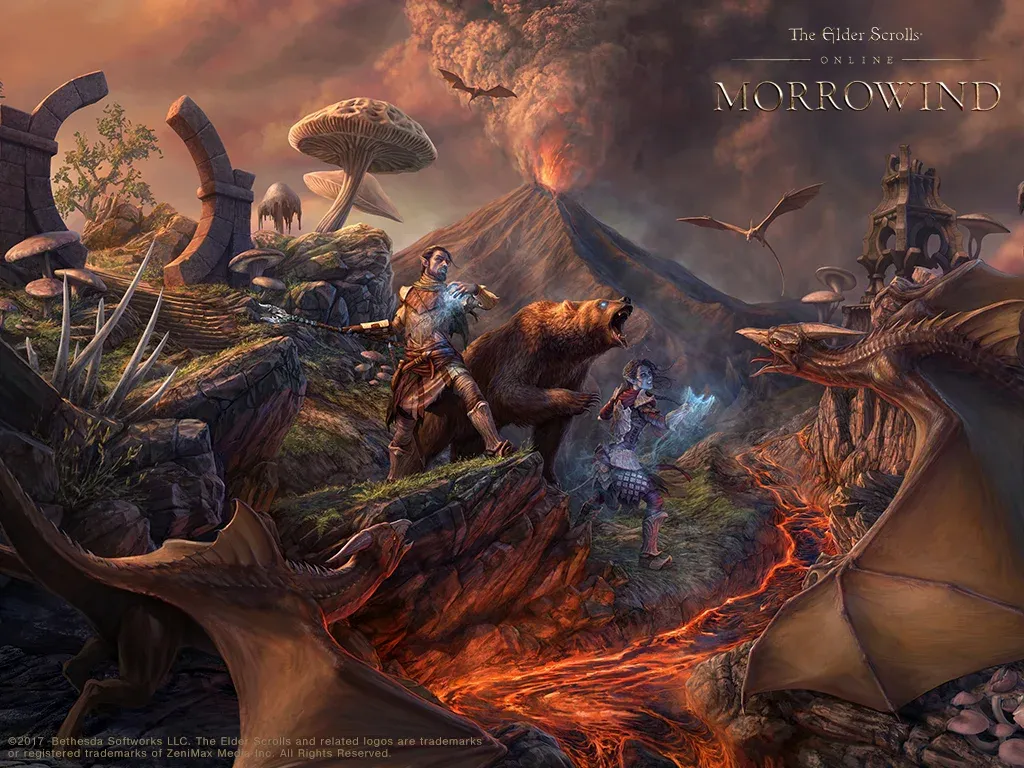
Here's the thing: ESO had already been scaling down before these layoffs. The game moved away from its annual Chapter model (think Morrowind, Summerset, Greymoor) toward a seasonal content structure, which most players read as a sign the studio was working with a leaner budget. Fewer dungeons, smaller zone releases, and a quieter content cadence had already raised questions about the game's trajectory.
The shift to seasons was framed as a new direction, but with half the team potentially gone, even that reduced output looks difficult to sustain. Players navigating the ESO Update 50 Challenge Difficulty system or grinding the PvP Veterancy ranks are now left wondering whether the systems they're investing time in will receive meaningful follow-up support.
Player reaction: from concern to Destiny comparisons
The community response has been bleak, and the Destiny 2 comparisons arrived almost immediately. Bungie wound down active Destiny 2 development earlier this summer before cutting nearly 300 developers from its Bellevue headquarters alone. The game still runs, but it's done receiving new content. Players who migrated from Destiny to ESO are now watching the same pattern unfold at their new home.
"Noooo I just came to this game from Destiny. F--k me, man" was one of the more concise reactions on Reddit, but the longer posts weren't more optimistic. Multiple players predicted ESO entering maintenance mode within the next year, pointing to the already-reduced dungeon and zone output as evidence the trajectory was set before this week's news.
The concern isn't just about content volume. MMOs run on player confidence. If the community believes a game has stopped growing, subscriptions drop, the active population shrinks, and the content that does exist becomes harder to engage with because fewer people are playing it. That feedback loop is what players are calling a "death spiral," and it's a legitimate risk for any live-service game that loses momentum.
What players can do while waiting for answers
Folsom's statement promises a clearer timeline once the team has had time to assess its situation. That's not nothing, but it's also not a roadmap. For players who are still active and want to make the most of what's currently in the game, the existing content isn't going anywhere. The ESO guide collection covers the systems that are live right now, from Tamriel Tomes rewards to PvP progression, and those remain fully playable regardless of what the next roadmap looks like.
Microsoft has signaled that Bethesda's focus is narrowing to a small set of franchises, with Elder Scrolls and Fallout at the top of that list. Whether that focus extends to keeping ESO's live service healthy, or whether it's purely about the single-player mainline entries, is the question that will define the next chapter for ZeniMax Online Studios.