
Persona 6 is officially happening. Atlus confirmed it at Summer Game Fest 2026, and the Persona community has been buzzing ever since. But here's the thing: for a growing number of long-time fans who went back to Persona 3 Reload in anticipation, that excitement has a complicated edge to it.
When going back feels like going backwards
The argument isn't that Persona 3 Reload is a bad game. The remake is polished, the combat is sharp, and the social sim loop is as addictive as ever. The issue is more subtle, and honestly more telling: the formula hasn't changed in any meaningful way, and after nearly a decade away from the series, that sameness hits differently.
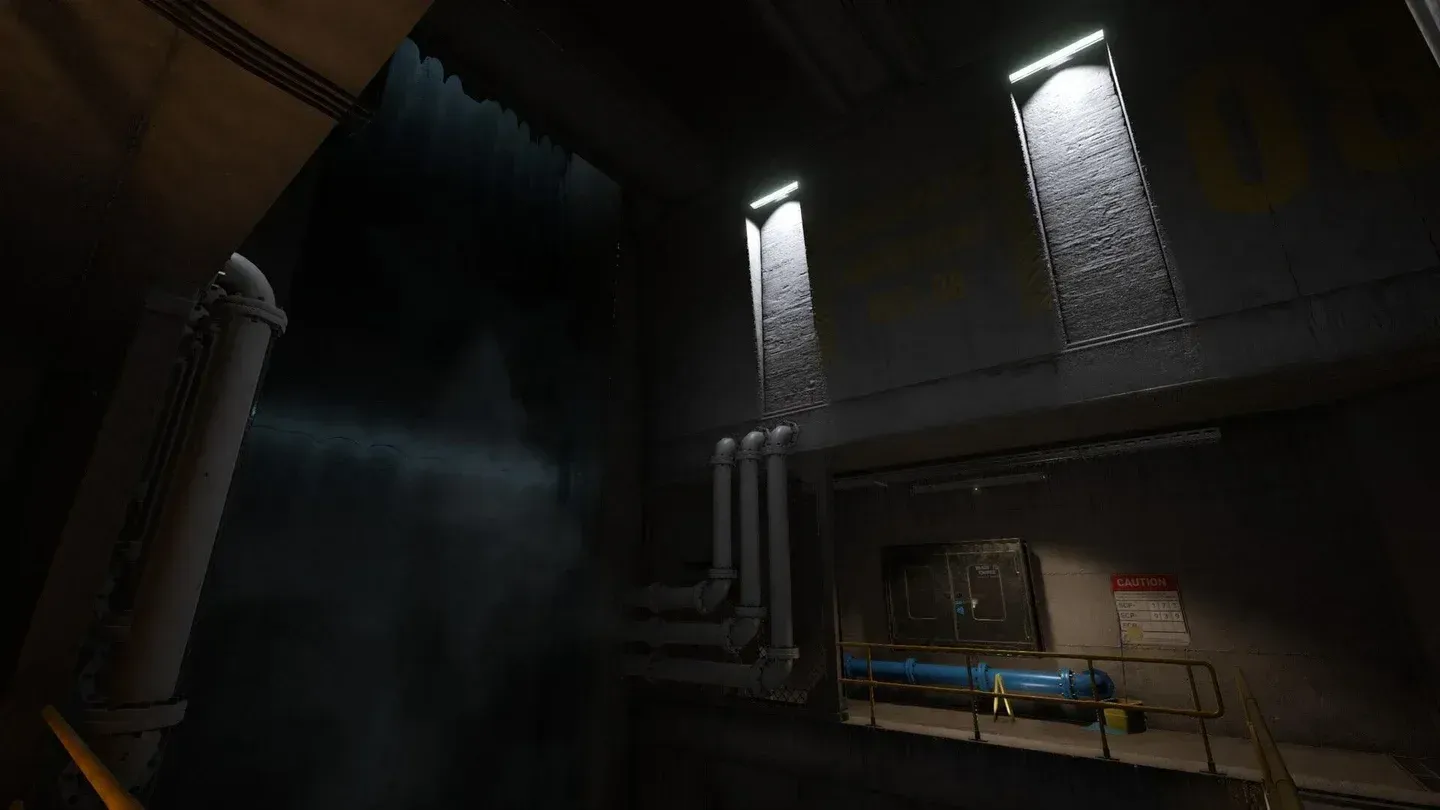
The game's opening hours are a good example. An authority figure literally explains the core supernatural gimmick to characters who already know about it. Expository hand-holding that was easy to forgive in 2006 feels considerably more grating now. Long stretches of classroom Q&As, dormitory walks, and intercepted hallway conversations pile up before the combat loop gets any real room to breathe.
For players who were teenagers when Persona 5 dropped in 2017, the high school setting had a natural resonance. The cast's anxieties mirrored real ones. The fantasy of leading a double life as a Phantom Thief while managing a social calendar felt electric. Playing those same beats again in your late 20s, or heading toward 30, is a noticeably different experience.
What the Persona 6 Steam page actually tells us
The Persona 6 Steam page is light on specifics by design. What it does confirm lines up almost exactly with what series veterans would predict: a student protagonist, a double life, urban myths, and occult themes. The social features, romance and friendship systems that first appeared in Persona 3 back in 2006, are called out directly.
That last detail is worth sitting with. Those systems are now 20 years old. They've been iterated on, refined, and reskinned across multiple mainline entries and remakes, but the skeleton has stayed the same. High school. Social Links. Dungeons at night. Repeat.
The Persona 5 era made that formula look fresh through sheer style and a sharper political edge. P3R, which Atlus rebuilt to look and feel much closer to Persona 5, demonstrates just how much of the series' recent appeal has come from aesthetic presentation rather than structural evolution.
What Metaphor: Refantazio proved, and why it matters here
Metaphor: Refantazio, developed by a team with strong roots in the Persona 5 production, made a compelling case that the underlying systems are not the problem. Strip out the high school setting, swap Social Links for an election campaign, add a job class system, and suddenly the whole thing feels like it has room to breathe again. The social sim DNA translated cleanly to a mature fantasy world, and the removal of romance as a mechanic didn't break anything.
The key here is that Metaphor didn't reinvent the wheel. It just changed the road. That distinction matters a lot when thinking about what Persona 6 could be.
If the P6 hints about urban myths and occult themes suggest a return to the tone of the original Persona titles, that's at least a thematic shift. But thematic shifts alone won't solve the structural fatigue that some fans are already feeling. A college setting, a foreign city, even a slightly older protagonist would go a long way. None of those feel likely based on what's been revealed.
The formula question Atlus hasn't answered yet
Fans who bounced off Persona 3 Reload aren't necessarily done with the series. They're done with a specific version of it. The distinction is worth making because Atlus has shown, through both Metaphor and the consistent quality of its remakes, that it knows how to execute. The question is whether P-Studio is ready to take a real swing at the formula itself.
Persona 6 won't show its hand until after Persona 4 Revival ships in early 2027. Between now and then, the Persona 3 Reload guide collection is worth revisiting if you want to get the most out of the current entry while waiting to see whether the next one breaks the mold or deepens it.