
The pitch has always been simple: pay for a game, own the game. But somewhere between the rise of live-service titles, platform-locked libraries, and server shutdowns, that promise quietly fell apart. Players are now spending hundreds of dollars on digital content they can lose access to the moment a publisher decides to pull the plug.
The frustration is not new, but it has hit a new pitch. Players have watched storefronts shutter, online-only titles go dark, and DLC packs disappear from sale without warning. The common thread: money spent, access revoked.
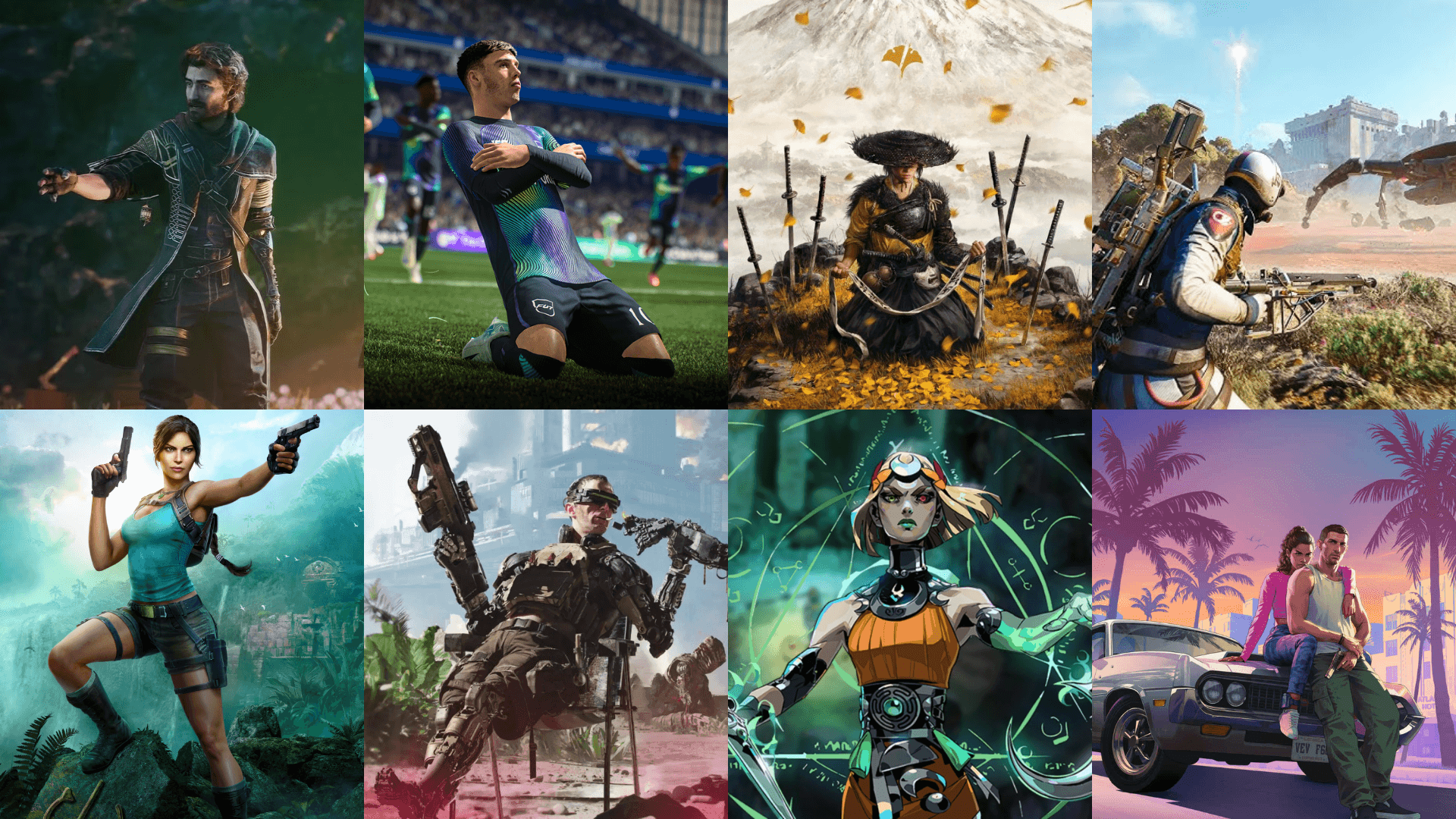
Use code TRYHARD33 at checkout to redeem this offer before code expires again.
Get 33% Off GAMES+ Subscription
The gap between paying and owning
Here is the thing most players already know but rarely say out loud: when you buy a digital game today, you are almost never buying the game. You are buying a license, one that can be revoked, altered, or simply expire when a server goes offline. Physical media used to solve this. You bought the disc, you owned the disc. That era is fading fast.
The shift to digital-first has accelerated across every major platform. Digital game sales now account for the majority of revenue across PC and console markets. But the terms attached to those purchases have not kept pace with consumer expectations. Players are being asked to spend $70 on a title they may not be able to access in five years.
In-game purchases compound the problem. Cosmetics, season passes, and battle passes represent billions in annual spending. Most of that content exists only on the publisher's servers. If the game shuts down, the spending disappears with it.
What web3 promised, and where it stalled
The web3 gaming space spent years pitching blockchain-based ownership as the fix. The argument was straightforward: put your assets on a public ledger, and no single company can take them from you. True ownership, verifiable and transferable.
The execution has been messier. Most web3 games launched with speculative economies that collapsed quickly, and the player experience often took a back seat to token mechanics. The core idea, that players should genuinely own what they buy, got buried under the noise.
But the underlying demand that web3 was trying to address has not gone anywhere. Games like Heartopia are trying to build economies where selling items and trading with other players is a genuine part of the experience, not an afterthought. That kind of player-driven economy only works if ownership is real.
The live-service model and the ownership illusion
Live-service games have restructured how players relate to their purchases. Tomodachi Life: Living the Dream, for example, builds much of its progression around timed shop resets and wish systems. Knowing when shops restock and which wishes to prioritize matters because the game is designed around scarcity and timing. That design philosophy keeps players engaged, but it also means the value of what you earn or buy is always contingent on the game staying live.
What most players miss is that this is a deliberate design choice, not a technical necessity. Persistent, player-owned economies are possible. They require a different set of priorities from developers and publishers, ones that favor player retention over short-term monetization cycles.
The conversation around digital ownership is no longer a niche concern. Regulatory bodies in the EU and elsewhere have started examining whether "you are buying a license" disclosures are sufficient, or whether consumers are being systematically misled. Some jurisdictions are pushing for clearer labeling at point of sale.
Where the pressure goes next
The key here is that this is a market problem as much as a policy one. Players who feel burned by shuttered games and vaporized DLC are already voting with their wallets, gravitating toward games with stronger preservation track records and developers who are transparent about long-term plans.
Publishers who treat digital purchases as permanent revenue with no obligation to maintain access are going to face increasing pushback. The players who spent real money on those licenses are not forgetting, and they are getting louder.
For a broader look at games that are getting the ownership conversation right, the gaming guides hub is a good place to track which titles are building systems worth investing in.