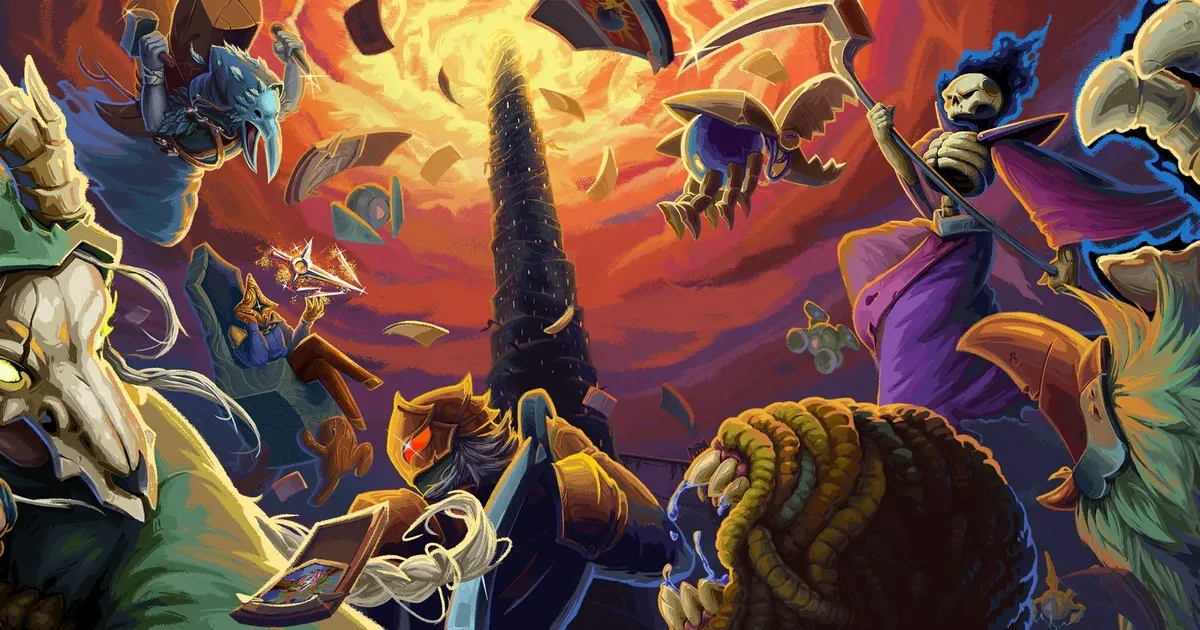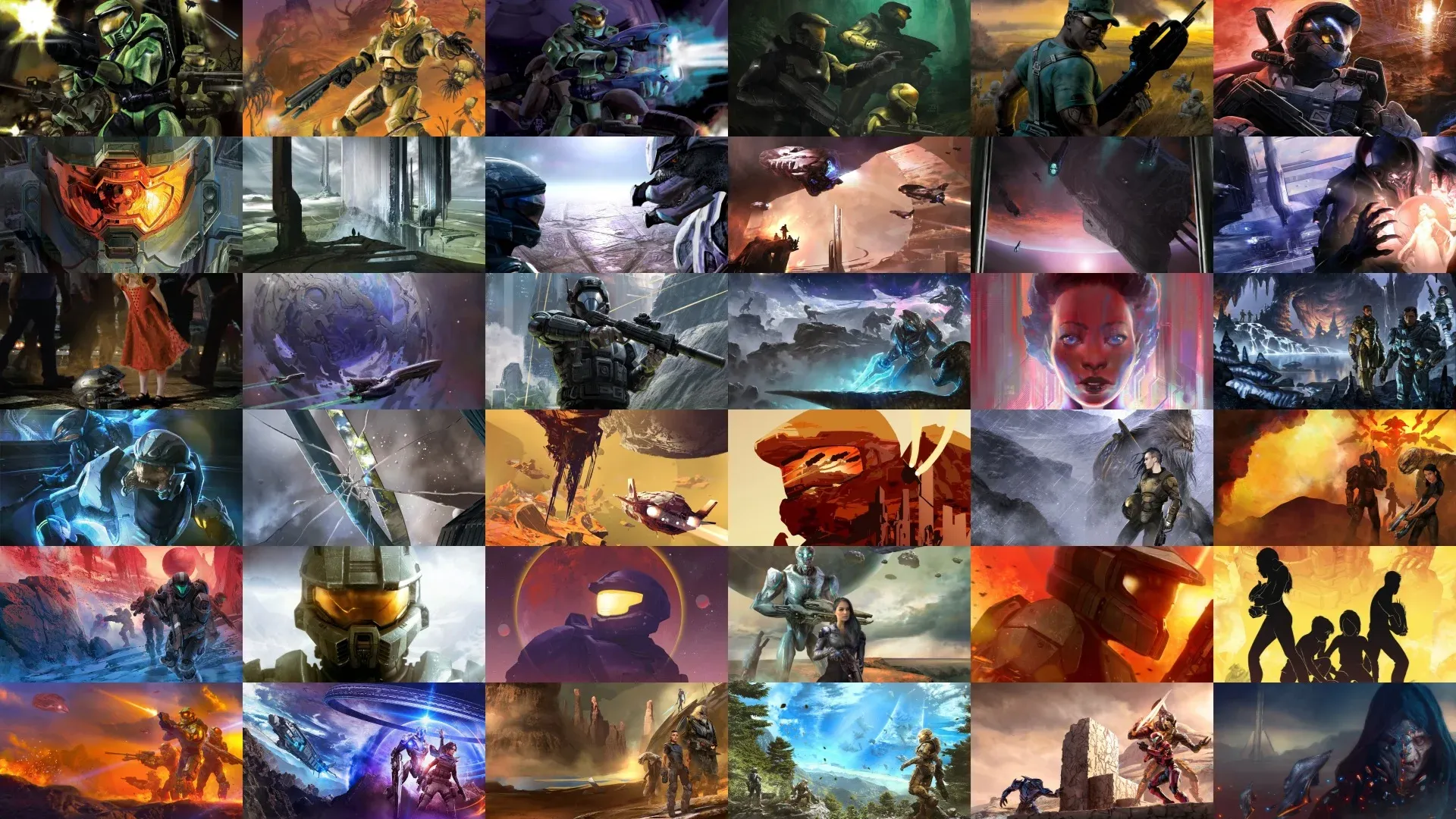


With the launch of the Marathon reboot in 2026, Bungie now has 18 games to its name spanning more than three decades of development. That milestone has prompted a closer look at the Washington state studio's full catalog, with a new ranking from DualShockers evaluating every title the developer has ever shipped.
The ranking, authored by journalist Eric Warner, judges each game across five criteria: gameplay, story, innovation, multiplayer, and replayability. Remakes and remasters, including Halo: Combat Evolved Anniversary and Halo: The Master Chief Collection, are excluded from the list.
Where Bungie's Catalog Begins
The list opens at the bottom with Gnop!, a Pong clone developed by Bungie co-founder Alex Seropian in 1990 for Mac computers, a full year before Bungie was officially incorporated as Bungie Software Products Corporation in May 1991. While it holds historical value as the studio's unofficial starting point, the game offers little replay value beyond curiosity.
Slotting in at 17th is Minotaur: The Labyrinths of Crete (1992), Bungie's first multiplayer-only game and its first foray into fantasy settings. Players navigated randomly generated labyrinths against one another across separate Mac computers, using weapons, spells, and items like the Mask of Disguise. Its multiplayer-only structure limits its staying power today.
Rounding out the lower tier is Operation: Desert Storm (1991), Bungie's first official commercial release. A top-down tank shooter inspired by Atari 2600's Combat, it placed players in control of an M1 Abrams tank across missions requiring fuel management alongside combat objectives.
The FPS Foundations
The studio's identity as an FPS developer began taking shape with Pathways into Darkness (1993), ranked 15th. Released roughly a year after id Software's Wolfenstein 3D, the game followed a U.S. Army Special Forces soldier navigating a South American pyramid against a ticking clock, with puzzle solving and inventory management layered on top of the shooting. Its complexity works against easy replayability.
Marathon (1994), ranked 12th, is described as Bungie's most influential early title. It was the first FPS to let players freely look around in a 3D environment with full control, and the first FPS to feature dual-wielding. Its iconography, enemy designs, and weapon concepts carried forward into nearly every Bungie game that followed.
Marathon 2: Durandal (1995) lands at 14th despite adding features like swimming, new weapons, and expanded multiplayer modes. The absence of in-game music beyond the menu screen is cited as a notable drawback. Marathon Infinity (1996), ranked 10th, closed out the trilogy with a notoriously convoluted multi-timeline story, but earned praise for introducing the Forge level editor and Anvil graphics editor, giving players tools to build their own maps and fan campaigns.
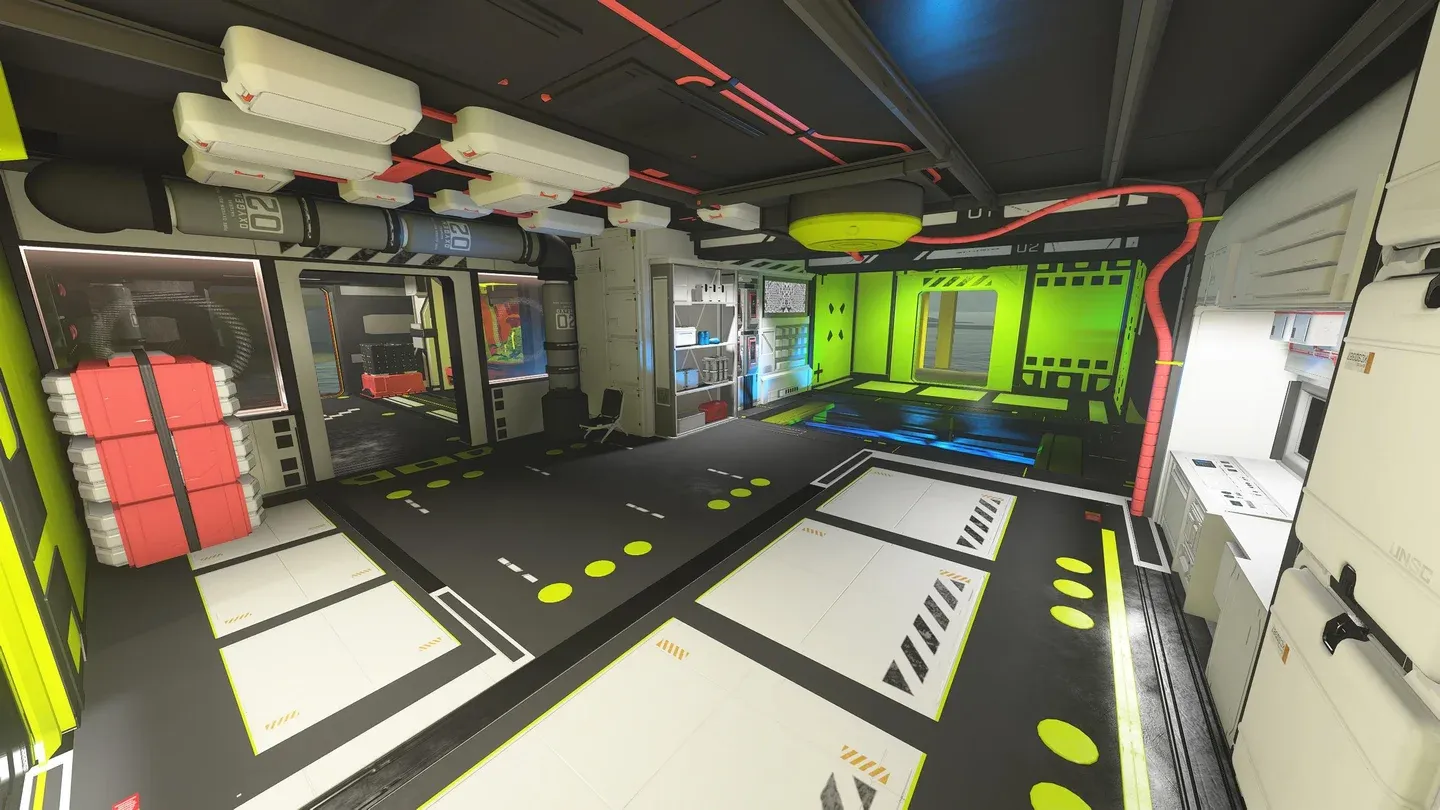
Forge editor debuted in Marathon Infinity
Myth, Oni, and the Road to Halo
Between the Marathon series and Halo, Bungie produced some of its most underappreciated work. Myth: The Fallen Lords (1997), ranked 13th, was the studio's first real-time tactics game, dropping players into medieval fantasy combat without any base-building mechanics. It was also the first Bungie game scored by composers Martin O'Donnell and Michael Salvatori, a partnership that would define the studio's sound for decades.
Its 1998 sequel Myth II: Soulblighter, ranked 9th, improved on the original with stronger writing, more surprising character development, and the addition of the Fear and Loathing map and unit editor. The Myth series remains one of Bungie's most overlooked franchises, with the rights currently held by Take-Two Interactive.
Oni (2001), ranked 11th, arrived the same year as Halo: Combat Evolved and was almost entirely overshadowed by it. A third-person action game heavily inspired by the Ghost in the Shell manga and anime, it followed agent Konoko through melee-focused combat against the Syndicate crime organization. Its anime cutscenes and an atypical O'Donnell and Salvatori score make it one of Bungie's most distinctive titles, even if it remains largely forgotten.
What the Full List Reveals
The complete 18-game ranking illustrates how Bungie spent its first decade experimenting across genres, from Pong clones and tank shooters to real-time tactics and anime-inspired action games, before finding the formula that would make it one of the most recognized names in the industry. The Marathon reboot arriving in 2026 as the studio's 18th game brings that arc full circle, returning to the franchise that first established Bungie as a serious FPS developer in the mid-1990s.
With Bungie approaching its 35th anniversary, the full catalog underscores just how varied and ambitious the studio's output has been across platforms, genres, and eras.
Source: Dualshockers
Make sure to check out more:
Frequently Asked Questions (FAQs)
How many games has Bungie developed in total?
As of 2026, Bungie has developed 18 games, with the Marathon reboot being the most recent. This count excludes remakes and remasters such as Halo: The Master Chief Collection.
What was Bungie's first ever game?
Gnop!, a Pong clone developed by co-founder Alex Seropian in 1990 for Mac computers, predates the studio's official founding in May 1991 and is considered Bungie's unofficial first game.
What was Bungie's first FPS game?
Pathways into Darkness, released in 1993, was Bungie's first first-person shooter, arriving roughly a year after id Software launched Wolfenstein 3D.
Who composed music for the Myth and later Bungie games?
Composers Martin O'Donnell and Michael Salvatori first worked with Bungie on Myth: The Fallen Lords in 1997 and went on to score most of the studio's major titles, including the Halo and Destiny series.