

The open-world genre has produced some of gaming's biggest commercial hits, but a lot of those worlds have felt like giant checklists more than actual places to explore. Guillaume Broche, creative director at Sandfall Interactive and the mind behind Clair Obscur: Expedition 33, has a pretty strong opinion on which game finally got it right.
In a recent episode of Video Game Club via Konbini on YouTube, Broche was refreshingly blunt about his relationship with the genre. "Generally speaking, I'm not really into open-world games," he said. "It's literally the first open-world game I've ever liked."
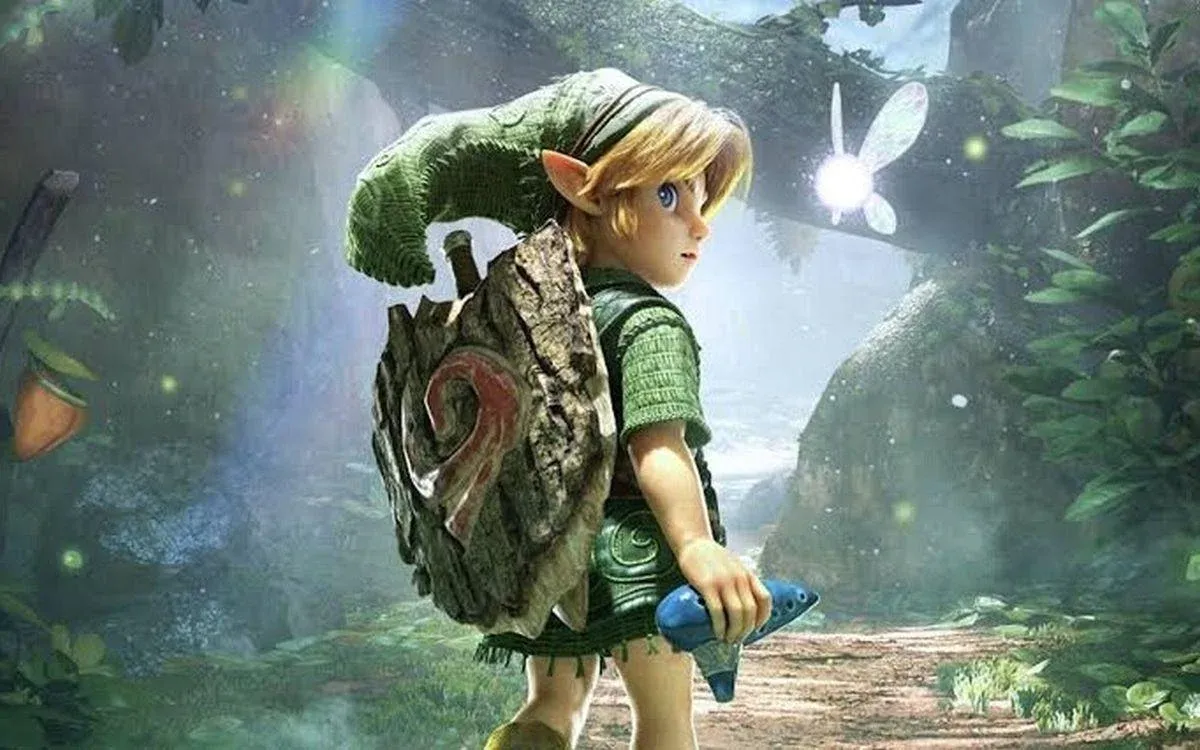
The game in question? The Legend of Zelda: Breath of the Wild.
A reluctant convert to Hyrule
Broche's Zelda history is thin compared to the rest of his team. He played the series as a child on the Game Boy, and Breath of the Wild is the only other entry he's touched. He openly admits that he "forced" himself to play it because the praise was impossible to ignore.
His verdict ended up being unambiguous. "It's truly exceptional. In my opinion, it's the first open-world game that actually delivered on the promise of an open world."
What does that promise actually mean to him? The minimap question is at the heart of it. Broche specifically highlights the absence of constant map markers and waypoints as the thing that makes Breath of the Wild work. "You have a big map, but you really get that sense of exploration. You see something, and you want to go there."
That sounds simple. Most open-world games claim to offer exactly that. The key here is that Breath of the Wild's design actually backs it up: the physics systems, the traversal mechanics, and the way the terrain itself communicates points of interest all make following your eyes feel rewarding rather than aimless.
The sidetracking problem (that isn't actually a problem)
Broche also nails something that most open-world design discussions miss entirely. The best moments in Breath of the Wild aren't the ones you planned.
"Ten thousand things happen along the way, and you get sidetracked. You never end up where you want to go because you keep getting sidetracked by all sorts of things."
That's not a failure of focus. That's the whole point. The world pulls you in directions you didn't choose, and those detours feel earned because the game's density is built from genuine discovery rather than icon-chasing.
His final word on the level design is concise: "In terms of level design, it's an absolute masterclass."
What this means for gamers following Expedition 33
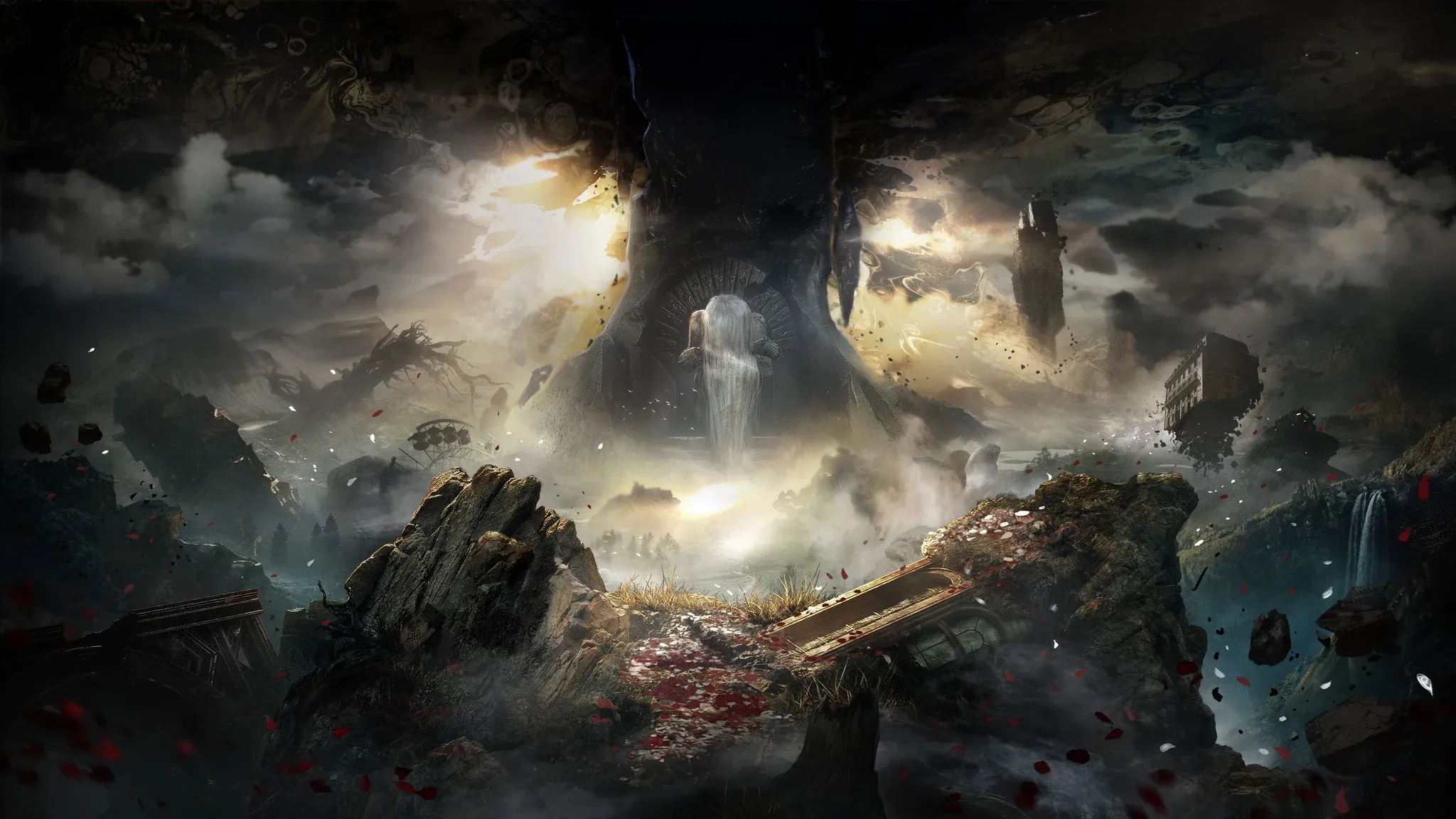
Here's the thing: Broche's design philosophy for Clair Obscur: Expedition 33 isn't open-world at all. The game uses a more structured world map with distinct regions, not a seamless sandbox. So his admiration for Breath of the Wild reads less as a direct influence and more as a statement of intent about what good design feels like, regardless of genre.
The idea that exploration should feel genuinely motivated by curiosity, not by waypoint fatigue, is something Sandfall clearly thought about. Whether you've already finished Expedition 33 or you're still working through it, our in-depth review breaks down exactly how that philosophy plays out across the full experience.
Broche's comments also fit a broader pattern of Sandfall's team being unusually candid about their influences and design thinking in public. For an indie studio that launched its debut title to widespread acclaim, that kind of transparency is refreshing.
If you're jumping into the game fresh or building out your party, the Expedition 33 strategy guides cover everything from character builds to unlocking late-game content, with the same depth the game itself demands.