
Football.Fun (FDF), a crypto-based fantasy football app built on Base, went live last week and immediately captured attention across social media. The platform blends fantasy sports mechanics with web3 trading, creating a system where players can build squads, compete in tournaments, and trade shares of real-world footballers. Early adopters have been vocal about their profits, and the buzz around the launch has been substantial.

Football.Fun Launches on Base
Pack Sales and Player Seeding
FDF kicked things off with a booster pack sale restricted to beta testers and users with high reputation scores. Each pack contained a randomized number of shares for a random footballer, with the chance to pull top-tier players from various leagues. The gacha-style randomness created the kind of anticipation that crypto communities tend to latch onto.
A livestream featuring influencers accompanied the pack opening phase, turning player reveals into a community event. The format leaned into the excitement of random draws and helped drive early engagement across the platform's user base.

Football.Fun Launches on Base
Marketplace Trading and Limited Releases
Not every player became tradeable immediately. FDF structured its release strategy by unlocking 10 players at a time, starting on August 13, with plans to continue rolling out batches until 100 players were available. This staggered approach created scarcity and gave early buyers a clear advantage—player values reportedly doubled or tripled shortly after marketplace trading opened.
The trading frenzy revealed quick-flip opportunities, prompting FDF to introduce "jeet jail" within days of the marketplace going live. The mechanism was designed to curb excessive short-term selling and stabilize the market.

Football.Fun Launches on Base
Tournament Launch and In-Game Economy
Shortly after the marketplace opened, FDF launched its first tournament. Participants earn two types of in-game rewards: Tournament Points (TP) and Skill Points (SP). TP can be spent on new packs, while SP allows users to promote players from the development squad or convert into TP.
Player contracts add another layer of resource management. Each contract expires after four games, requiring users to spend Gold—the app's stable in-game currency—to renew them and keep squads active. It's a design choice that forces ongoing engagement and strategic planning.
Football.Fun Launches on Base
Early Performance Metrics
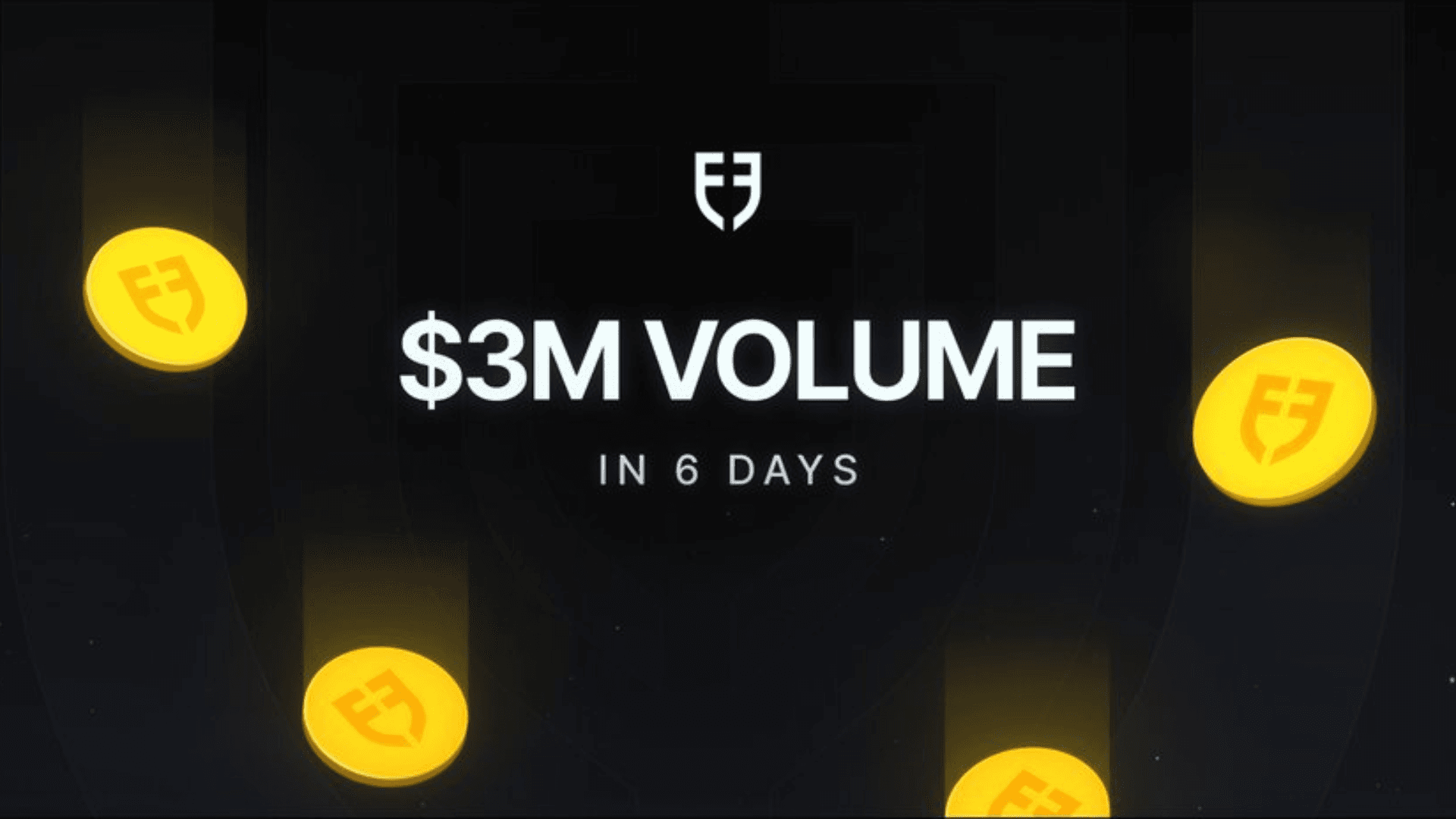
Two days after launch, Football.Fun hit $1.47 million in total marketplace volume. Less than a week later, that figure climbed to $2.7 million, placing FDF among the top-performing apps on Base by volume. The numbers point to strong user demand and suggest the platform has room to grow as more players and tournaments roll out.
Football.Fun's launch shows how web3 apps can merge entertainment, speculation, and community engagement into a single experience. With pack mechanics, marketplace trading, and tournament play all working together, FDF has quickly become a standout app on Base. The early marketplace volume reflects both user enthusiasm and the broader potential for web3-based fantasy sports platforms.