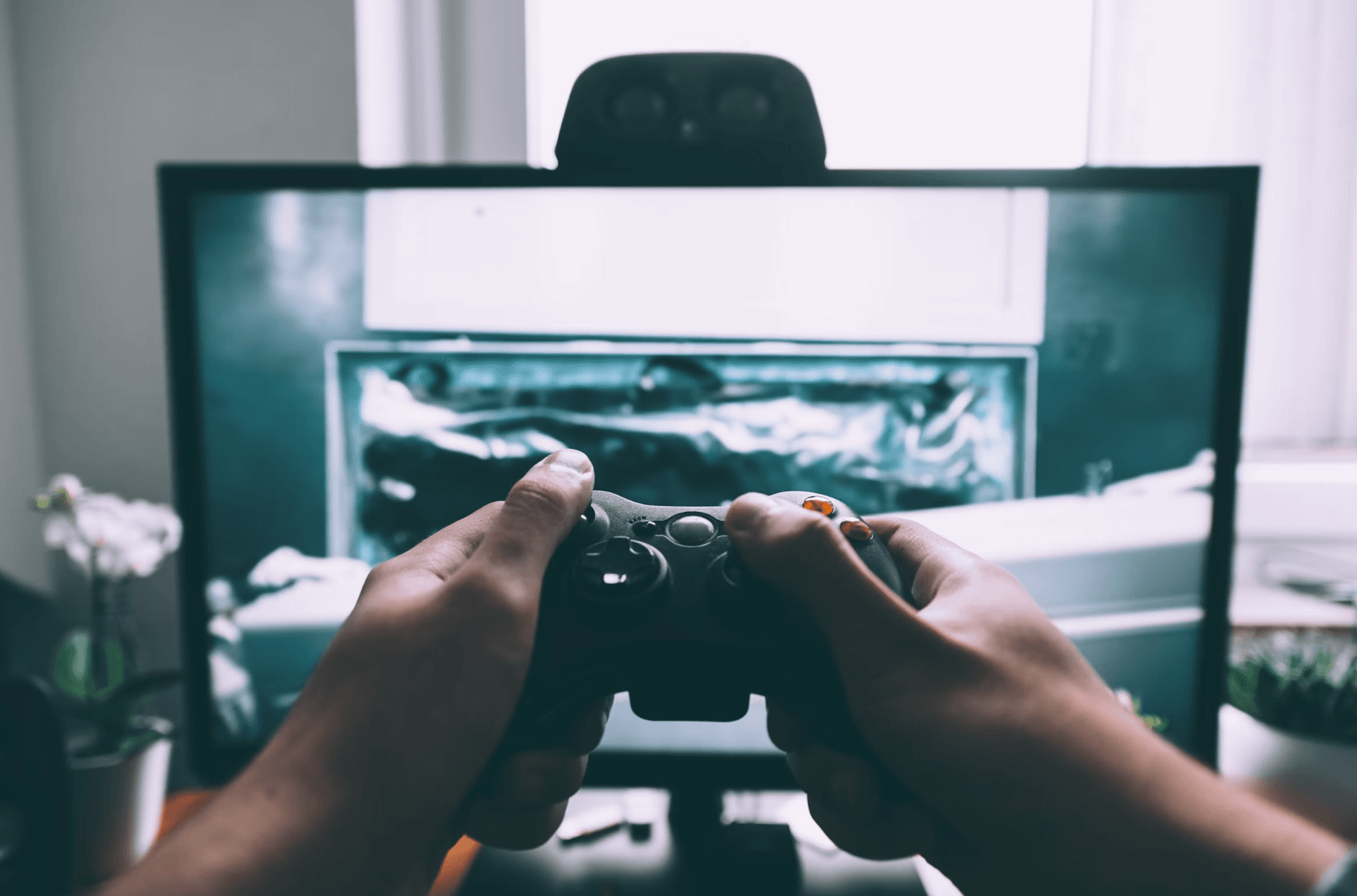

Crossing an international border can change the conditions around a gaming session long before a game is launched. A familiar game library may remain available, but an account's country, storefront, payment method, and license region can affect new purchases, redeemed content, and downloadable content.
A player's physical location is only one part of the setup. Account and storefront settings can remain tied to a home country even while the player is traveling, creating differences between accessing an existing library and purchasing new content.
This distinction is worth considering when planning travel with a gaming PC, console, or smartphone. A player preparing or reinstalling a gaming PC can buy Windows 11 product key for Windows activation, but that key is separate from game ownership and storefront access. Windows 11 activation uses either a valid digital license or a 25-character product key, and the installed Windows edition must match the license.

Use code TRYHARD33 at checkout to redeem this offer before code expires again.
Get 33% Off GAMES+ Subscription
Account Settings Can Outlast the Trip
Game keys can be legitimate when they come from authorized or legitimate sources, but buyers still need to check the platform, region, and listing details before purchasing. Eneba is a digital marketplace where players can browse and compare digital options. Verified merchants and product pages that provide regional compatibility and platform information can help players select a code that matches the account and store where it will be redeemed.
Steam illustrates the difference between traveling and changing an account's country. The platform generally keeps a user's store country and home-country pricing while that user is traveling. A permanent move or extended stay can allow a country change after a purchase has been made using a payment method from the new country. However, users who are simply traveling abroad cannot temporarily change their store country just to make purchases.
PlayStation Store content and services can also vary depending on the country or region. A PlayStation account's country or region cannot be changed after the account is created. PlayStation vouchers must match the account's country or region, while add-ons can be incompatible with a disc-based game if the disc uses a different country or region license.
Google Play follows a similar account-based approach for mobile content. Its selected country determines which apps, games, and other content are available through the store. Changing the country requires the user to be present in the new location and have a payment method from that country. Google generally also requires at least 90 days between country changes.
These rules highlight the difference between accessing an existing game library and purchasing something new while abroad. A player may continue to access games they already own but encounter restrictions involving vouchers, downloadable content, new purchases, or mobile storefront listings.
As a result, advice that applies to one gaming platform cannot necessarily be transferred to another. Steam, PlayStation, Google Play, and other services each have their own account, billing, regional, and licensing systems.
Device Licenses and Networks Stay Separate
Windows 11 provides another useful distinction for players traveling with a gaming PC. Microsoft associates a product key or digital entitlement with the Windows installation and the device's hardware configuration rather than with an individual game platform account.
A significant hardware change, such as replacing a motherboard, can require Windows to be reactivated. However, a Windows license does not grant access to games, change a user's storefront country, or override regional rules established by a game platform.
Network location adds another layer to gaming while traveling. Playing farther away from a game's servers can increase latency, while local matchmaking populations, server availability, and the quality of hotel or public Wi-Fi can also affect online multiplayer.
For players planning to spend time gaming abroad, checking the available connection before a session can provide a more realistic idea of what online multiplayer will be like. A stable connection does not necessarily mean low latency if the relevant game servers are located far away.
A short pre-trip check of the target platform, account country, game or voucher region, and device connectivity can help keep a travel gaming setup focused on the intended experience.
It also prevents players from treating an operating system product key as a shortcut around storefront restrictions. Windows activation and game licensing serve different purposes and are governed by separate systems.
Digital marketplaces such as Eneba also provide players with a place to browse options for games, gaming top-ups, and other digital products. Checking the platform and region before making a purchase remains important, particularly when the code is intended for an account being used while traveling.
Ultimately, gaming across borders is less about where a player is physically located and more about how the account, storefront, license, device, and network are configured. Understanding those separate layers before traveling can help avoid unexpected restrictions when it is time to play.