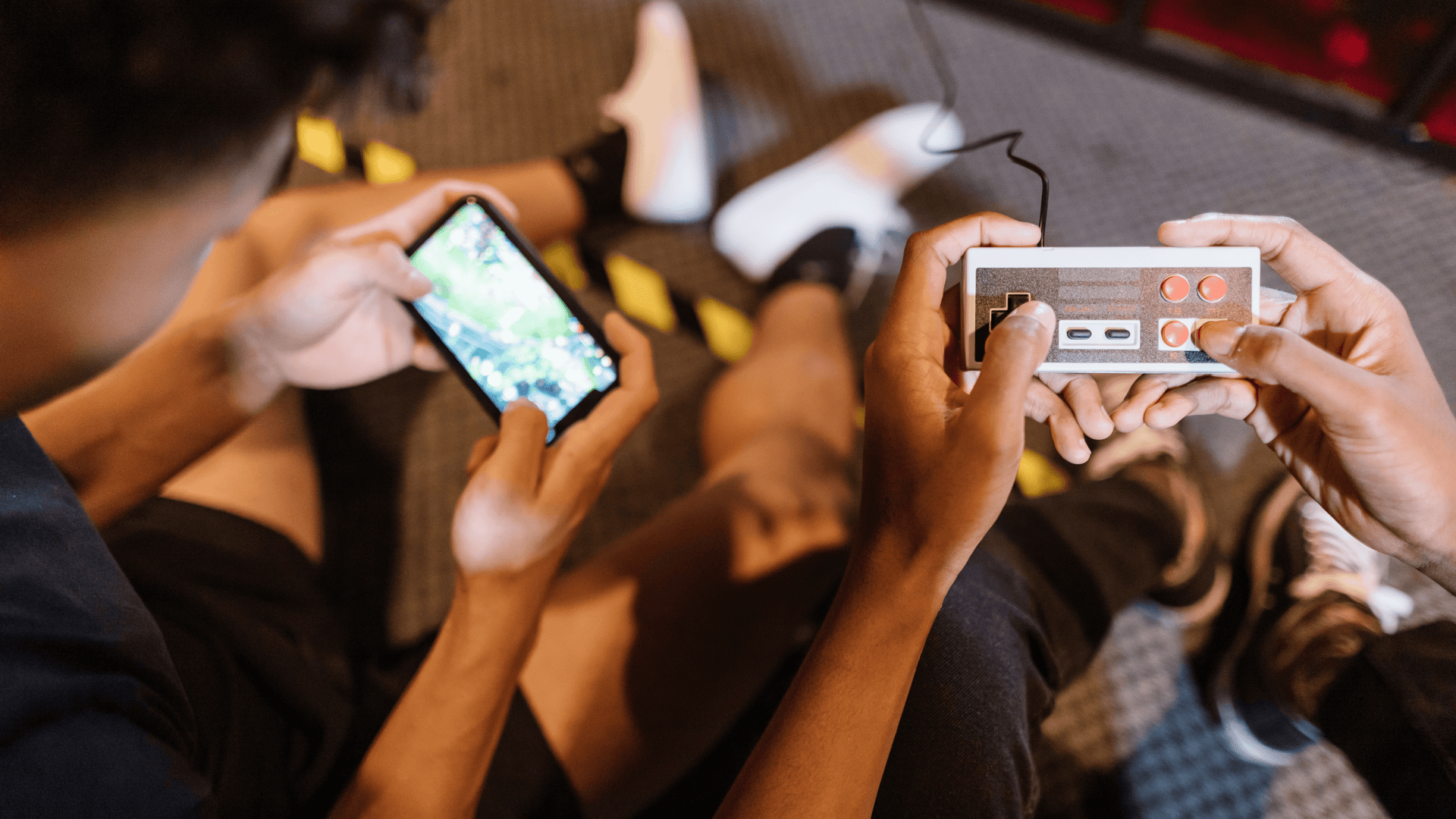


Gaming has shifted from a niche hobby to a mainstream daily routine for UK adults. New data from Dentsu's Ready Player Brand study reveals that 70% of UK adults now play video games regularly, with more than half logging in every single day. This isn't just about killing time — games have evolved into social hubs where people connect, compete, and hang out.
Players are also rethinking how they spend their screen time. One in four UK gamers plans to cut back on social media over the next five years to make more room for gaming. Meanwhile, 20% say they'll prioritize games over streaming TV shows and movies. Gaming is no longer competing for attention — it's winning.

Get 1-month GTA+ subscription with pre-order.
Pre-Order GTA 6 Now
Gaming and Personal Identity
For many players, gaming isn't just something they do — it's part of who they are. Around 52% of UK gamers say gaming plays a meaningful role in their identity. That number jumps to 60% among Millennials and hits 70% for Gen Z. Younger players especially see games as a space to explore and express themselves, not just a way to pass time.
Community and Real-Life Connections Through Gaming
Community is a big reason gaming keeps growing. Nearly half of UK players feel a genuine sense of belonging to communities built around their favorite games or franchises. For Gen Z, that figure climbs to almost three-quarters, and more than half say gaming has led to real-life friendships.
Flora Kong, managing director at Dentsu, pointed out that gaming has become "more than entertainment; for many, it is a place for community and friendship." Players are pulling time away from social media and streaming platforms, choosing games as a space for deeper, more meaningful interaction. That's a real shift in how younger audiences use digital platforms.
Looking Ahead for UK Gamers
The Ready Player Brand study makes it clear that gaming will keep expanding as a primary social and leisure activity in the UK. As players seek connection and community, traditional social media and streaming services may see engagement flatten or decline. The data also underscores how Gen Z in particular views games as both entertainment and a social space — a dual role that other platforms struggle to match.
Make sure to check out our articles about top games to play in 2026:
Best Nintendo Switch Games for 2026
Best First-Person Shooters for 2026
Best PlayStation Indie Games for 2026
Best Multiplayer Games for 2026
Most Anticipated Games of 2026
Top Game Releases for January 2026
Frequently Asked Questions (FAQs)
How many UK adults play video games?
Around 70% of UK adults play games regularly, with more than half playing daily.
Are UK gamers spending less time on social media?
Yes, roughly 25% of UK players expect to spend less time on social media over the next five years to make room for gaming.
Is gaming replacing streaming entertainment?
About 20% of players plan to prioritize gaming over streaming TV shows and films.
Do gamers feel part of a community?
Nearly half of UK players feel part of a community around their favorite game or franchise. That figure rises to almost three-quarters among Gen Z players.
Can gaming lead to real-life friendships?
Yes, more than half of Gen Z gamers report forming real-life friendships through gaming.
Does gaming influence personal identity?
Gaming plays a meaningful role in personal identity for 52% of UK players, with stronger connections among Millennials (60%) and Gen Z (70%).