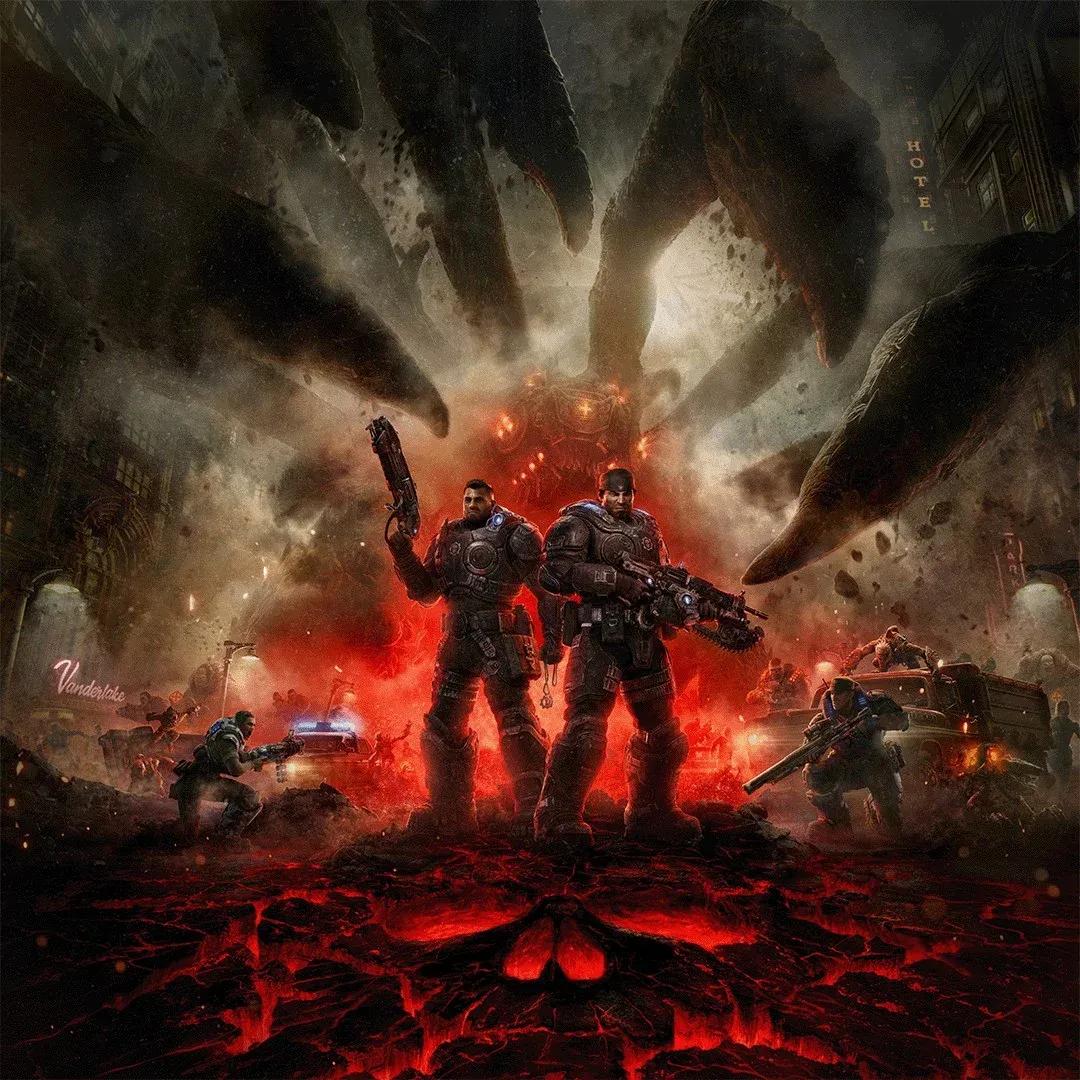

Here's the thing about Gears of War: E-Day and its launch numbers: the story looks completely different depending on which metric you lead with. Total premium copies sold? A modest 230,000 across Xbox and PC. Game Pass players? A staggering 1.7 million. Both figures come from the same analyst report, and both are technically correct. The gap between them tells you everything about where Xbox is right now.
What the raw numbers actually show
Analyst firm Alinea estimates that E-Day moved roughly 62,000 copies on Xbox consoles in its launch week following an October 1 release. Steam accounted for the remaining 168,000 of the 230,000 total premium sales, a figure broadly consistent with SteamDB ownership estimates of 171,000 to 195,000 at the time of writing. For a flagship Xbox exclusive from The Coalition, those Xbox retail numbers are hard to spin positively.
Alinea market analysis head Rhys Elliott put it plainly: "The $70 premium SKU is, functionally, dead on Xbox."
That is a pointed way to frame it, but the data backs the sentiment. Xbox console buyers made up less than 27% of total premium sales for one of Microsoft's marquee shooter games. The platform that's supposed to be E-Day's home delivered fewer buyers than a PC storefront where the franchise has historically had a smaller footprint.
The Game Pass layer that complicates everything
The 62,000 figure doesn't capture the full picture, and Elliott is careful to say so. An estimated 1.7 million players accessed E-Day through Xbox Game Pass, which is the kind of reach a standalone $70 purchase simply cannot generate. More meaningfully, around 722,000 of those Game Pass subscribers also paid for E-Day's premium upgrade tier on top of their existing subscription.
"So '230K copies' undersells the paying audience," Elliott writes. "Including the 722K upgrades, nearly 950K people actually paid something for E-Day."
Total estimated revenue lands at approximately $37 million when those upgrade purchases are factored in. That changes the narrative considerably, though it doesn't fully resolve the tension between subscription reach and direct sales value.
The cannibalization debate that won't go away
Circana games analyst Mat Piscatella pushed back on the framing that Game Pass simply eats into what would otherwise be direct sales. "It isn't straight cannibalism if a person paying for Game Pass plays an offered game through the service," he noted publicly, and the point holds. You can't assume every one of those 1.7 million Game Pass players would have bought the game at $70 in a world without the subscription tier. Some fraction would have, most probably wouldn't.
The more honest question is how many of those players subscribed to Game Pass specifically because E-Day was available on day one, and what portion of that subscription revenue Microsoft attributes back to the game. That math is invisible from the outside.
Microsoft's own history here is complicated. The company removed new Call of Duty titles from Game Pass day-one offerings earlier this year, a quiet acknowledgment that the subscription model has limits even for its biggest properties. E-Day went the other direction, launching directly into Game Pass on release day, and the 62,000 Xbox purchase figure is the predictable result.
The PS5 question hanging over all of it
E-Day was reportedly close to a finished PS5 port before Microsoft reversed course and kept it console-exclusive to Xbox. That decision now looks even more consequential. Steam's 168,000 buyers suggest genuine PC appetite for the franchise, and a PlayStation release would almost certainly have added a comparable or larger audience that has no path to Game Pass.
For players already in the Game Pass ecosystem, the Gears of War: E-Day beta guide covers access requirements and what to expect from the experience. Those chasing completionist goals can find every unlock condition in the E-Day beta rewards guide.
The Coalition delivered a well-regarded entry in one of Xbox's most recognizable shooter franchises. Whether Microsoft's subscription strategy gave that game the commercial foundation it needed is a separate question, and one the 62,000 Xbox sales figure keeps forcing back to the surface.