The team behind the web3 game Gigaverse recently published a detailed breakdown of the platform's first 111 days, titled "111 Days of Gigaverse." The report tracks player numbers, revenue, and development milestones achieved without paid promotions or marketing agencies. Growth has been driven by community engagement and a steady rollout of new features.
Player Growth and Platform Activity
Since launch, Gigaverse has registered 73,500 users. Entry required an upfront payment of around $10, which didn't slow early adoption. Weekly active users peaked at 40,000, indicating strong engagement during the game's opening months.

Gigaverse Hits $3M Revenue and 73k Users

Revenue Generation and Item Sales
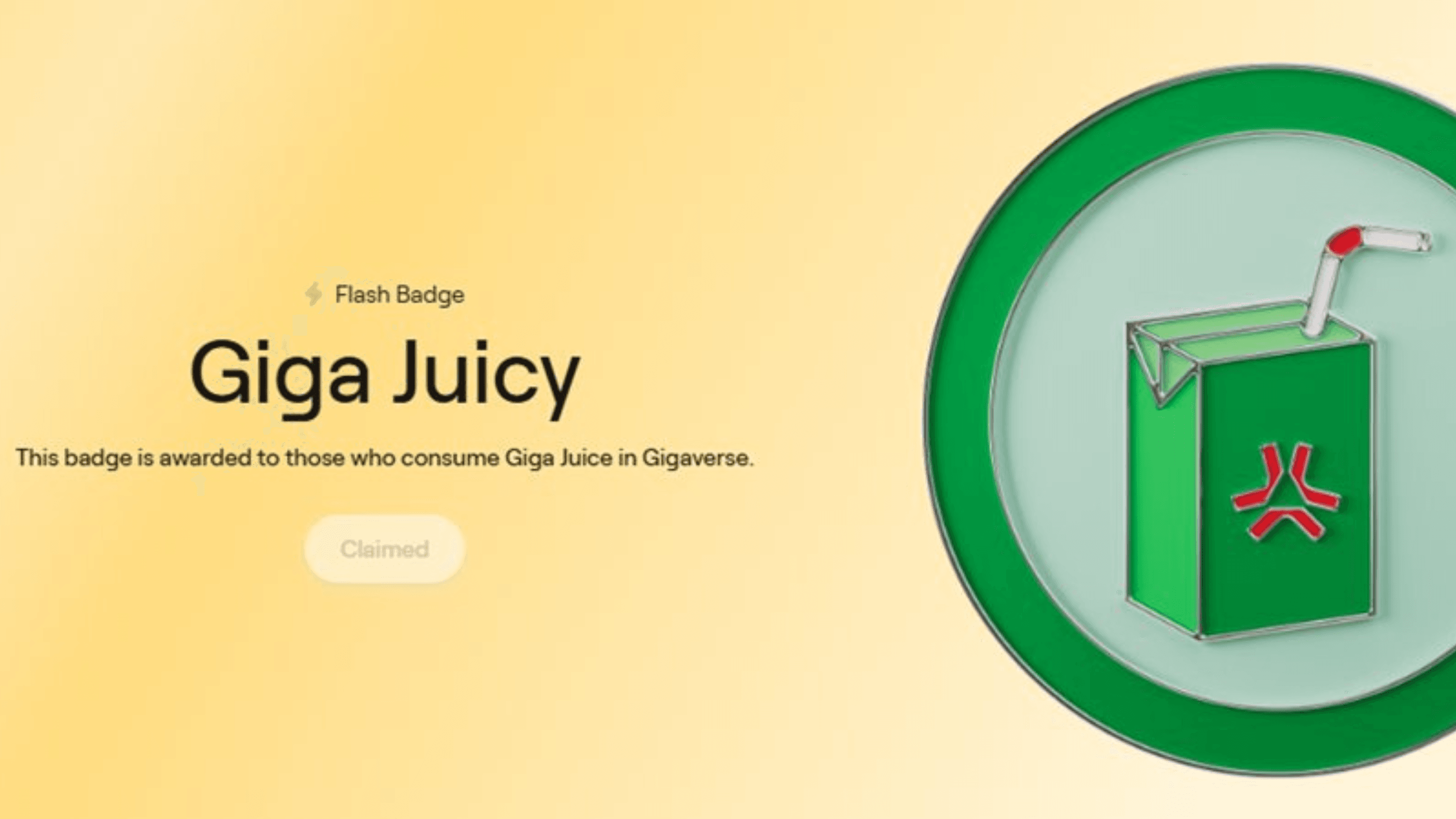
The first three months generated $1.5 million in revenue, excluding proceeds from the ROM mint. Most of that came from Giga Juice purchases and player sign-ups. Giga Juice functions as both an in-game boost and a VIP subscription, available in four duration tiers. Players bought 27,500 units of Giga Juice during this period. In March, a ROM mint brought in another $1.5 million from 10,000 units sold at $150 each.
Total earnings over 111 days hit roughly $3 million. Players completed 1.5 million item sales, including 140,000 unique trades and $250,000 in trading volume. Within 48 hours of launch, the in-game marketplace recorded fifteen times the trading volume of Magic Eden. The team interprets this as proof that integrated marketplaces drive more transactions than external platforms.

Gigaverse Hits $3M Revenue and 73k Users
Game Features and Development Strategy
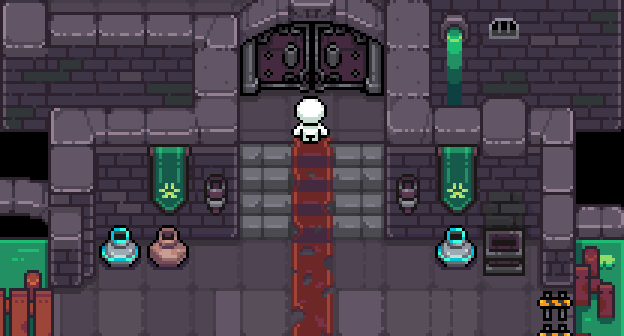
Gigaverse added several systems over three months: crafting, gear progression, an incentivized referral program, and a new dungeon. Quality-of-life updates and the Giga Juice system also went live during this window. Most recently, a casual fishing mini-game was introduced to diversify gameplay.
The developers plan to keep adding mechanics that demand different skills and approaches. Their strategy centers on building a core loop, testing it with the community, and scaling based on feedback. They've adopted a rapid iteration model similar to other projects like Fishing Frenzy, prioritizing experimentation over long development cycles.

Gigaverse Hits $3M Revenue and 73k Users
Role of Community and Marketing
Gigaverse skipped traditional marketing entirely. No budget went to influencers or promotional agencies. Instead, the team leaned on early community-building through the GL:HF community and direct founder engagement. This community-first approach has been the primary driver of growth.
Community members have also contributed analysis of in-game systems. One player noted that the XP and badge system from Abstract likely boosted Giga Juice sales. The theory is that players buy when they see XP rewards outweighing their in-game costs, suggesting economic incentives influence purchasing decisions.

Gigaverse Hits $3M Revenue and 73k Users
Future Vision and Platform Strategy
Gigaverse is building a modular platform for on-chain experiences, which the team describes as a "universe of universes." An open API and partner integrations support in-game agents and external collaborations, offering flexibility for expansion.
Long-term plans involve evolving into a large-scale social MMO. Recent feature additions and ongoing content updates support this direction. The team remains committed to a lean, agile development process that allows quick adjustments based on player behavior.
Gigaverse's early results offer a blueprint for other web3 developers. Its focus on embedded systems, player-driven growth, and iterative design shows that crypto-native games can scale without heavy external promotion. As the project grows, it may provide further lessons on sustainable strategies in the blockchain gaming space.