

Google has reportedly placed an order for at least 3 million chips from Intel Foundry, with delivery expected in 2028. The reason? TSMC, the world's dominant semiconductor manufacturer, is essentially sold out.
This is a big deal for Intel, a company that has spent the last couple of years trying to claw back relevance in a market that largely moved on without it. The fact that one of the biggest tech companies on the planet is turning to Intel Foundry for production capacity says a lot about where the chip supply situation currently stands.
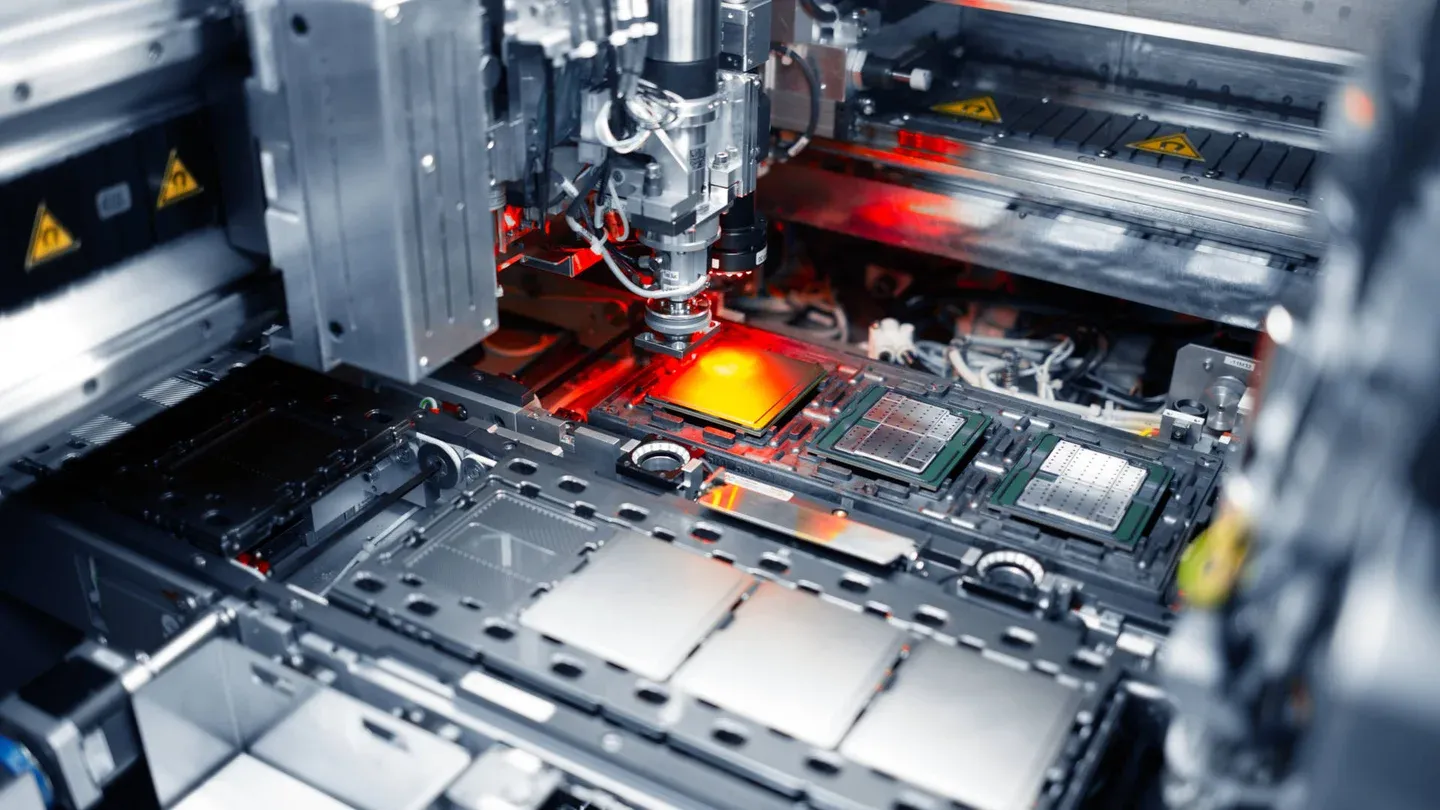
Intel Foundry ramps production

Use code TRYHARD33 at checkout to redeem this offer before code expires again.
Get 33% Off GAMES+ Subscription
Why Google is looking beyond TSMC
The chips in question are TPUs (Tensor Processing Units), Google's custom-designed silicon built specifically for neural network workloads. These aren't gaming chips in the traditional sense, but they power the AI infrastructure that increasingly touches everything from cloud services to the tools developers use to build games.
Google is reportedly targeting production of more than 6 million TPUs across 2027 and 2028 combined. That volume alone explains why a single manufacturer can't absorb the full order. TSMC is reportedly booked solid through at least 2028, with even its next-generation Arizona fab already at full capacity before construction is complete.
Here's the thing: TSMC's backlog didn't appear overnight. Nvidia is now the company's single largest customer, having overtaken Apple, and the demand for AI accelerators has compressed available fab time across the entire industry. When the biggest buyer in the room needs more and more wafers every quarter, everyone else has to find alternatives.
Intel Foundry's unexpected window
For Intel, this is the kind of opportunity that doesn't come around often. The Foundry business has been a long and expensive bet, and it hasn't always looked like it would pay off. But a capacity crunch at the competition creates real demand for a credible second source, and Intel is positioning itself as exactly that.
The Google order isn't the only signal pointing in this direction. Nvidia is also reportedly evaluating Intel's manufacturing capabilities for its next major GPU architecture, currently codenamed Feynman. That project is described as combining four graphics chips into a single unit, which is an ambitious design that would require serious fab capacity. If Intel lands even a portion of that contract, the Foundry's foothold in high-performance compute becomes significantly more concrete.
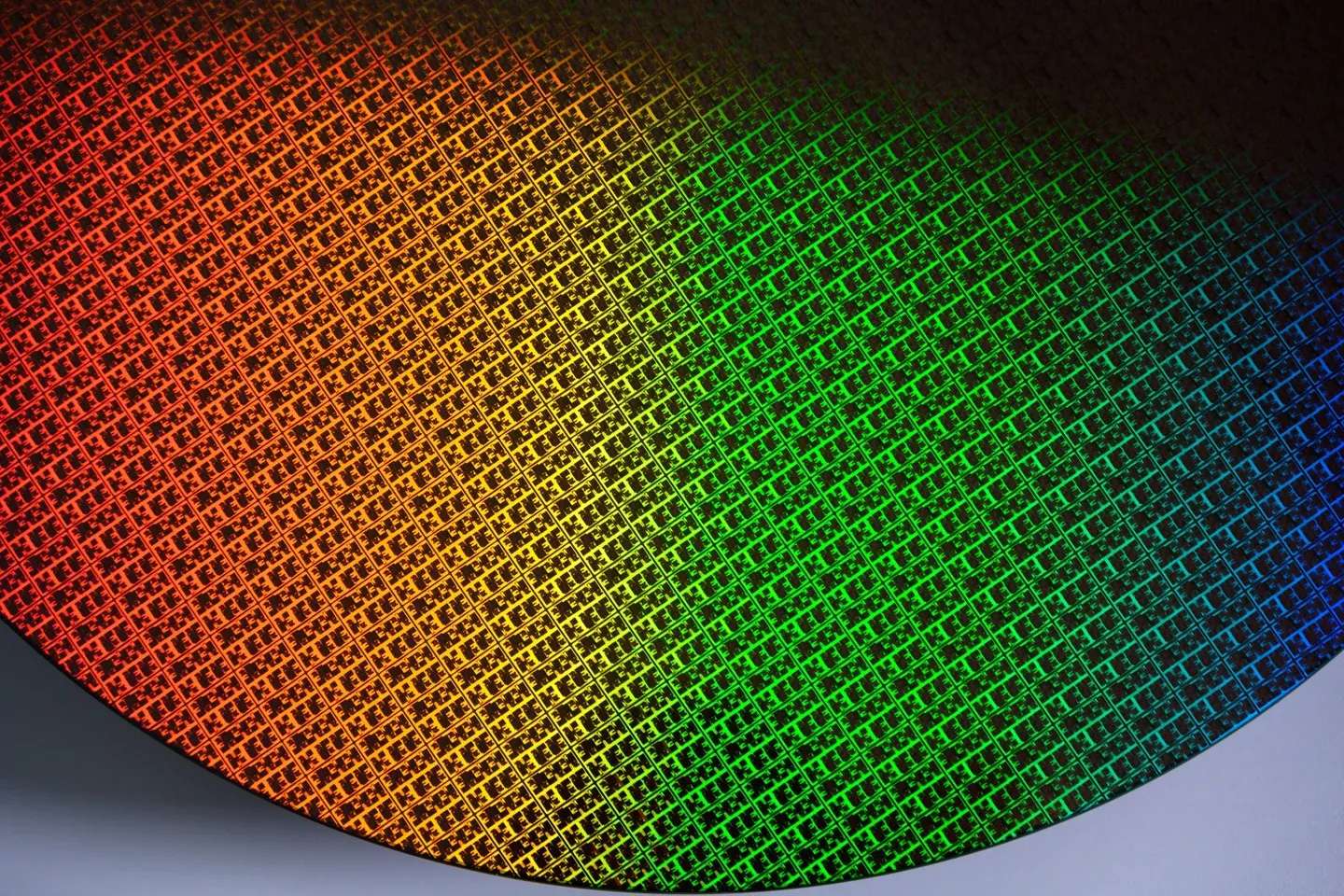
Intel 18A node wafer
The supply crunch hitting closer to home
For gamers, the immediate concern isn't TPUs. But the same capacity squeeze driving Google toward Intel is the reason RAM and storage prices have been climbing. AI infrastructure demands enormous quantities of high-bandwidth memory, and that pulls resources away from consumer-grade components. The ripple effects are real and they show up in the price of every upgrade you've been putting off.
Intel is also reportedly moving forward with a $3.3 billion manufacturing facility in India, targeting production of base substrates for its next generation of chips. TSMC, meanwhile, committed to a $100 billion US investment plan that includes three new fabs. Both companies are clearly betting that AI demand isn't a short-term spike.
The key here is that none of this capacity comes online quickly. Fabs take years to build and qualify. Google's 2028 delivery window isn't aggressive, it's realistic given where the industry is right now.
For anyone keeping an eye on PC hardware pricing or next-gen GPU availability, the Intel Foundry story is worth following. Check out our game reviews for the latest takes on what current hardware can actually do, and our gaming guides for help getting the most out of what you already own while the supply chain sorts itself out.