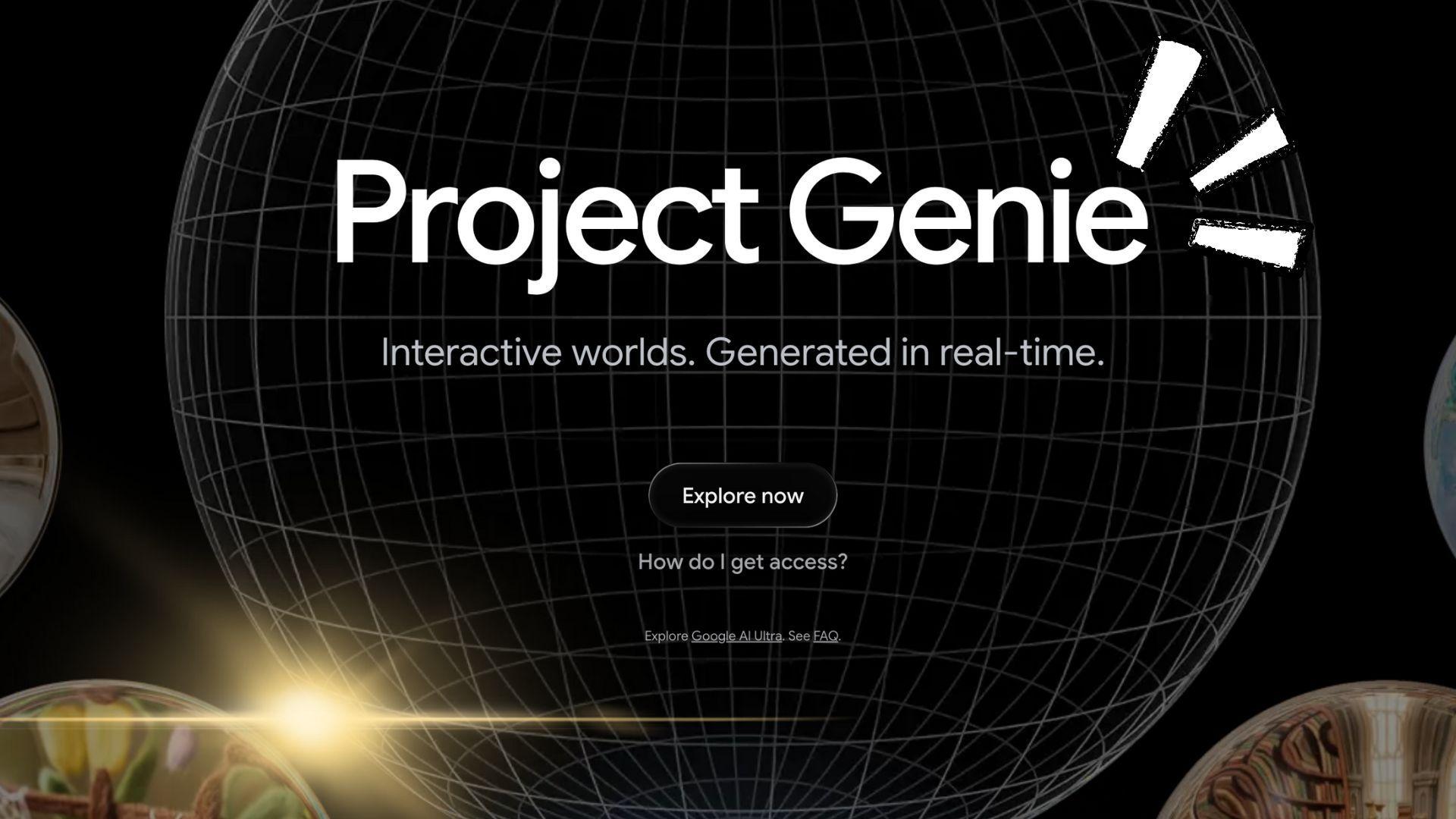

Major gaming stocks took a beating after Google opened Project Genie to U.S. subscribers of Google AI Ultra. The AI-powered tool lets users type prompts or upload images to generate brief interactive virtual environments. Players can explore these spaces in first-person or third-person view, though each generated world lasts just 60 seconds.
Take-Two Interactive dropped 7.9%, Roblox fell roughly 13.2%, and Unity plummeted 24.2%. Capcom shares declined 7.4% in the days after the announcement. EA and Ubisoft avoided the selloff, though Ubisoft has dealt with separate volatility tied to its recent restructuring moves.
Developers say AI worlds miss the point
Project Genie shows off technical progress, but industry veterans say it's nowhere near replacing actual game development. Storygrounds CEO Andrew Green thinks the market freakout came from investors who don't understand how games work. Rendering a space is one thing. Building gameplay is another. Games need physics systems, economies, progression hooks, narrative structure, and social mechanics. Green says AI prompts can't handle that complexity yet. He sees Project Genie as directionally interesting but not a threat to studios.
Unity CEO Matthew Bromberg tried to calm investor nerves by framing AI-generated worlds as a development aid, not a replacement. Unity already uses AI to convert visual input into game scenes, which developers then polish with traditional tools. Bromberg thinks AI-generated interactive video could speed up prototyping and early content creation, but it won't ship commercial games on its own.
Wall Street doesn't get game development
Ubisoft production director Yoni Dayan says the stock crash reveals a disconnect between investors and reality. When a 60-second demo can wipe billions off valuations, it shows that financial markets are pricing in AI hype rather than actual production risk. Dayan stresses that making games worth playing takes years of design and iteration, work that AI can't do yet.
Gossamer Consulting Group principal Eric Kress isn't buying the panic either. He points to Google's track record in gaming: Stadia flopped, YouTube Gaming never took off. Kress thinks AI-generated worlds might affect user-generated platforms like Roblox or Unreal Editor for Fortnite (UEFN), but AAA studios have nothing to worry about. Google's organizational culture and expectations have consistently hampered its gaming ambitions.
What Project Genie actually does
Project Genie is a demo tool, not a game engine. It has potential for prototyping, creative experiments, and early-stage design work, including web3 applications. But the technology is limited by short durations, inconsistent stability, and shallow interactivity. It can't replace the structured pipelines and production workflows that commercial games require.
Developers agree that AI will become a productivity tool, helping teams iterate faster and generate assets more efficiently. Project Genie might hint at future workflows, but it doesn't replace the systems, design, and production infrastructure needed to ship real games.
Bottom line
Google's Project Genie triggered a conversation about AI in game development and temporarily hammered gaming stocks. The technology shows promise for research and experimentation, but experts emphasize that meaningful games depend on design and development processes AI can't replicate yet. Project Genie is a step forward in AI research, not an existential threat to game studios or the industry.
Make sure to check out our articles on gaming gadgets:
Best Apple Products for Gaming
Best Nintendo Switch Accessories
Best Gaming Androids (phones)
Frequently Asked Questions (FAQs)
What is Google Project Genie?
Project Genie is Google's AI tool that generates 60-second interactive virtual worlds from text prompts and uploaded images.
Which gaming companies were affected by the Project Genie announcement?
Take-Two Interactive, Roblox, and Unity saw significant stock declines. Capcom dropped moderately. EA and Ubisoft were mostly unaffected.
Can Project Genie create full commercial games?
No. The tool generates short experimental spaces and can't replace the systems, design work, and production pipelines that commercial games require.
How are experts reacting to Project Genie?
Industry professionals see it as useful for prototyping and experimentation, but they don't think it threatens established studios. They point out that game design involves complexity AI can't handle yet.
Could Project Genie impact web3 or user-generated content platforms?
Possibly. AI-generated worlds might help with content creation and prototyping on platforms like Roblox or Unreal Editor for Fortnite (UEFN), but they won't replace premium AAA games.
Will AI replace game developers?
Not yet. AI is expected to assist with workflows, boost productivity, and help create assets. It can't replace human developers or the design and iteration processes that professional games need.