
"We have to create a gameplay experience that live-service mobile games wouldn't be able to replicate." That's Junzo Hosoi, producer on Atelier Karia: The Night Kingdom & the Guide of Memories, laying out exactly what's at stake for Gust as the studio prepares what it's calling a "huge transitional period" for the Atelier franchise. The game is a direct sequel to Atelier Resleriana: The Red Alchemist & the White Guardian and is targeting an early 2027 release across PC (Steam), PlayStation 5, Xbox Series X|S, and Nintendo Switch 2.
Competing with Genshin and the monthly character machine
Hosoi is candid about the pressure. When Gust was building the Atelier Ryza trilogy, games like Genshin Impact hadn't yet reshaped the industry's expectations around character presentation and live content cycles. Now, major live-service titles push out new, attractive characters every single month, and they can afford to go niche with those characters because the pipeline never stops.
Here's the thing: Gust can't win that race. Hosoi knows it. His answer isn't to abandon visual appeal (he jokes, to laughter in the room, that Gust absolutely still wants to rely on its visuals) but to build something on top of it. The goal for Atelier Karia is to earn a reputation where players say Gust's games offer an amazing gameplay experience, not just a pretty one.
Director Taiki Fukui points to Valheim and Subnautica as specific reference points. Both games expand the player's range of actions meaningfully when they reach new biomes, and Fukui admits Atelier Yumia didn't fully deliver on that kind of progression. Atelier Karia is designed so that entering a new region genuinely unlocks things you couldn't do before.
What "dynamic" actually means in practice
Hosoi gets specific about what a full-price console RPG can do that live-service titles structurally can't. Asset management on mobile and live-service platforms limits how dramatically a game can shift the player's situation mid-story. On console, you can design experiences where the narrative makes irreversible changes, where player choices fork meaningfully, where the world you're playing in at hour 30 feels substantively different from hour 5.
He name-drops Skyrim and Baldur's Gate 3 as benchmarks, titles where two players can have substantially different experiences in both content and emotional weight. That's the bar Gust is now aiming for.
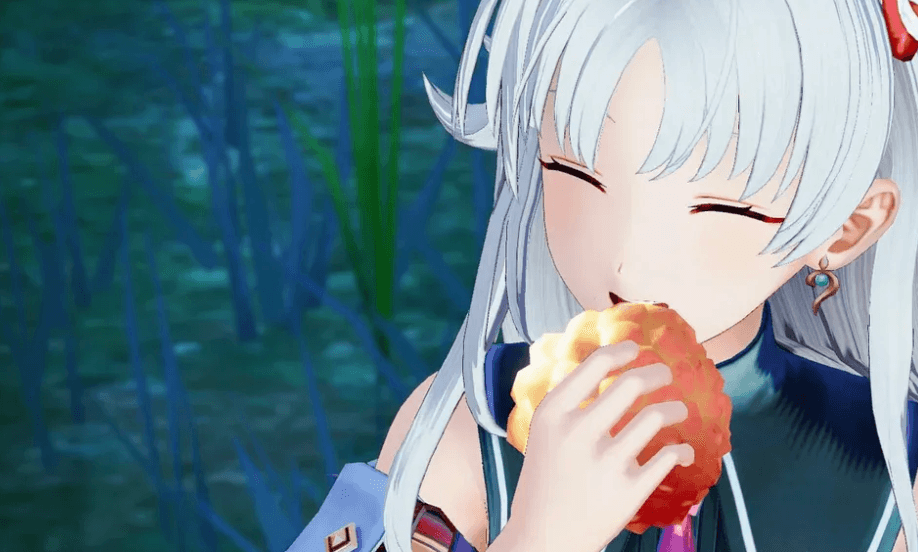
Some of what's already in development for Atelier Karia: a mechanic where eating meals affects your character's physical appearance and body type (not just stats), a building system that integrates into large-scale combat rather than sitting as a standalone feature, character-specific endings, and story branching. Hosoi notes these are still in testing, but the direction is clear.
A new dev structure built for bigger ideas
The ambition required a structural change inside Gust itself. Fukui describes a shift away from a strict top-down development model toward one where team leaders take ownership of their sections, submit proposals, and clash over competing ideas openly. The person running the combat system and the person running the meal system now actively exchange ideas, which is how you end up with a mechanic where food affects your character's body rather than just a status bar.
Fukui says the team has responded well. Even in the final, hectic stretch of development, the atmosphere is one of "we're going to complete this project" rather than just grinding through a spec sheet. For a studio that was smaller and more generalist during the early Ryza years, managing that energy at a larger scale is its own challenge.
Building community before launch
Gust also launched a new official English-language social media account alongside the Atelier Karia announcement, and Hosoi is emphatic that the feedback loop it's meant to create is genuine. He points to player feedback on Atelier Yumia as "amazingly accurate" and personally agreed with much of it. The studio's culture, he says, has always been rooted in listening to players, including the painful feedback.
The plan is to use that community channel actively during development, not just as a post-launch support tool.
For players who want to get ahead on the series before Atelier Karia lands, the guide collection for Atelier Resleriana covers the previous entry in depth. And if you're looking for broader coverage of adventure games in the same vein, there's plenty to work through before early 2027 arrives.