
The gaming industry loves to chase instant gratification. Flashy explosions, rapid-fire loot drops, dopamine hits every 30 seconds. Here's the thing, though: some of the most satisfying experiences in gaming come from slowing down, reading the room, and earning your wins the hard way.
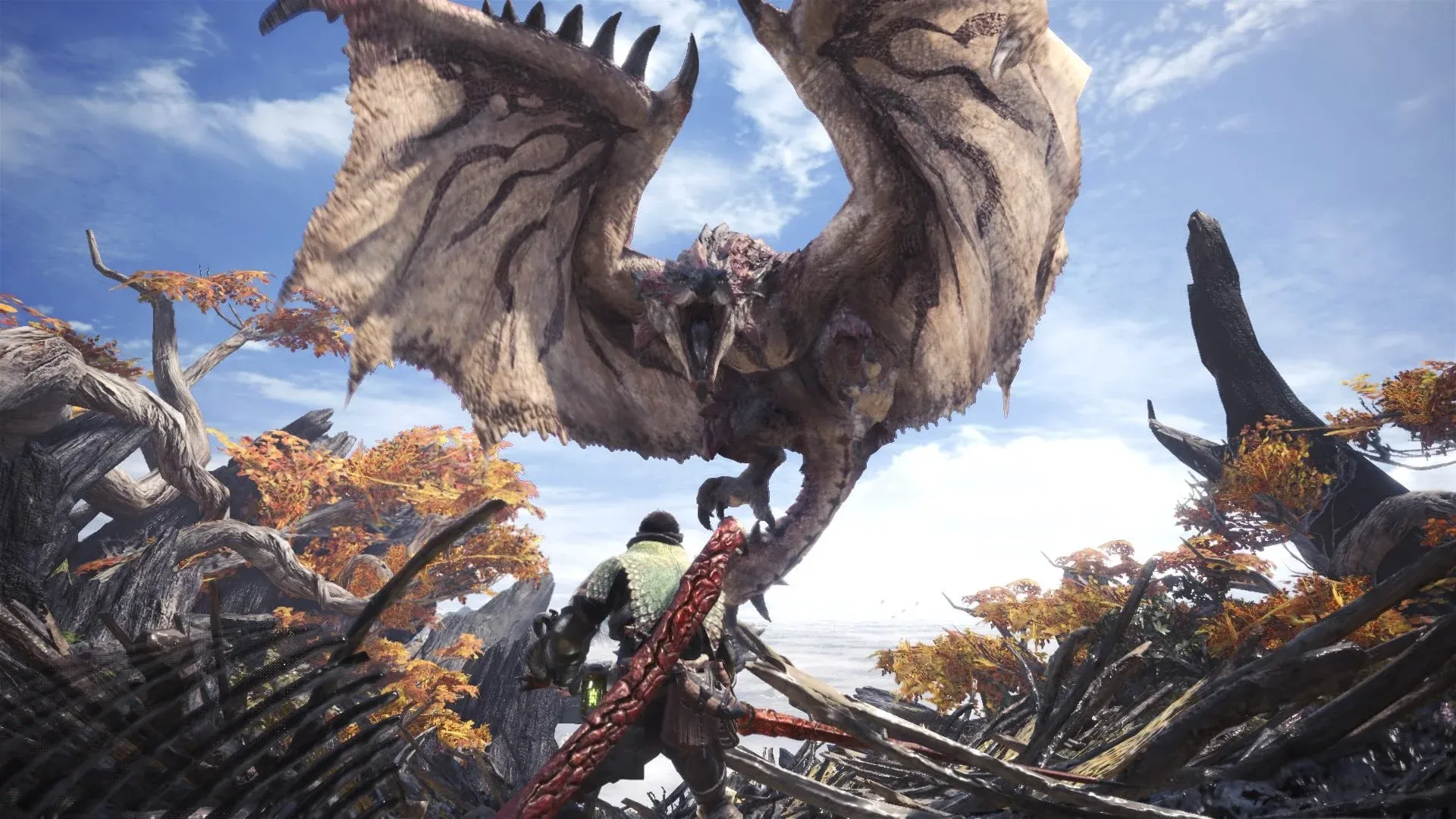
A recent roundup of games that genuinely reward methodical play puts Minecraft and Monster Hunter: World at the center of a broader conversation about patience as a skill. The full list of 10 spans genres from precision platformers to grand strategy, and it makes a compelling case that slow-burn design never really went anywhere.

Use code TRYHARD33 at checkout to redeem this offer before code expires again.
Get 33% Off GAMES+ Subscription
Why the slow burn still works
The list opens with Sniper Elite, a series that dates back to the PlayStation 2 era and still demands players account for wind, elevation, and bullet drop before pulling the trigger. That kind of environmental awareness is a world away from the run-and-gun rhythm of most shooters, and it's exactly what makes a clean kill feel earned rather than lucky.
Super Meat Boy sits at the opposite end of the speed spectrum but demands the same obsessive precision. Every wall jump and mid-air redirect has to land exactly right, or a buzzsaw ends the run instantly. The game offers almost no margin for error, which is why clearing a brutal level after dozens of attempts hits harder than most boss kills in bigger-budget titles.
Then there's Europa Universalis 4, which operates on a completely different timescale. True mastery here takes dozens of hours just to understand the interface, let alone bend history to your will. The payoff, leading a minor nation to continental dominance across centuries of simulated time, is the kind of thing players talk about for years.
The games that define the list
Monster Hunter: World earns its place by making the preparation as meaningful as the fight itself. Learning a monster's patterns, upgrading gear to cover weaknesses, and reading the terrain before the encounter begins, that's the real game. The hunt is just the exam at the end. The series has shipped over 100 million units lifetime, and the methodical loop is a big reason why the fanbase keeps coming back.
Minecraft represents a different kind of patience entirely. Survival Mode pits players against enemy hordes and an eventual Ender Dragon encounter, but the Creative Mode argument is arguably stronger. Building enormous, block-by-block recreations of real-world landmarks with no reward beyond the finished product is a specific kind of satisfaction that very few games can replicate. If you want to push what Minecraft's systems can actually do, the best Minecraft mods available right now expand that creative ceiling considerably.
Ghostrunner makes the list as the most kinetic entry, a one-hit-kill parkour game where dying repeatedly is the actual tutorial. Memorizing enemy positions and movement paths through the Dharma Tower is mandatory, not optional. Players who treat it like a reflex test wash out quickly. Players who treat it like a puzzle with a time limit start to thrive.
The precision ceiling and what it demands
Ikaruga might be the purest expression of the precision argument on the entire list. The polarity mechanic, switching between black and white energy to absorb matching bullets while becoming vulnerable to the opposite color, sounds simple until the screen fills with projectiles moving in multiple directions simultaneously. High scores require destroying enemy groups in a specific order to chain attacks optimally. That's not twitch skill. That's pattern recognition and planning executed under pressure.
Wo Long: Fallen Dynasty from Team Ninja rounds out the action side of the list. Its parry-and-counter system borrows heavily from Sekiro's deflect rhythm, and players who refuse to go on the offensive get punished for it. The game is notably less brutal than its inspirations, but it still demands the kind of focused engagement that most action games don't ask for. A sequel is currently in development and expected sometime in early 2027.
Trials Rising, The Witness, and Twelve Minutes complete the 10, each demanding a different flavor of patience. Trials Rising rewards track memorization and throttle control. The Witness hands players a mysterious island and trusts them to figure out its puzzle logic without a hint system. Twelve Minutes loops a 12-minute scenario until players understand every variable well enough to break the cycle.
What this means for how games get made
The fact that this list pulls from multiple decades of releases, PS2-era Sniper Elite, 2010s classics like Ikaruga and The Witness, and more recent entries like Ghostrunner and Wo Long, tells you something important. Patience-rewarding design isn't a trend that peaked and faded. It's a consistent thread running through games that players remember long after the credits roll.
The bigger games industry has spent years chasing engagement metrics and session length through quick rewards. These 10 titles push back on that by making the player do the work first. The reward lands harder because it wasn't handed over.
For players who want to dig further into games that respect their time and intelligence, the gaming guides hub is a good place to find deep-dives on the titles that actually deserve that kind of attention.