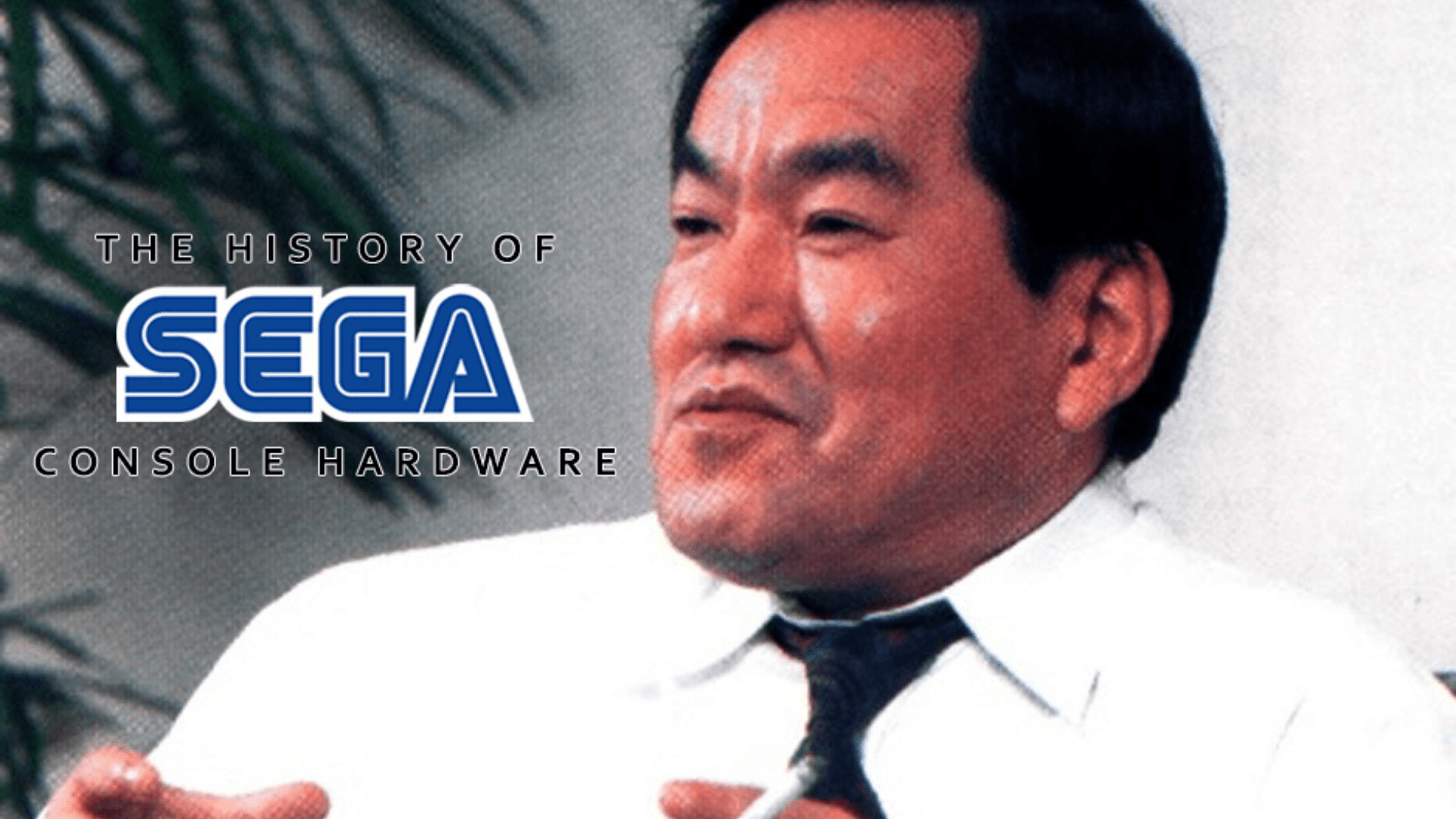


Hideki Sato, the architect behind Sega's most iconic hardware, died on February 13, 2026. He was 77. Sato spent decades at Sega, steering the development of consoles that defined the company's identity from the SG-1000 through the Dreamcast. His engineering decisions shaped how Sega competed during the fiercest years of the console wars and left a permanent mark on home gaming hardware.

From arcade machines to home consoles
Sato started at Sega in 1971, back when the company built arcade cabinets and electronic novelties. He watched Sega evolve into a major console manufacturer and helped drive that shift himself. His fingerprints are on the SG-1000, Sega's first home console, and the Master System, which represented Sega's earliest serious attempt to challenge Nintendo in living rooms. By the late 1980s, Sega needed someone who could translate arcade performance into a home product that felt premium.
In 1989, Sato became director of Sega's R&D division. The timing mattered. Nintendo's NES had dominated for years, and Sega needed hardware that could match arcade quality while undercutting Nintendo's grip on the market. Sato's team had to build something that looked, sounded, and played better than anything available at the time.
The Genesis and Sega's 16-bit gamble
Sato led development on the Mega Drive, which launched in Japan in 1988 and reached North America as the Genesis. The console prioritized speed and visual punch. Sato later noted that even small design choices, like the gold lettering on the console's shell, drove up manufacturing costs but reinforced the system's premium positioning. The Genesis beat the Super Nintendo to market by two years in North America, giving Sega a head start that translated into real market share.
The Genesis established Sega's hardware philosophy for the next decade: fast, loud, and designed to feel closer to arcade cabinets than toy boxes. Sato's engineering choices gave Sega the foundation to compete directly with Nintendo on technical grounds.
Saturn, Dreamcast, and the end of an era
Sato stayed at the helm for Sega's next two systems. The Saturn introduced CD-based media and early 3D rendering, though it struggled against the PlayStation and Nintendo 64. Sales were mixed, but the Saturn demonstrated Sega's willingness to experiment with new technology even when the market wasn't ready.
The Dreamcast became Sato's final console project. It launched with built-in internet connectivity and a library that still has dedicated fans. The Dreamcast didn't save Sega's hardware business, but it represented everything Sato had worked toward: arcade-level performance in a home system with features that pushed the industry forward.
What Sato left behind
Sato's work went beyond individual consoles. He defined how Sega approached hardware design, balancing technical performance with visual identity and user experience. His systems influenced how other manufacturers thought about power, aesthetics, and the relationship between arcade and home gaming. Sega's hardware era ended, but the design principles Sato championed didn't.
Japanese gaming publication Beep21 had been preparing a book on Sato's contributions to Sega's hardware legacy. His death comes less than two months after Sega co-founder David Rosen passed away in December 2025, marking the loss of two figures who shaped the company's history.
Make sure to check out our articles about top games to play in 2026:
Best Nintendo Switch Games for 2026
Best First-Person Shooters for 2026
Best PlayStation Indie Games for 2026
Best Multiplayer Games for 2026
Most Anticipated Games of 2026
Top Game Releases for January 2026
Frequently Asked Questions (FAQs)
Who was Hideki Sato?
Hideki Sato was Sega's director of hardware R&D and the lead engineer behind the SG-1000, Genesis, Saturn, and Dreamcast. He's often called the "Father of Sega Hardware" for his role in defining the company's console strategy.
Which consoles did Hideki Sato develop?
Sato worked on the SG-1000, Master System, Mega Drive (Genesis), Saturn, and Dreamcast.
When did Hideki Sato start at Sega?
Sato joined Sega in 1971. He became director of R&D in 1989, overseeing the Genesis and later systems.
Why does Hideki Sato matter in gaming history?
Sato bridged arcade and home console technology, giving Sega the hardware to compete with Nintendo and Sony during the 16-bit and 32-bit eras. His design philosophy influenced how consoles balanced performance and aesthetics.
When did Hideki Sato die?
Hideki Sato died on February 13, 2026, at 77.
What was Hideki Sato's role in the Dreamcast?
Sato led the Dreamcast's development, focusing on internet connectivity and arcade-quality performance. The console became his final project at Sega and remains a cult favorite despite its commercial failure.