
Microsoft just announced plans to cut 3,200 people across its Xbox division, and id Software was not spared. The Richardson, Texas studio behind Doom and Quake took a significant hit, but on Friday the developer broke its silence with a direct public statement that pushed back against some of the more alarming early reports circulating online.
What the numbers actually look like
The scale of the cuts at id became official when a Worker Adjustment and Retraining Notification (WARN) filing confirmed 136 employees, including 40 remote workers, were being laid off from ZeniMax Media's offices in Richardson. That is not a small number. Earlier unconfirmed reports had gone further, suggesting the studio had been slashed in half and that "most (if not all) coders" had been let go.
id pushed back on that framing directly. In a statement posted to X, the studio said the changes were "spread across teams" rather than concentrated in one area. A Microsoft spokesperson also disputed specific claims about the engine team, stating that "there are dozens of people working on id Tech across multiple locations."
Here's the thing: even with those clarifications, 136 people losing their jobs is a serious blow to any studio. The question is what capacity remains.
id's answer: roughly Doom (2016) size
The studio's statement offered a concrete point of reference. "The team today is about the same size we were when making Doom (2016)," id wrote, which gives the situation some actual context. Credits on that 2016 reboot list around 125 game designers, artists, programmers, and producers, with over 30 additional employees in QA, support, and administrative roles. That game also shipped with support from external studios including MachineGames, BattleCry Studios, Tango Gameworks, Escalation Studios, and Certain Affinity, so the final product involved considerably more than just id's internal headcount.
The full statement read: "We still have the crew we need to build the games and tech we're known for. We have always had a flat studio where everyone is a maker, and we will remain true to that philosophy moving forward."
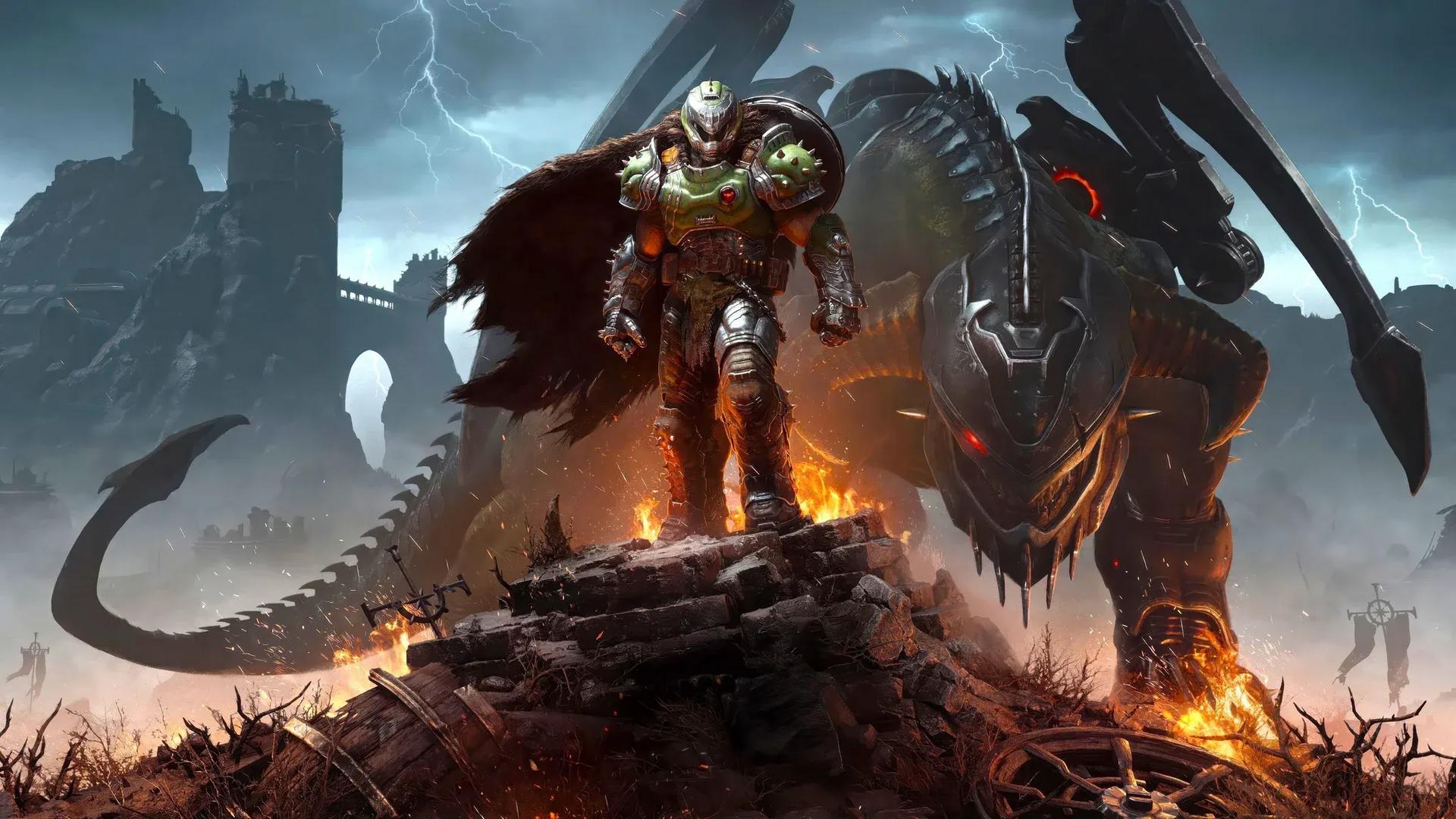
This comes just days after id released the Revelations DLC for Doom: The Dark Ages. If you picked up the Premium Edition on Steam and ran into access issues, check out the Revelations DLC not loading fix guide for the exact steps to sort it out.
The wider Xbox picture makes this harder to read
Id's situation does not exist in isolation. The same week, Obsidian Entertainment and Bethesda Softworks were both heavily impacted by the broader Xbox cuts. Microsoft also announced it is divesting from four studios entirely: Double Fine, Compulsion Games, Ninja Theory, and Undead Labs. Arkane Studios, the developer behind Dishonored and the upcoming Blade game, is currently in negotiations with Microsoft over its future.
Against that backdrop, id's statement reads as relatively reassuring. The studio is not on the closure list, it is not in divestment talks, and it has a DLC that just shipped and a major fan event on the calendar. That is more forward momentum than several of its Xbox stablemates can currently claim.
What most players miss in coverage like this is that id Tech, the studio's proprietary engine, is as much the product as the games themselves. It powers titles across the Xbox portfolio and has been licensed externally. The Microsoft spokesperson's insistence that engine work continues "across multiple locations" matters precisely because id Tech is not just a Doom tool.
For players deep into the current game, the best upgrade paths and weapon builds guide for Doom: The Dark Ages is worth bookmarking as support for the game continues post-launch. With QuakeCon in August and id still publicly committed to its roadmap, the next few months will be telling.