


"The video game industry makes more revenue a year than all of those combined," said Douglas Cloven, a social media strategy manager for PlayStation'sMLB the Show, referring to the movie, music, and film industries. That statement, delivered before an Iowa House subcommittee, sits at the heart of a push to turn Iowa into a serious destination for game developers.

Use code TRYHARD33 at checkout to redeem this offer before code expires again.
Get 33% Off GAMES+ Subscription
Iowa Lawmakers Take Aim at the Gaming Industry
A bill currently moving through the Iowa House proposes a set of financial incentives designed to attract video game companies and industry professionals to the state. The legislation cleared a House subcommittee and is now drawing attention from within the gaming industry itself.
At its core, the bill would:
- Make up to $20 million in state tax credits available to companies that establish game development studios in Iowa
- Require that at least 75% of a studio's payroll consist of Iowa residents to qualify for those credits
- Create state grant and loan programs for Iowa-based gaming companies
- Establish two-year fellowships worth up to $200,000 each for gaming industry veterans who relocate to Iowa to teach, consult, or contribute to events like gaming jams and conferences
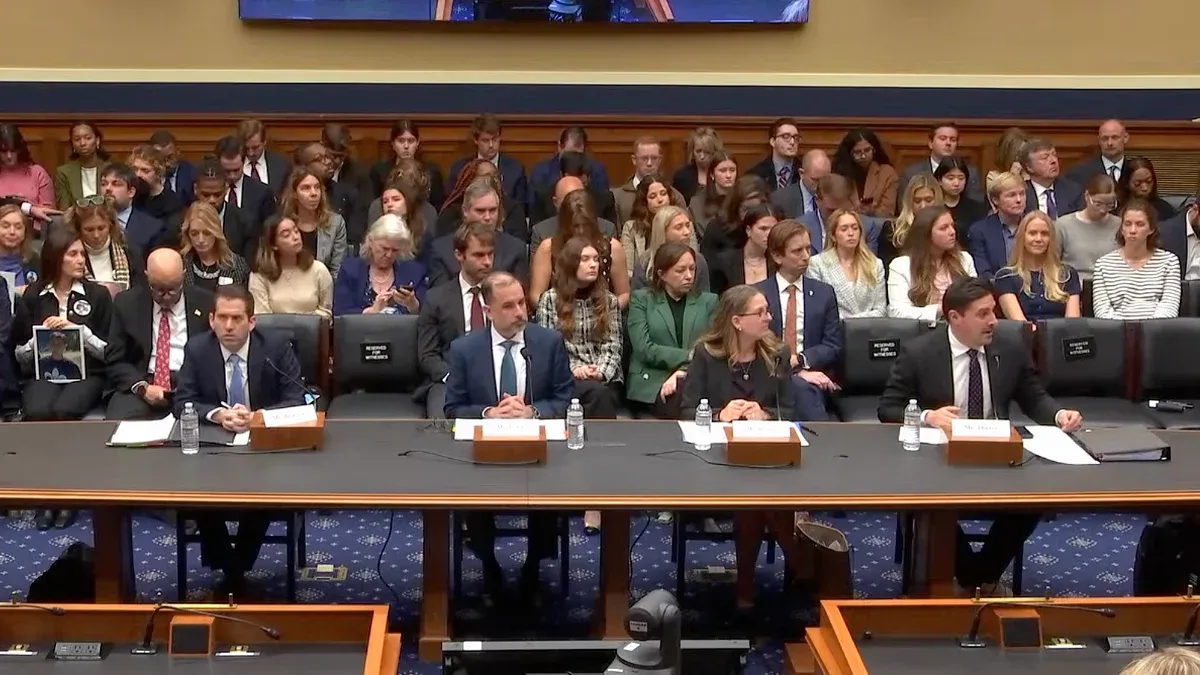
Iowa House subcommittee session
The Case Being Made
Cloven, a Marion, Iowa native who was hired to work in California for PlayStation seven years ago before returning home during the pandemic, testified in support of the bill. He pointed to a former classmate still working at Electronic Arts in California who expressed envy at Cloven's ability to return to his roots.
"He wishes he could move back. He has two young kids. He wants to raise his family here," Cloven said.
Here's the thing: Cloven's argument isn't just personal. He's making a structural case that there is a pool of gaming professionals with Midwest ties who would relocate if the economic conditions were right. The bill is designed to create exactly those conditions.
Georgia as the Blueprint
Proponents of the bill are pointing to Atlanta as proof of concept. Georgia invested in state-level programs for the esports and gaming industry, and Atlanta subsequently emerged as a notable hub for competitive gaming organizations and related businesses.
Cloven and other backers believe Iowa could follow a similar path, particularly given the quality-of-life advantages the state offers compared to traditional gaming hubs like Los Angeles or San Diego.
"When I lived in San Diego I loved it, it was wonderful, the weather was great, but I didn't have a community around me," Cloven said. "And I think there's a lot of people like me."

Game dev studio environment
What Most Players Miss About the Industry's Scale
The numbers Cloven cited before the subcommittee are worth putting in context. The global video game industry generates over $200 billion per year, outpacing the combined revenues of the movie, music, and film sectors. A recent survey also found that 64% of Americans play video games for more than an hour per week, underlining just how mainstream the medium has become.
That scale is precisely why state governments are beginning to treat game development the same way they once treated film production, as an industry worth competing for through targeted policy.
Where the Bill Stands
The legislation has passed its House subcommittee review and continues to advance through Iowa's legislative process. No final vote has been scheduled as of the most recent reporting. Whether the full House and Senate will take up the bill remains to be seen, but the early subcommittee support signals at least some legislative appetite for positioning Iowa in the gaming industry conversation.
Source: Radioiowa
Make sure to check out our articles about top games to play in 2026:
Best Nintendo Switch Games for 2026
Best First-Person Shooters for 2026
Best PlayStation Indie Games for 2026
Best Multiplayer Games for 2026
Most Anticipated Games of 2026
Top Game Releases for January 2026
Frequently Asked Questions (FAQs)
What does Iowa's video game industry bill actually propose?
The bill would create state grant and loan programs for Iowa-based gaming companies, offer up to $20 million in tax credits to studios where at least 75% of payroll employees are Iowa residents, and fund two-year fellowships worth up to $200,000 each for gaming veterans who move to Iowa.
Why is Iowa targeting the video game industry specifically?
Proponents argue the gaming industry, which generates over $200 billion annually, represents a major economic opportunity. Supporters also believe there is a ready supply of gaming professionals with Midwest ties who would relocate given the right financial incentives.
Has a similar approach worked elsewhere?
Yes. Georgia's state-level investment in gaming and esports infrastructure helped Atlanta develop into a recognized hub for the industry. Iowa lawmakers are citing that example as a model for what targeted incentives can achieve.