

A French PC retailer just called out Valve's Steam Machine pricing with its own mini gaming PC, and the name alone is worth the price of admission.
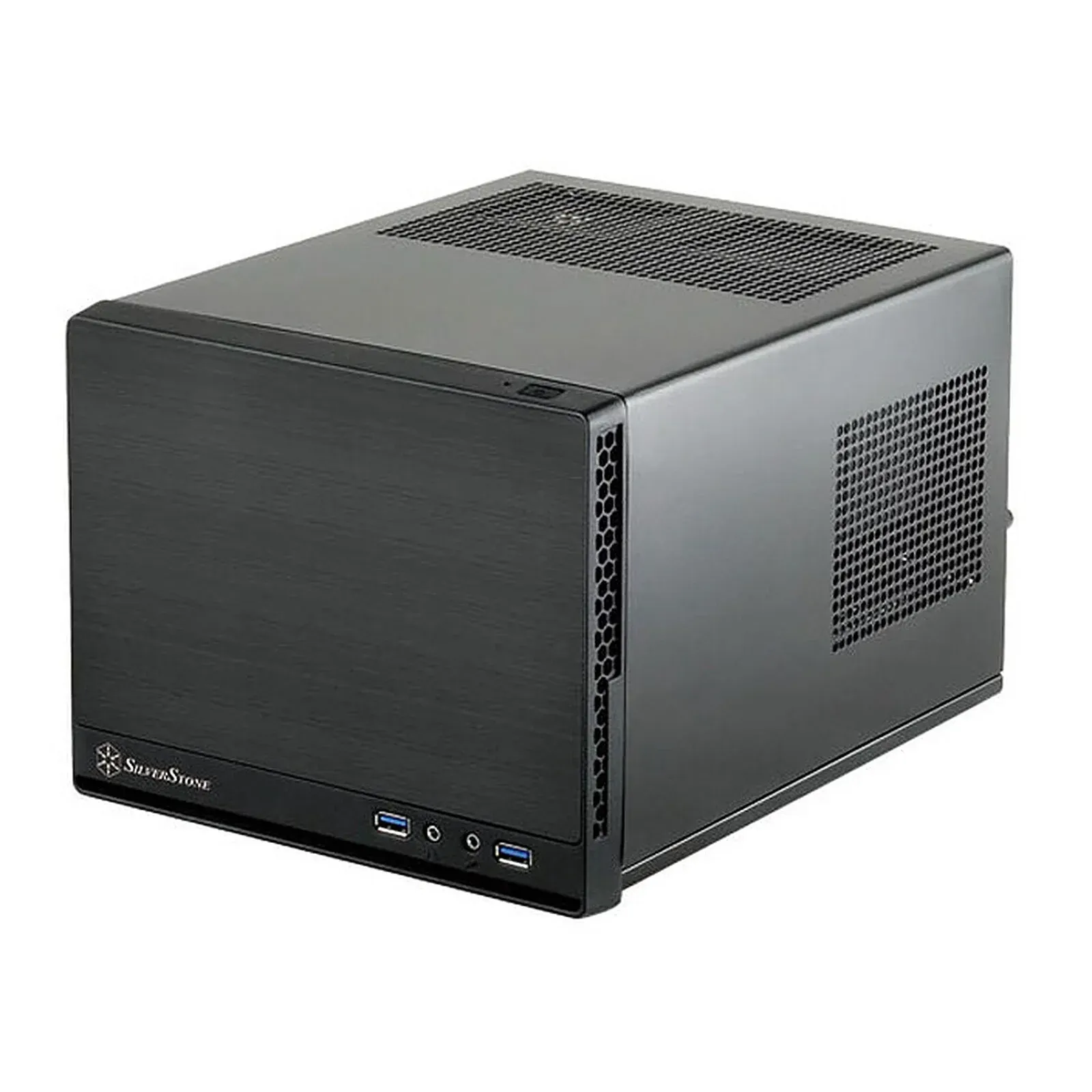
LDLC, one of France's largest PC hardware retailers, briefly listed a compact gaming desktop it cheekily named the Stim Machine, a barely-disguised jab at Valve's $1,049 Steam Machine. The listing has since been pulled and rebranded as the more legally cautious LDLC PC Box, but the point was made loud and clear.

Use code TRYHARD33 at checkout to redeem this offer before code expires again.
Get 33% Off GAMES+ Subscription
What the LDLC PC Box actually offers
Here's the thing: the specs are genuinely competitive. The kit version (which you assemble yourself) was listed at approximately $1,090, while a pre-built version came in around $1,135. That pre-built price lands almost exactly where the Steam Machine sits in European markets, which is clearly the whole point.
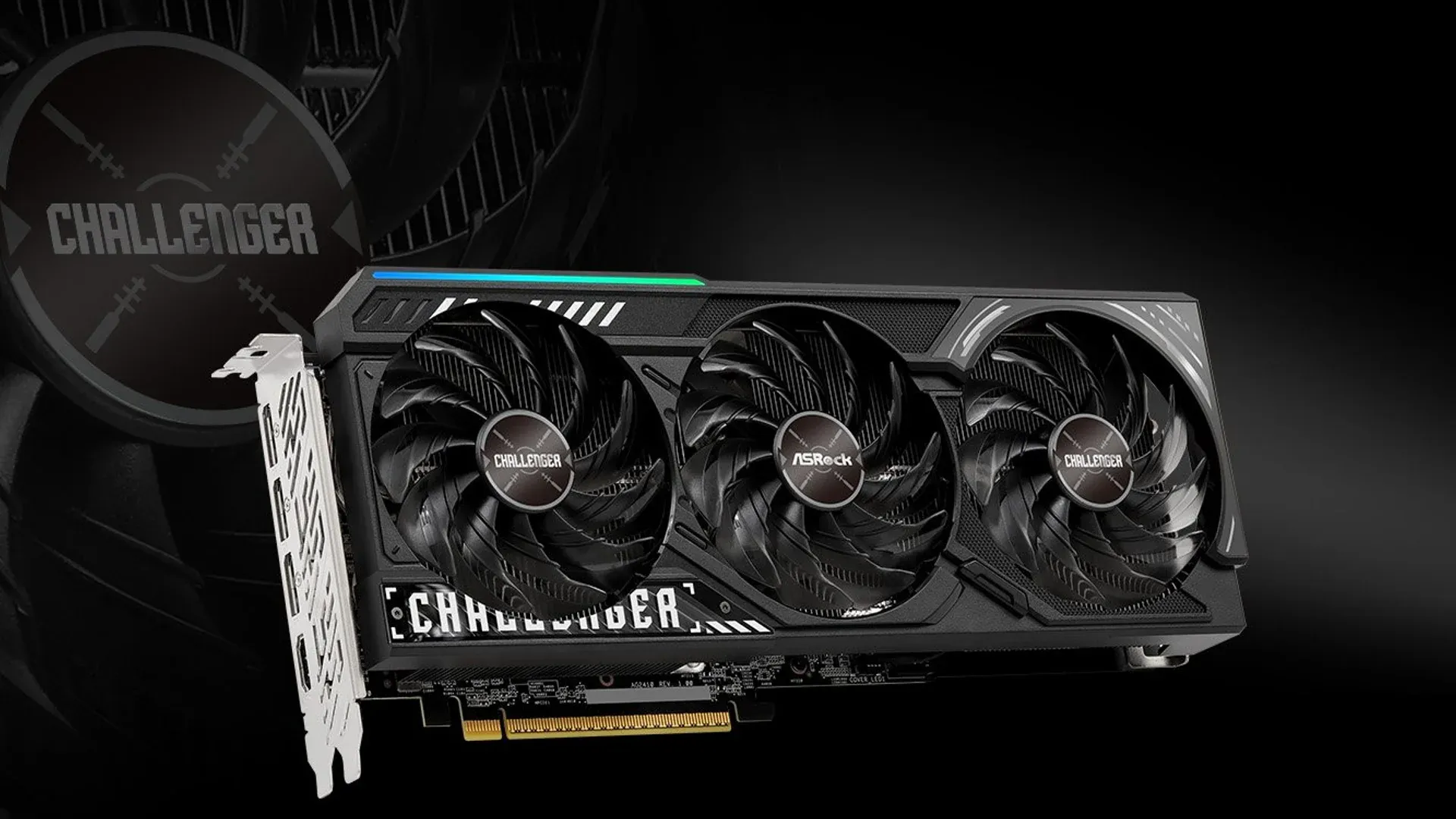
Under the hood, the LDLC PC Box runs an AMD Radeon RX 9060 XT, a full RDNA 4 GPU that is a generational step ahead of the semi-custom RDNA 3 card inside Valve's box. Pair that with a Ryzen 5 8400F processor (comparable to Valve's semi-custom AMD Zen 4 six-core chip) and you have a machine that trades punches with the Steam Machine on CPU performance while pulling ahead on GPU architecture.
The memory situation is where the LDLC PC Box separates itself more meaningfully. Thanks to its standard Mini-ITX motherboard, it ships with 16 GB of upgradeable DDR5 RAM. The Steam Machine uses unified memory that you cannot swap out. The LDLC box also includes 500 GB of NVMe storage plus two additional SATA slots, giving you real expansion headroom. Valve's machine has a single 512 GB SSD and a MicroSD slot.
The pricing context that makes this interesting
Valve's own engineers have publicly acknowledged that the Steam Machine is more expensive than they would like. The company has stated it refuses to subsidize the hardware price because doing so would require building a more closed ecosystem, something Valve considers a non-starter philosophically. That openness is admirable, but it leaves buyers staring at a $1,049 entry price during a period when RAM costs are still elevated.
The LDLC PC Box, even at its briefly available price, does not blow the Steam Machine out of the water on value. The kit version demands assembly time and SteamOS setup. The pre-built sits at a nearly identical price point to Valve's offering. What it does demonstrate is that building a comparable machine from off-the-shelf parts is entirely possible, and that the Steam Machine's price is not some unavoidable floor set by the laws of physics.
For PC players who want to squeeze better performance out of their hardware on SteamOS, optimizing settings matters as much as the specs themselves. Our Killer Bean performance fix guide is a good example of how much tuning can change the experience on compact hardware.
Upgradability vs. plug-and-play
The key difference between these two machines is not really the specs sheet. It is the philosophy behind the hardware.
The Steam Machine is a closed, polished product. You buy it, plug it in, and it works. LDLC's approach is the opposite: standard components, swappable RAM, extra storage slots, and a GPU you can theoretically replace in two years when something better comes along. That upgradability has real value, especially given how quickly GPU generations are moving right now.
What most players miss is that the Steam Machine's semi-custom components are part of what makes it a tidy, integrated package, but also what makes it harder to repair or upgrade down the line. The LDLC PC Box is essentially a traditional Mini-ITX build in a compact chassis, which means the usual PC upgrade path stays open.
The listing is gone now, and LDLC has quietly dropped the Stim Machine branding. Whether the LDLC PC Box returns at a revised price or quietly disappears is unclear. Either way, it proved a point: the components to match Valve's hardware exist at retail, and someone was willing to put them together and price them accordingly. If you want to stay across hardware news like this and get the most out of whatever rig you are running, our gaming guides hub covers performance optimization across a wide range of titles. For those running newer PC builds and wondering how to dial in settings, the 007 First Light PC settings guide is worth bookmarking.