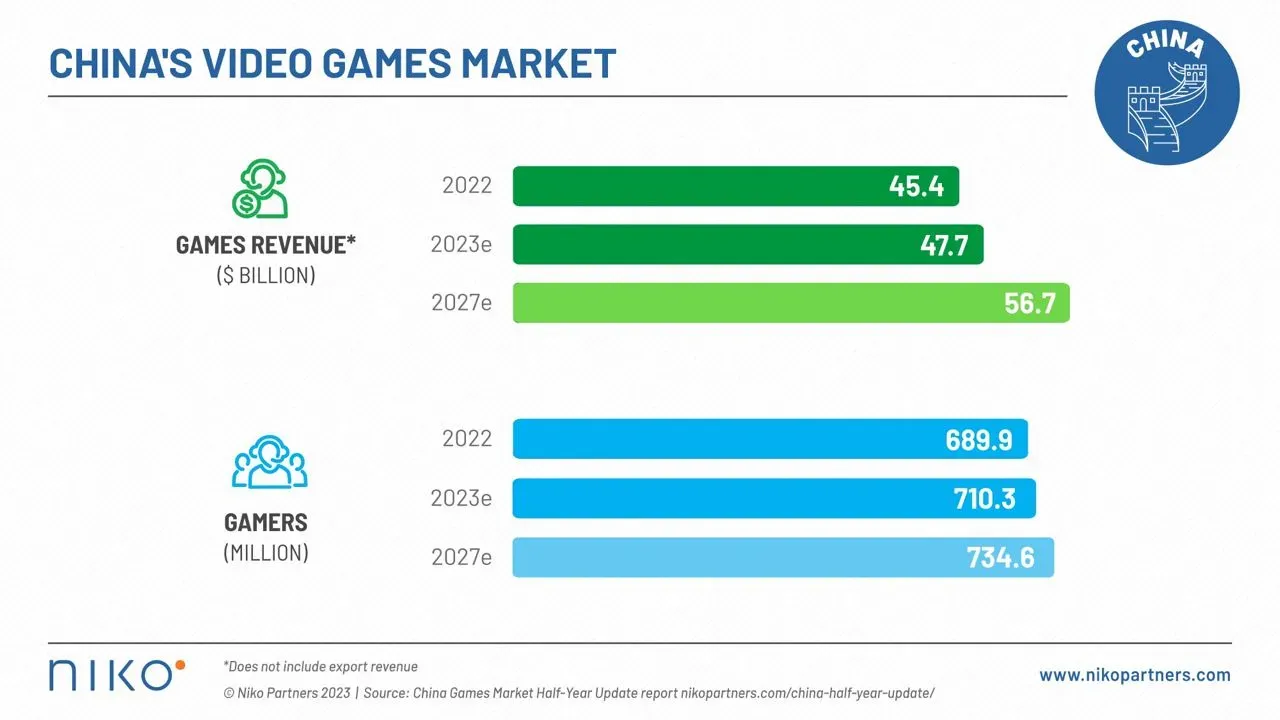


The Chinese video game industry has entered a new phase of international recognition, driven by the success of high-profile titles like Genshin Impact and Black Myth: Wukong. Traditionally known for its dominance in mobile and free-to-play online games, the market is now showing a growing appetite for premium console and PC experiences. Industry analysts suggest that this development is closely linked to broader social and economic changes, including a rising middle class and targeted government support for digital cultural industries.
Lessons from China's Game Industry Growth
In the past, Chinese developers primarily focused on online free-to-play models, which were more financially sustainable due to widespread piracy and the relatively low cost of digital distribution. Simon Zhu, founder of the China Independent Game Alliance (CIGA), has observed that while early single-player titles like The Legend of Sword and Fairy achieved notable popularity, piracy limited the potential for long-term viability. It wasn't until the formal entry of platforms like PlayStation and Steam into the Chinese market that consumers began to explore single-player games more widely.
Li Shen, former chief technology officer at Tencent Games China and Epic Games China, has pointed out that consumer interest in single-player experiences has existed for years. However, widespread investment in such projects was limited until recently, when the commercial success of games like Black Myth: Wukong signaled strong global demand. The game sold over 10 million copies within a week of its release in August 2024 and was named Game of the Year at the 2024 Steam Awards. This success has encouraged other developers, including those behind Phantom Blade: Zero and Wuchang: Fallen Feathers, to pursue similarly ambitious projects.

Lessons from China's Game Industry Growth
Cultural Representation and Creative Identity
A significant aspect of the industry's recent growth has been its increasing focus on cultural storytelling. Siyuan Xia, co-founder of Leenzee Technology and director of Wuchang: Fallen Feathers, has emphasized that more Chinese developers are choosing to integrate regional history and mythology into their games. Wuchang, for example, is set during the fall of the Ming Dynasty and incorporates elements of Sichuan's ancient Shu civilization. Xia has described this cultural representation as a long-term effort to develop a unique Chinese identity within global gaming.
Shen has expressed his belief that the industry is undergoing a shift, where creative teams are not only focused on international commercial success but also on challenging established norms in global gaming, particularly those rooted in Western narratives. Games such as Black Myth: Wukong have become a source of industry pride and are seen by some as a means of promoting Asian cultural heritage.
Challenges Facing the Industry
Despite its progress, the Chinese video game industry faces notable challenges. Zhu has noted that many developers possess strong technical skills in monetization and user engagement due to their background in free-to-play games. However, gaps remain in narrative design, scripting, and genre diversity. Shen has added that as production costs rise, companies often become more conservative in their choice of projects, prioritizing technical execution over creative experimentation.
Differences in industry culture between China and other countries also affect knowledge sharing and professional development. Zhu has observed that while global events like the Game Developers Conference in the United States attract large international audiences and foster industry dialogue, Chinese events tend to be smaller and face difficulties in securing both attendees and speakers. He has attributed this in part to the relatively short history of video game development in China, which spans just over two decades.
Lessons from China's Game Industry Growth
Labor Practices and Evolving Work Culture
Labor conditions in the Chinese game industry remain a topic of ongoing concern. While some studios have adopted a 9-9-6 work schedule—working from 9 a.m. to 9 p.m., six days a week—there is growing awareness of the importance of work-life balance. Xia has pointed out that although Leenzee does not promote overtime, some employees choose to stay late out of personal commitment to their projects. Zhu has reported that CIGA avoids rigid scheduling and overtime, viewing such practices as inefficient and outdated.
Despite evolving attitudes, layoffs and project cancellations have become more common in recent years, particularly in major cities like Shanghai. Shen has explained that while social safety nets such as unemployment insurance exist, they are administered at the regional level and may vary in effectiveness.
Lessons from China's Game Industry Growth
The Role of Government in Supporting Growth
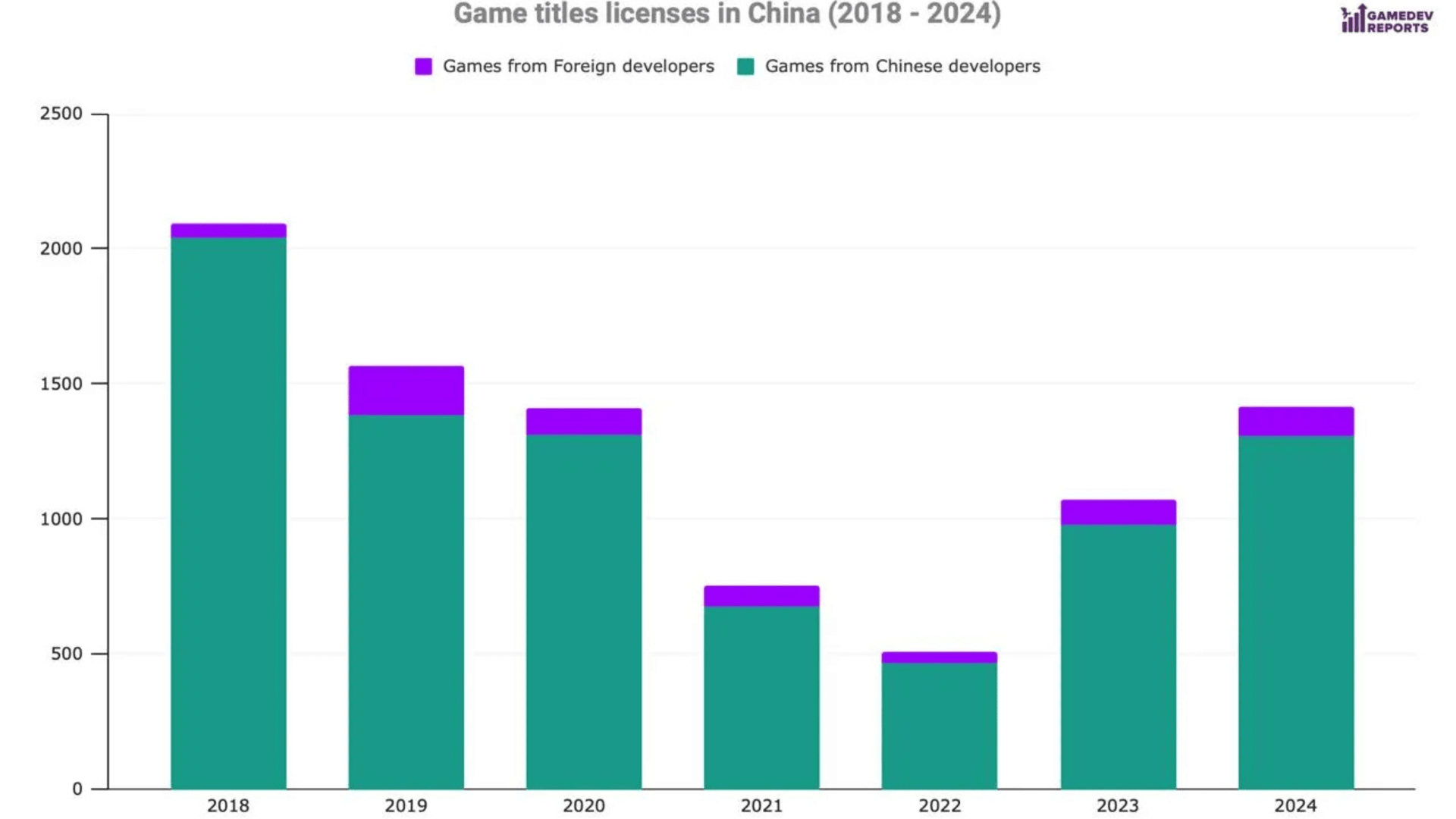
Local governments in China play an active role in promoting game development through policy initiatives and infrastructure support. Games intended for release in China must undergo a review and licensing process by the National Press and Publication Administration (NPPA), with additional support sometimes offered at the regional level. These may include tax incentives, grants for cultural projects, and access to government-funded tech parks.
Xia has explained that the Sichuan provincial government has been supportive of Leenzee's efforts to digitally preserve historical sites relevant to the setting of Wuchang: Fallen Feathers. Shen has added that some provinces have introduced programs to export games as part of broader cultural diplomacy strategies. Zhu has pointed to government-supported office spaces and incubation programs as further evidence of institutional backing for the industry.
Lessons from China's Game Industry Growth
A Growing Global Presence with Long-Term Aspirations
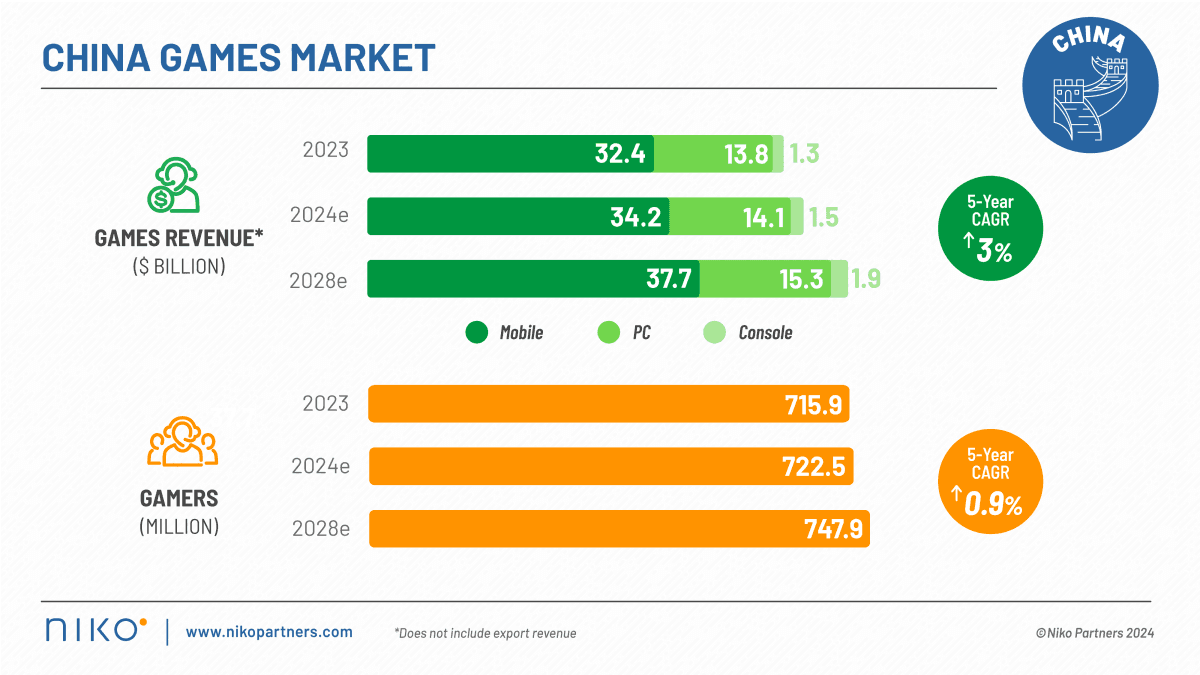
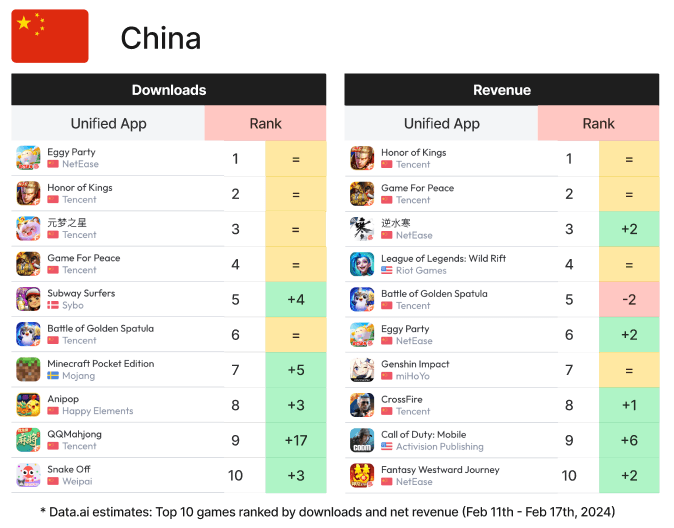
China remains the world's largest video game market, and the industry's growing global presence reflects coordinated efforts by developers, investors, and government bodies. While challenges remain—particularly in terms of creative development and labor practices—there is a widespread belief that the industry will continue to expand in both domestic and international markets.
Shen has expressed his belief that rising consumer demand and increasing disposable income will sustain this growth. Zhu has emphasized that development of the industry, particularly within the indie sector, is a long-term effort that will require continued support and dedication. Xia has echoed this sentiment, referencing a Chinese saying: "When everybody adds fuel, the flames rise high." This collective approach may prove crucial in shaping the future of the Chinese video game industry.