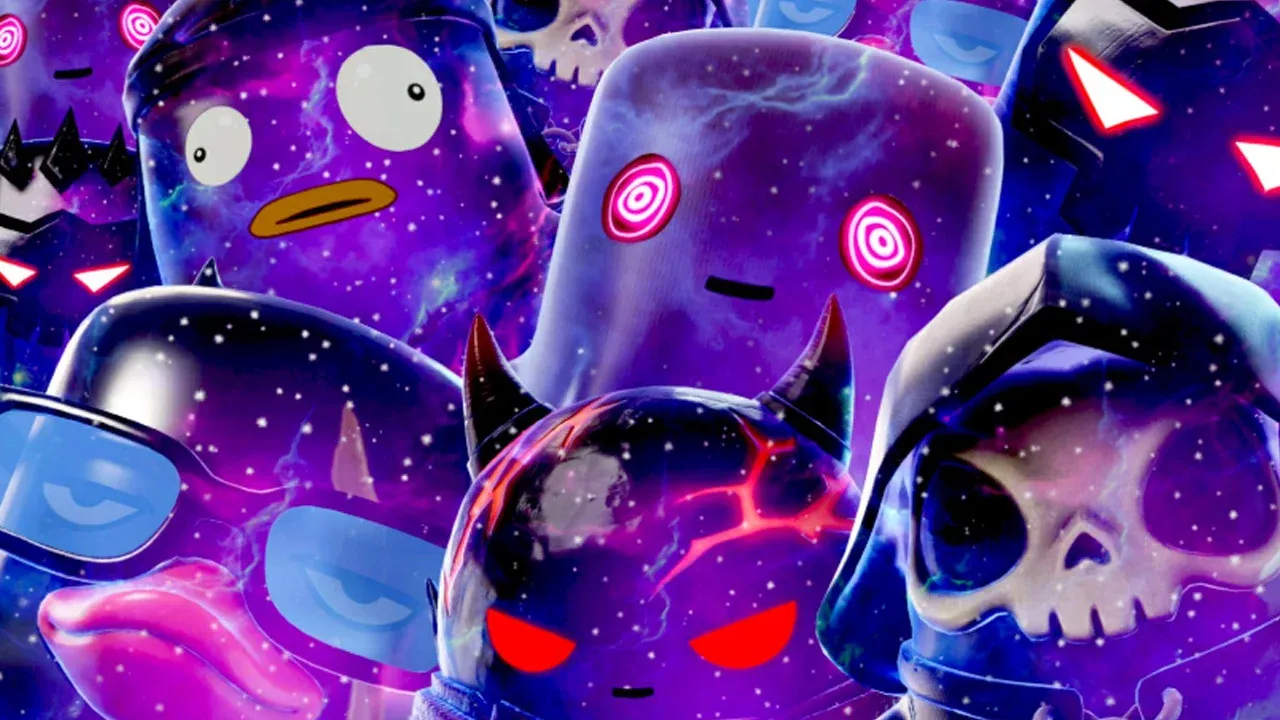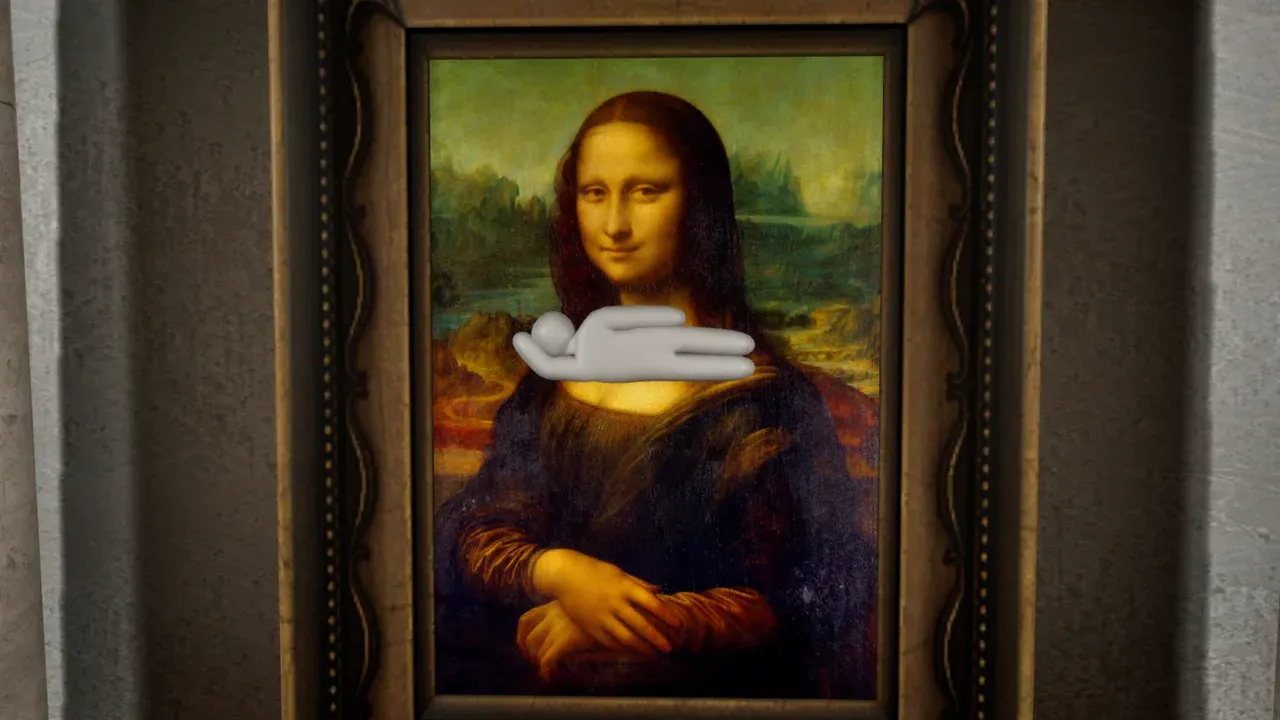

Fifteen million copies. In less than a month. For a $6 game built by two people over two months.
MECCHA CHAMELEON has done something that most studios with full teams and eight-figure budgets never manage: it has become genuinely inescapable. Developer lemorion_1224 marked the milestone with a Steam community post that thanked players for the attention and then dropped a tease that has the community guessing: “Get ready for a new collaboration with a famous Japanese star next week!”
The numbers that make this remarkable
To put 15 million sales in context, that figure arrived in less than 30 days from launch. The game costs $6. The development cycle was roughly 2 months. Do that math and you land on a figure that sounds made up: the two-person team behind MECCHA CHAMELEON earned the equivalent of $1 million per day of actual work put into the game.
Here's the thing, that kind of return is not the product of marketing spend or publisher muscle. It is the product of a game that people genuinely want to play with their friends and then immediately clip and share. The hide-and-seek format, where players paint themselves to blend into environments and fool a seeker, is simple enough to explain in ten seconds and deep enough to generate endless highlight moments. That combination is rarer than it looks.
Who is the famous Japanese star?
Lemorion_1224 has not named the collaborator, which is either a deliberate tease or a translation choice that left the details intentionally vague. Either way, the community is already speculating.
The most obvious candidate that keeps coming up is Hatsune Miku, the virtual vocaloid who has crossed over with Fortnite, Sonic the Hedgehog, and Magic: The Gathering in recent years. A virtual celebrity has no scheduling conflicts and an enormous global fanbase, which makes her a logical fit for a small team that probably cannot afford a complex licensing negotiation with a major entertainment agency. The timing of "next week" also suggests the deal is already finalized and ready to ship, not something still in early talks.
Other guesses floating around include popular streamers, anime voice actors, and at least one very optimistic suggestion involving Takeshi Kitano. The developer has stayed quiet beyond the original post, which is doing exactly what a good tease should do.
What this means for the game's momentum
Collaborations at this stage of a game's lifecycle serve a specific purpose: they give players who have already bought the game a reason to come back, and they give people who have been watching from the sidelines a reason to finally pull the trigger. A recognizable Japanese star attached to a $6 game is a low-friction purchase for anyone who is a fan of both.
The key here is that MECCHA CHAMELEON does not need the collab to survive. It already has 15 million players. What a well-chosen collaboration does is extend the conversation, pull in a different audience segment, and generate a fresh wave of content from streamers and creators who will want to cover the crossover. For a game that spread almost entirely through organic word of mouth and short-form video clips, that kind of second wave can be significant.
The game's paint and disguise system also gives collaborations a natural creative angle. A collab skin or themed cosmetic fits the core loop without breaking anything. You'll want to check the MECCHA CHAMELEON paint and color guide to understand just how much room there is for themed disguises once new cosmetics start arriving.
A two-person team sitting on a phenomenon
The broader story here is still the one that started when MECCHA CHAMELEON first crossed a million sales in four days. Two developers built a functional, genuinely fun multiplayer game in two months, priced it accessibly, and watched it become one of the biggest indie releases in recent Steam history. The collab announcement is the next chapter, not the whole story.
For anyone who has not jumped in yet, the MECCHA CHAMELEON beginner's guide covers everything you need to survive your first few rounds before the collaboration content drops.