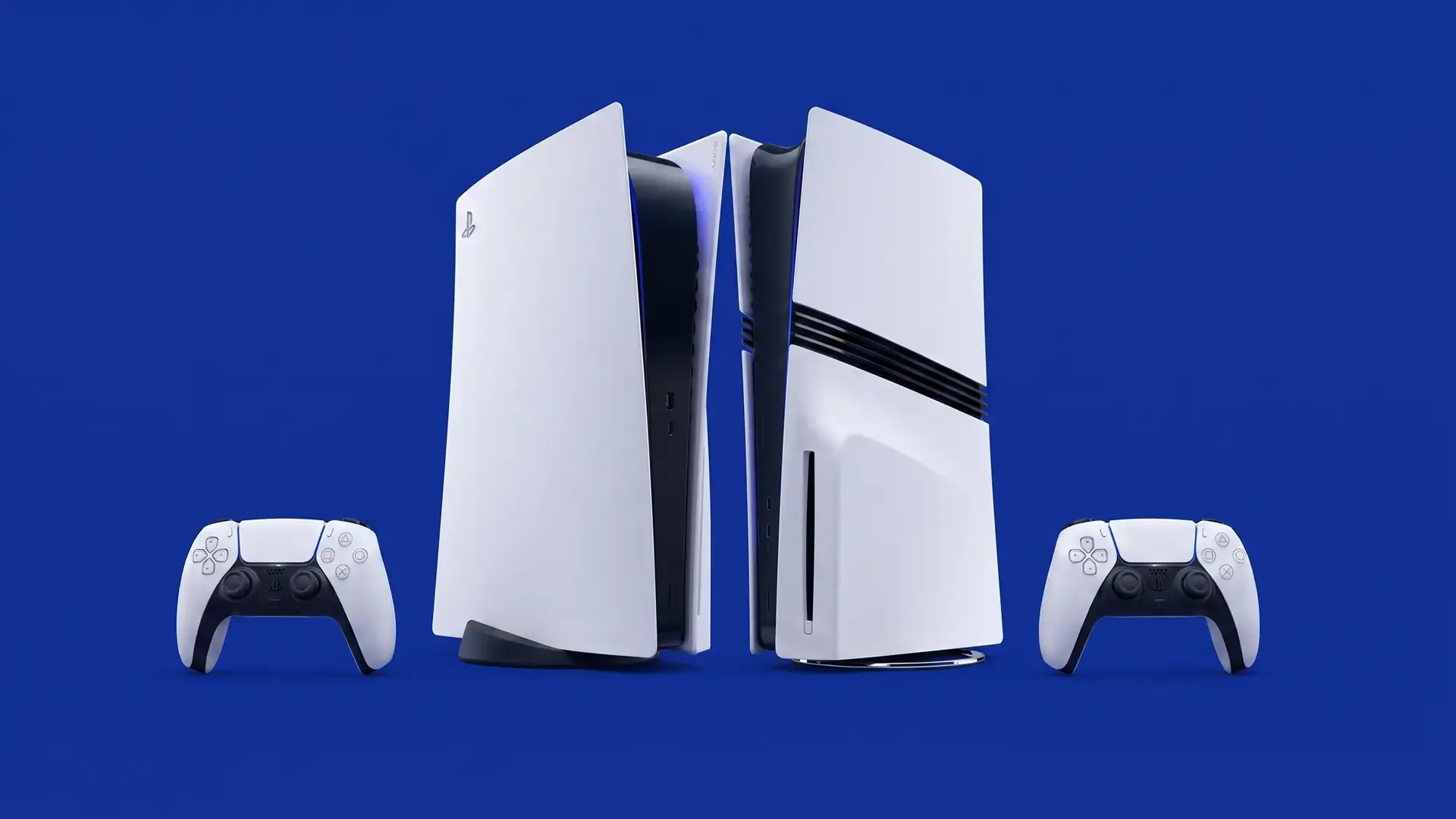

"Still be able to place re-orders for existing PlayStation disc games" is apparently the reassurance Sony gave to publishers and partners when it informed them of the January 2028 digital-only transition. That detail comes from journalist Stephen Totilo of Game File, and it adds a notable wrinkle to what has been a genuinely messy story since PlayStation first announced it would stop producing discs for new titles from January 2028 onward.
The announcement itself sparked immediate controversy. Physical game advocates, preservation advocates, and a fair number of publishers all had questions. Here's the thing: Sony answering some of those questions privately, without making any public statement, is a strange way to manage the fallout.

Use code TRYHARD33 at checkout to redeem this offer before code expires again.
Get 33% Off GAMES+ Subscription
What the disc reorder window actually means
The distinction being drawn here is between new titles and existing ones. After January 2028, Sony will no longer manufacture discs for games releasing from that point forward. But publishers who already have disc-based titles in the market would reportedly retain the ability to request additional print runs.
This matters more than it might initially seem. A publisher sitting on a popular back-catalog title that keeps selling at retail would otherwise face a hard cutoff on physical supply. The ability to reorder gives those titles a longer physical shelf life, at least in theory.
The key here is that "in theory" qualifier. How long Sony actually keeps that reorder window open is still unknown, especially given reports that its disc production facility in Thalgau has already begun transitioning to a fraction of its previous output capacity. A factory running at roughly one-tenth of its former volume cannot support unlimited reorder requests indefinitely.
The questions Sony still hasn't answered publicly
Even with the reorder provision, several issues remain unresolved. What happens to a game that was in development and expected to ship with a disc, but gets delayed past the January 2028 deadline? Does it simply lose its physical release? Does the publisher get an exception, or does it have to absorb the cost of a digital-only pivot?
There are also broader concerns that no reorder policy addresses. Game preservation is one of them. Disc-based games provide a physical ownership model that digital storefronts simply do not replicate, and Sony controlling its own digital storefront gives it significant power over discounting, availability, and long-term access. Publishers like Capcom and Take-Two Interactive have already signaled that their revenue is predominantly digital, so the transition may not hurt them much. Smaller publishers with physical-first audiences are in a different position.
Why Sony kept this quiet
The decision not to announce the reorder provision publicly is genuinely puzzling. It would have generated at least some goodwill with the physical gaming community, a group that has been vocal in its opposition since the original announcement. Choosing to communicate it only through private outreach to partners suggests either that the policy is still being finalized, or that Sony does not want to draw more attention to its physical games exit than necessary.
Meanwhile, Xbox is going the other direction. The upcoming Halo: Campaign Evolved was recently confirmed to include a disc in the box, a detail that felt almost pointed given the current conversation around physical media. If you're keeping tabs on how the two platforms are diverging on this issue, that contrast is worth watching.
For physical game fans, the Saros file size and pre-load guide is a reminder that PS5 exclusives are still coming and still worth planning around, even as the format they ship on may be changing. And if the broader shift toward digital has you thinking about how games handle physical and inventory mechanics in interesting ways, the Retro Rewind Black Market SKU codes guide is a fun bit of irony to sit with.
What comes next for physical PlayStation games
The January 2028 deadline is still 18 months away, and a lot can change. Sony has not made any official public statement about the reorder provision, and the Thalgau facility repurposing suggests the infrastructure for physical production is already being wound down regardless of what policies exist on paper.
Publishers and physical game collectors will want to watch for any formal announcement from Sony clarifying the reorder terms, timelines, and what happens to games caught in development limbo. Until then, this remains a rumor with enough credibility to take seriously but not enough official confirmation to treat as settled policy.
For more coverage of platform news and how it affects what you actually play, check out our gaming guides hub for the latest across all platforms.