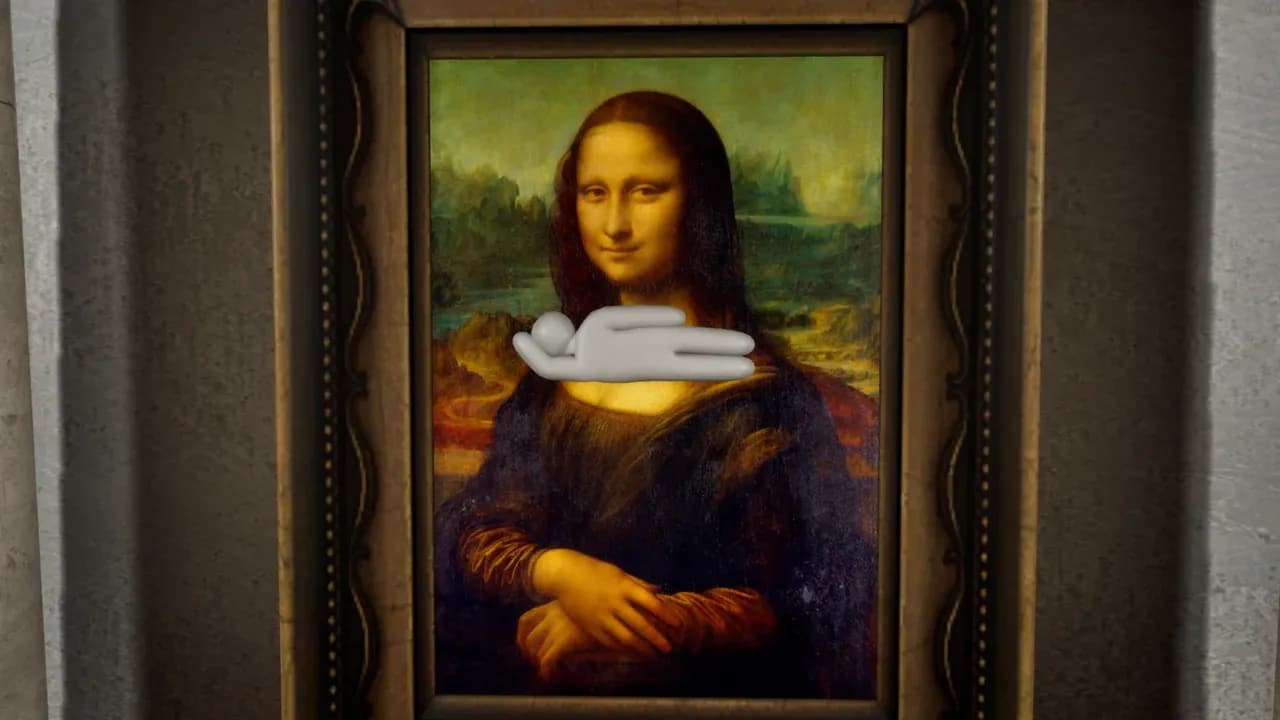

The hide-and-seek formula at the heart of MECCHA CHAMELEON was already compelling enough to sell over a million copies in its first four days on Steam. Now, a growing modding community is pushing that formula even further, layering new maps, visual tweaks, and quality-of-life changes on top of a game that already had plenty to offer for just $6.
Here's the thing: mods in MECCHA CHAMELEON aren't just cosmetic novelties. The base game's mod support ties directly into its most exciting feature, the player-driven mapmaking scene, which has been active since launch. Understanding how to access and install mods is the difference between playing the same handful of official stages on repeat and tapping into a constantly refreshing pool of community content.
How the mod system actually works
MECCHA CHAMELEON's mod support runs through the Steam Workshop, which keeps things straightforward. You subscribe to a mod on the Workshop page, and the game pulls it in automatically the next time you launch. No manual file placement, no hunting through AppData folders.
The key here is that most mods in MECCHA CHAMELEON fall into one of two categories: custom maps and visual or gameplay modifiers. Custom maps are by far the more active side of the community. Developers lemorion_1224 built the mapmaking tools directly into the game, so the barrier to entry for creators is genuinely low, and the output reflects that.
For players just installing mods for the first time, the process looks like this:
- Open the MECCHA CHAMELEON Steam Workshop page
- Browse or search for the mod you want
- Click Subscribe
- Launch the game and navigate to the custom content section in the lobby browser
- Select your modded map or activate your modifier before starting a session

What most players miss about custom maps
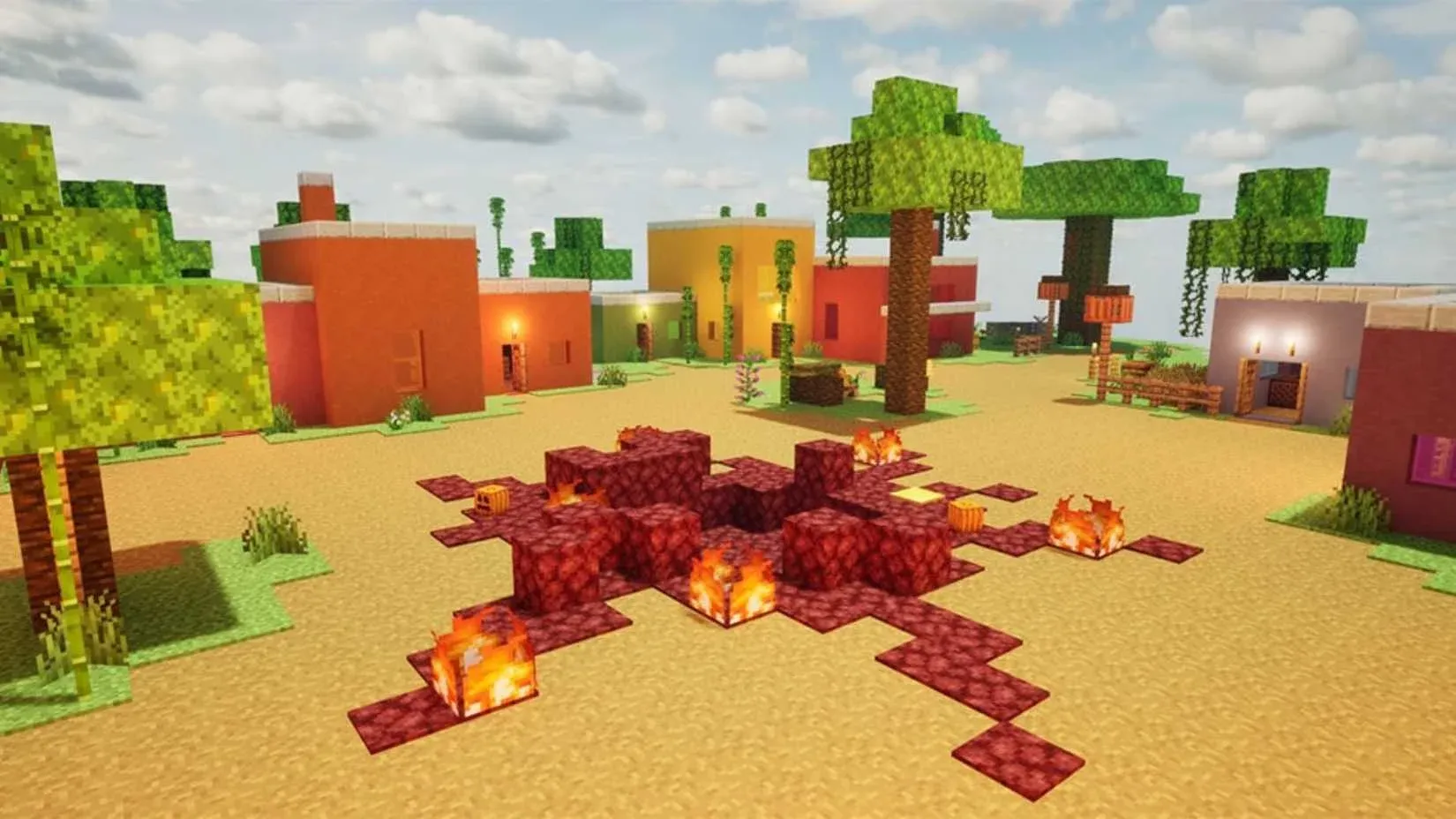
The official maps are dense and well-designed, but community maps bring something the base game can't fully replicate: surprise. When nobody in the lobby has seen a map before, every hiding spot is genuinely undiscovered territory. Seekers can't rely on memory, and hiders have to read their environment cold.
Some of the most-subscribed community maps lean into specific visual themes, like recreating recognizable real-world spaces or pulling from other game aesthetics, which creates natural camouflage puzzles that the official roster doesn't always provide. A map built around a cluttered Japanese convenience store interior, for example, rewards completely different painting strategies than an open courtyard stage.
The mapmaking community has also produced maps with tighter geometry specifically designed for smaller lobbies, which is useful given that the base game's server browser doesn't filter by player count in any meaningful way.
Recommended mods worth trying
With the Workshop still relatively young, quality varies, but a few categories of mods have risen to the top of the subscription counts:
- High-detail environment maps: Community stages that pack in more visual complexity than the base game's maps, giving skilled painters more surface texture to work with
- Themed map packs: Multi-map bundles built around a single visual theme, which keeps variety high without requiring players to subscribe to a dozen separate items
- Lighting variant maps: Versions of popular stages with altered lighting conditions, which changes the camouflage meta significantly since shadows and reflections behave differently
- Compact arena maps: Smaller stages that compress the action and work better with 4 to 6 players rather than full lobbies
Pro tip: check the Workshop item's comment section before subscribing. The MECCHA CHAMELEON community is vocal about reporting desync issues, broken geometry, or maps that haven't been updated after patches. A mod with 5,000 subscribers but a comment section full of complaints about the last update is a map to skip for now.
Fitting mods into your broader strategy
Mods extend what's already a deep camouflage system, but they don't replace the fundamentals. New maps mean new environments to read, which means the core skills, understanding sightlines, matching surface textures, and choosing your pose carefully, matter even more when nobody in the lobby has practiced the layout.
If you're still getting a feel for how painting and positioning work together, the MECCHA CHAMELEON beginner's guide covers the paint system and seeker strategies that apply regardless of which map you're playing. Once those click, community maps stop feeling like chaos and start feeling like opportunity.
The modding scene is still finding its footing, and lemorion_1224 has continued pushing updates to the base game's tools. As the Workshop library grows and the toolset matures, the gap between official and community content is likely to keep narrowing. Check the full MECCHA CHAMELEON guide collection for more on mastering every map the community throws at you.