

Miami Beach commissioners voted 4-3 on September 10 to approve a $3 million Grand Theft Auto 6 marketing campaign from Rockstar Games, clearing the way for the franchise to plaster its iconic VI logo across the very city that inspired its fictional setting. The vote came after a council debate that somehow managed to resurrect a 20-year-old controversy before landing on “it's a video game, it's fake.”
Use code TRYHARD33 at checkout to redeem this offer before code expires again.
Get 33% Off GAMES+ Subscription
What the $3M campaign actually looks like
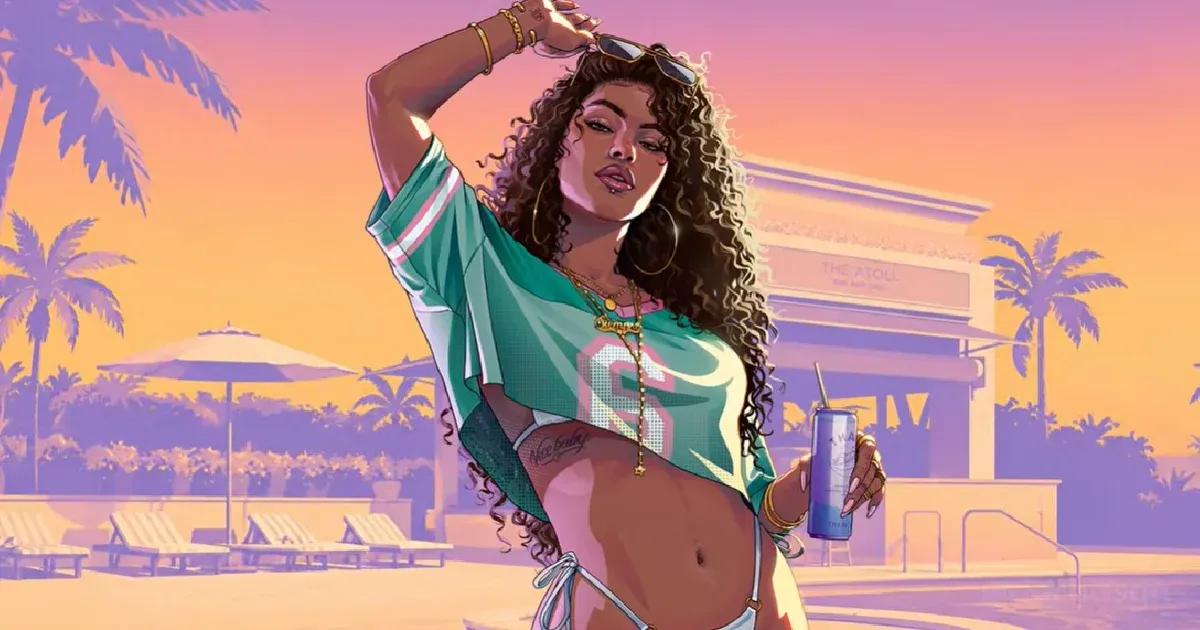
The specifics of the rollout are still mostly under wraps, but the council session surfaced a few concrete details. Boucher Brothers, a Miami Beach beach equipment supplier, will feature the GTA 6 VI logo on umbrellas and beach chairs across the area. The full campaign runs from October 15 through the end of 2026, timed squarely around the holiday window. Total investment from Rockstar sits at $3 million.
The timing is deliberate. Launching in mid-October pushes the brand hard through Christmas, turning Miami Beach into a living advertisement just as gift-buying kicks into gear. The ads won't touch city-owned property, and they'll stay clear of Art Basel Miami, the high-profile art fair that takes over the first half of December.
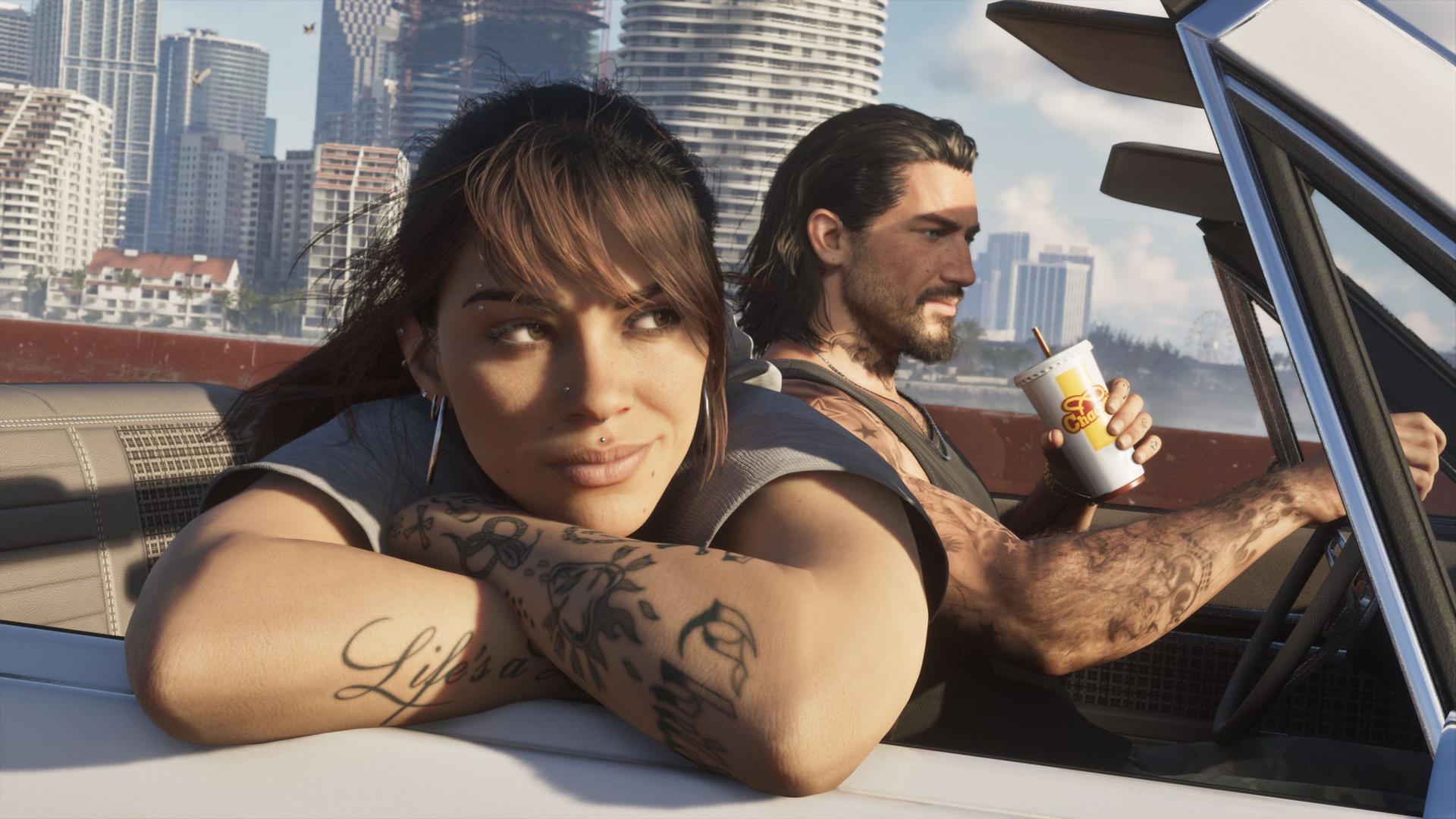
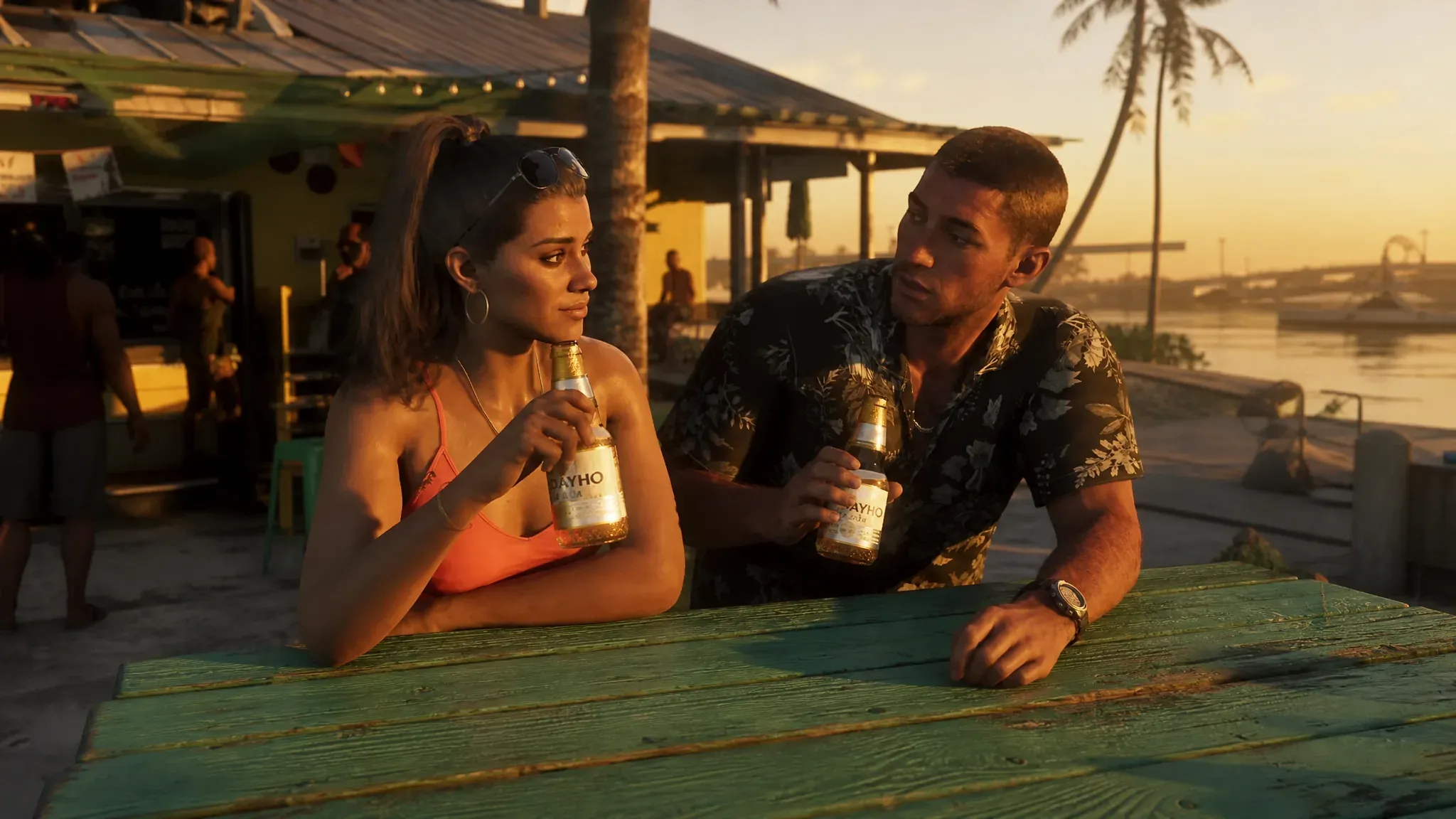
Here's the thing: the location choice makes complete sense. GTA 6's fictional state of Leonida is built on Florida, with its main city, Vice City, drawing directly from Miami's geography, culture, and aesthetic. Advertising there isn't just a marketing stunt. It's the most on-brand move Rockstar could make.
The hot coffee callback nobody asked for
The vote wasn't clean. Commissioner David Suarez came in swinging, pulling up footage of GTA 6 gameplay showing violent crimes and invoking the Hot Coffee scandal from 2004, when a hidden explicit minigame in GTA: San Andreas triggered congressional hearings and a wave of political backlash that reshaped how the industry handled content ratings.
"You can't spend years telling the world that Miami Beach has changed, imposing some of the toughest Spring Break restrictions we've ever had, to change our brand and our image," Suarez argued, "and then turn around and voluntarily promote the very image we're trying to leave behind."
It's a familiar playbook. Politicians have been invoking GTA's content in public forums since the late 1990s, and the Hot Coffee incident remains the go-to citation whenever someone wants to signal concern about the franchise. Pulling it out in 2026, two decades after the fact, tells you more about the limits of that argument than it does about the game.
The commissioner who's been playing since 1997
The counter-argument came from Commissioner Monica Matteo-Salinas, who took a different approach entirely. She didn't try to defend the game in the abstract. She just talked about playing it.
"I played it in 1997, when it first came out; I played it in 2002 when it came out, the Vice City version, and I'm going to play it again when this one comes out," she said.
Then came the line that's doing the rounds: "It's a video game; it's fake. We can be who we are and make a nod to this video game without endorsing it. This won't affect our brand. This is a win for gamers, and gaming nerds, such as myself."
That framing, a sitting commissioner self-identifying as a gaming fan and calling the deal a win for the community, is a notable shift from the political conversations GTA typically generates. The 4-3 result shows the council was genuinely split, but the majority landed on the side of taking Rockstar's money.
What this means heading into launch
Rockstar spending $3 million on physical advertising in the real-world city that inspired its game is a flex, but it's also a signal about how the studio is positioning GTA 6 as a cultural event rather than just a game release. Branding Miami Beach with VI logos through the holiday period puts the franchise in front of tourists, locals, and anyone who hasn't already pre-ordered.
If you're still sorting out your copy, the GTA 6 pre-order guide covers everything you need to know about platforms, editions, and how to lock one in before launch.
The political noise around the Miami Beach vote will fade quickly. What sticks is that Rockstar just got a major American city to serve as its marketing backdrop, with the city's own commissioners on record saying they're excited to play it.