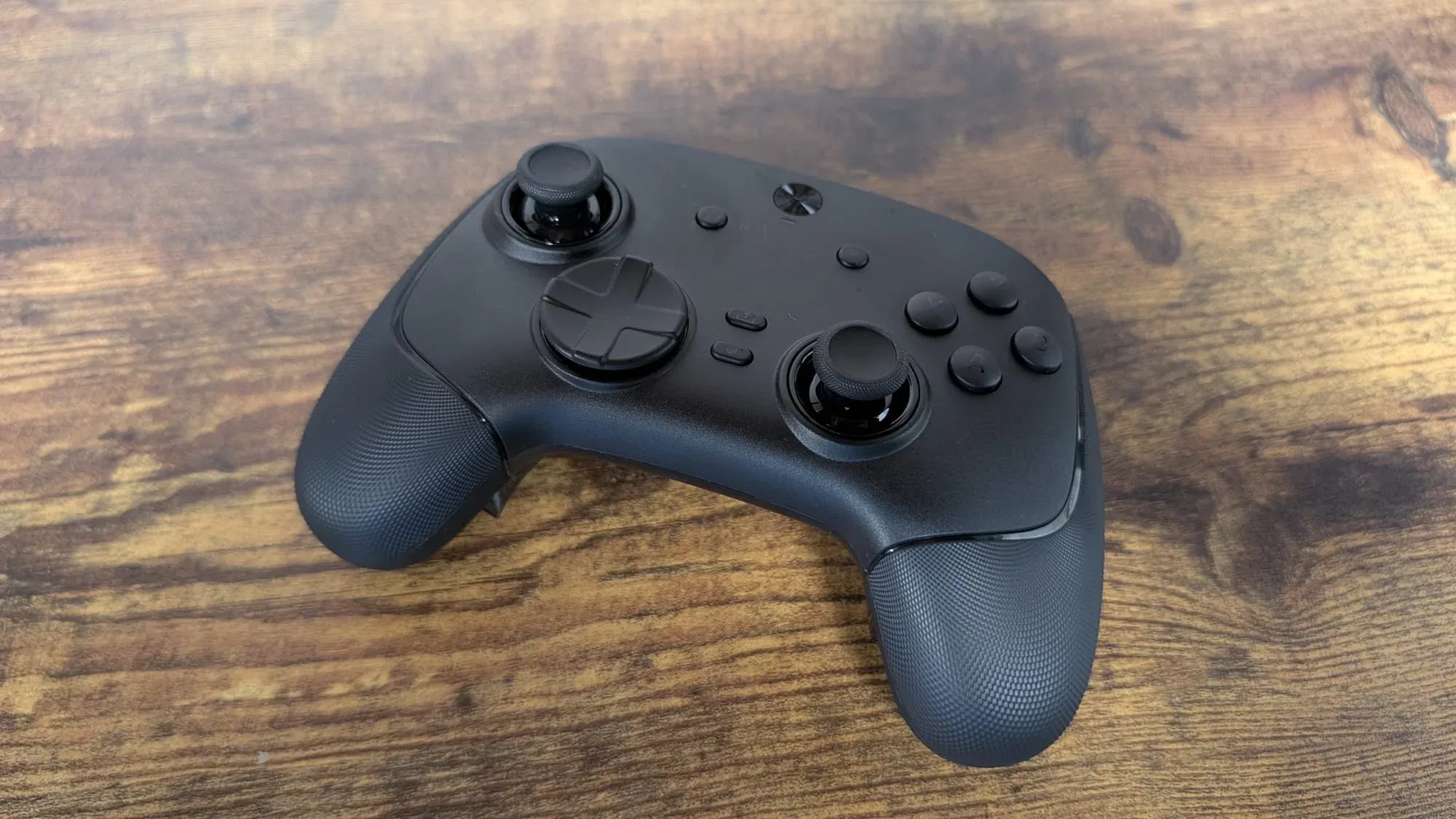


Microsoft came closer than most people realized to fundamentally restructuring its Xbox gaming unit. The company reportedly weighed spinning Xbox off as a wholly-owned subsidiary, a structural change that would have separated the gaming division from Microsoft's core business and, critically, made it far easier to sell off down the line.
Here's the thing: this wasn't just idle boardroom chatter. The consideration of a full spin-off signals just how seriously Microsoft's leadership has been questioning the long-term role of Xbox inside one of the world's largest tech companies.
Use code TRYHARD33 at checkout to redeem this offer before code expires again.
Get 33% Off GAMES+ Subscription
What a spin-off would have actually meant
Turning Xbox into a wholly-owned subsidiary is a specific legal and financial maneuver. On paper, the division would still belong to Microsoft, but it would operate with its own balance sheet, its own corporate structure, and far more independence from the parent company. The key here is that subsidiaries structured this way are dramatically easier to divest. You don't have to untangle Xbox from Microsoft's broader operations; you just sell the subsidiary.
That framing matters. Microsoft wasn't necessarily planning to sell Xbox outright, but the fact that leadership reportedly wanted to make a sale easier tells you something about the internal mood around the gaming unit's future.
The pressure Xbox has been operating under
Xbox has had a rough few years by any honest measure. Game Pass growth has slowed. First-party exclusives have arrived later than promised, and several high-profile titles have underperformed commercially. The $68.7 billion acquisition of Activision Blizzard in 2023 was supposed to be the move that supercharged the division, but integrating that many studios while maintaining output has proven messy.
Microsoft has already laid off thousands of workers across its gaming division since the Activision deal closed, including significant cuts at studios like Bethesda and Arkane. When a company is simultaneously acquiring a massive publisher and cutting the workforce that came with it, something isn't adding up strategically.
What players stand to lose if this goes further
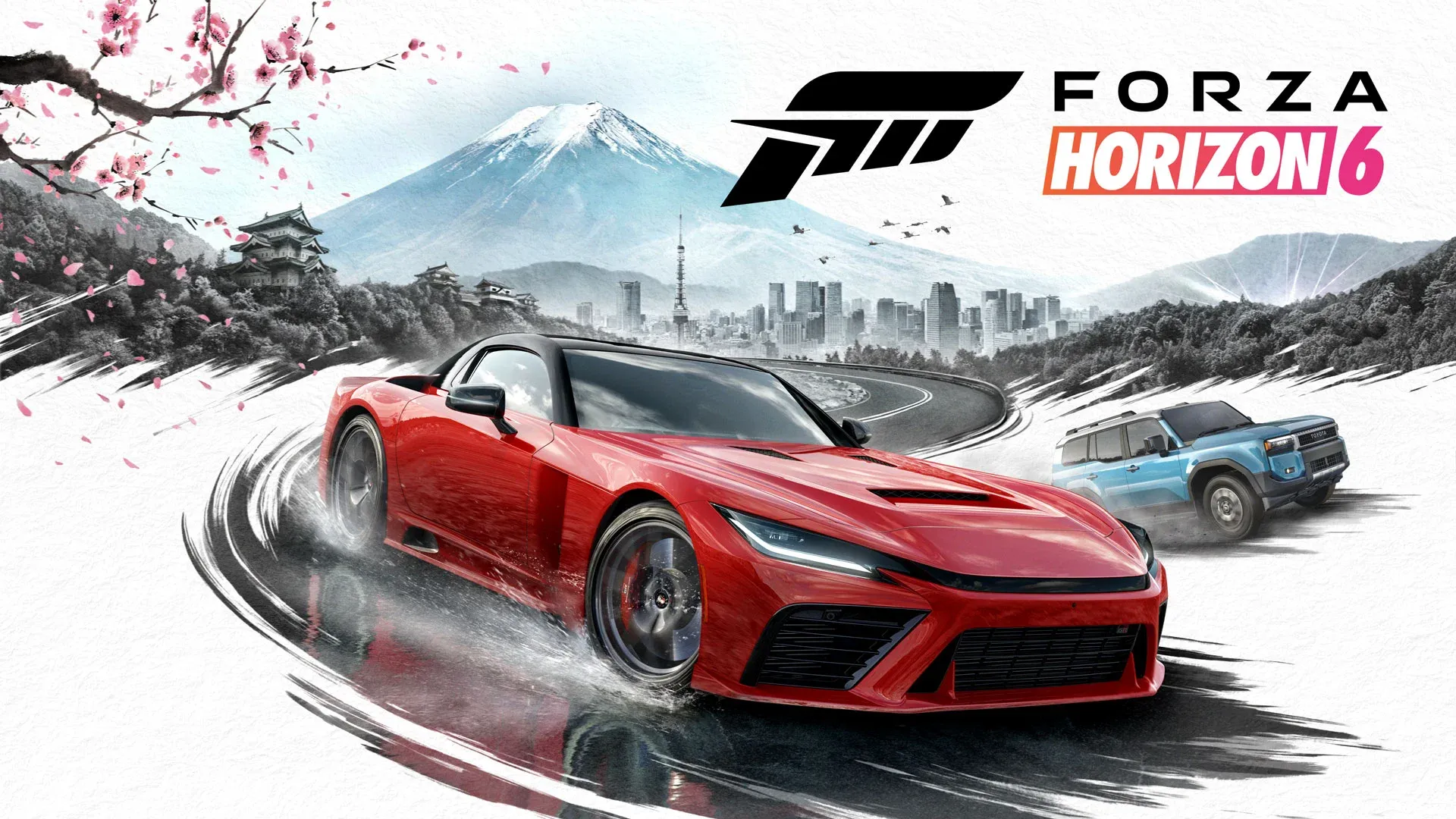
For the people actually playing games, a spin-off or eventual sale of Xbox would raise real questions fast. Game Pass pricing, availability on PC and console, backward compatibility commitments, and the fate of franchises like Halo, Forza, and Fable would all be up for renegotiation under new ownership or a restructured entity.
The community angle here isn't abstract. Players who have built libraries around Xbox's ecosystem, invested in hardware, or subscribed to Game Pass for years would be directly affected by any ownership change. What most players miss in these corporate restructuring stories is that the impact doesn't arrive all at once. It shows up slowly in canceled sequels, rising subscription prices, and studios going quiet.
If you want to stay sharp on how gaming ecosystems work and what to play while the dust settles, our gaming guides cover a wide range of titles across platforms.
Where Xbox goes from here
Microsoft has signaled it wants to overhaul Xbox rather than abandon it, but the details of that overhaul remain vague. Phil Spencer and the Xbox leadership team have been publicly committed to the platform, but public statements and internal deliberations are two different things, and the gap between them appears to have been significant.
The most likely near-term outcome is a restructuring that stops short of a full spin-off but still gives Xbox more operational independence within Microsoft. Think tighter accountability, clearer revenue targets, and a harder line on which studios and projects get continued investment.
For players, the next 12 to 18 months of Xbox first-party releases will probably tell the real story. A strong lineup keeps the division relevant and harder to cut loose. A weak one accelerates exactly the kind of internal pressure that reportedly put a spin-off on the table in the first place. Check out our game reviews to keep track of how Xbox's output is actually landing.