

miHoYo has pledged to "prioritise AI as a central and primary means of problem-solving" across its business, and the studio is already putting that commitment on display. BSide: Olivia Lin, the Genshin Impact creator's first standalone AI companion app, is now live on Steam, currently exclusive to China.

Use code TRYHARD33 at checkout to redeem this offer before code expires again.
Get 33% Off GAMES+ Subscription
Meet Lin Li, the student who never graduates
The character at the centre of BSide: Olivia Lin is Lin Li, an AI chatbot designed around a very specific persona. Her Steam description presents her as a Shanghai university student "majoring in piano and minoring in psychology" who loves vinyl records, old movies, and rainy days. The catch, baked right into the concept, is that she is perpetually stuck in student life, an eternal undergrad who will never actually earn that piano degree.
It is a deliberately melancholic hook, and it works. Rather than positioning Lin Li as a generic assistant, miHoYo has given her a character arc that cannot resolve, which is either charming or quietly unsettling depending on your tolerance for AI companionship products.
Here's the thing: the feature set is more considered than a basic chatbot. Users can listen to Lin Li play piano, upload their own files to request specific pieces, and write her letters to "express your current emotions in words and exchange a story that belongs only to you." The letter-writing mechanic in particular leans into the emotional intimacy angle that companion apps like these are built around.
From gacha billions to AI investment
BSide: Olivia Lin did not appear out of nowhere. Last month, miHoYo announced plans to invest up to $14.6 billion into AI for internal tools, a figure that signals this is not a side experiment. The studio runs Genshin Impact, Honkai: Star Rail, and Zenless Zone Zero simultaneously, all of which receive substantial ongoing content updates, and the operational cost of maintaining that output is enormous.
The key here is understanding what miHoYo is actually building toward. BSide: Olivia Lin is the public-facing proof of concept, but the studio's AI ambitions run much deeper across its entire pipeline.
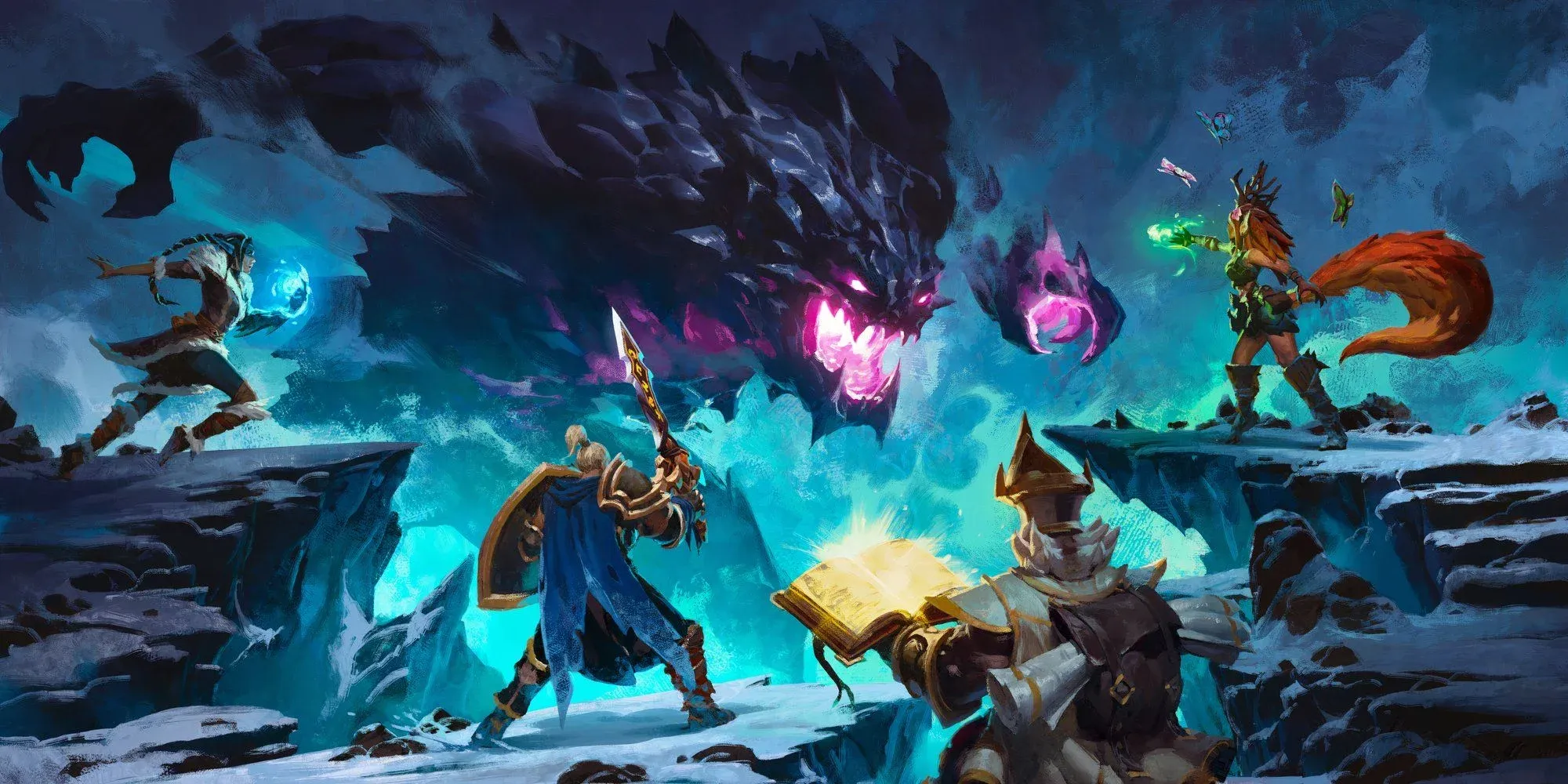
Its upcoming life sim Petit Planet already uses AI-powered tools in development, including an in-game chatbot NPC called the Planet Life Guide. Genesis, an upcoming MMO built in Unreal Engine 5, is reportedly integrating AI to some degree. Honkai: Nexus Anima, miHoYo's Pokémon-inspired auto-battler, has seen the studio reportedly hire artists with generative AI experience. If you want a sense of how miHoYo handles ongoing event content in its existing titles, the Genshin Impact Phantasmal Pals event guide gives a good picture of the content cadence the studio needs to sustain.
What this means for how miHoYo builds games
The studio is simultaneously developing at least four new titles while keeping its live service games running at full speed. That is a workload that almost demands automation somewhere in the pipeline, and miHoYo is clearly betting that AI tooling is where the efficiency gains are.
BSide: Olivia Lin sits at the intersection of two things miHoYo does well: character writing and technology investment. The companion app format is not new, but packaging it as a Steam product with a fully realised fictional identity rather than a utility tool is a deliberate creative choice. It positions the studio as a company that wants AI to feel like a natural extension of its game worlds, not a productivity bolt-on.
Whether Lin Li stays a China-exclusive experiment or eventually rolls out to global players will say a lot about how seriously miHoYo views the companion app space. For now, it is the clearest signal yet that the studio's $14.6 billion AI commitment is already producing real products. Keep an eye on miHoYo's upcoming titles for more signs of where this technology lands next, and check out our gaming guides for coverage across the studio's existing catalogue.