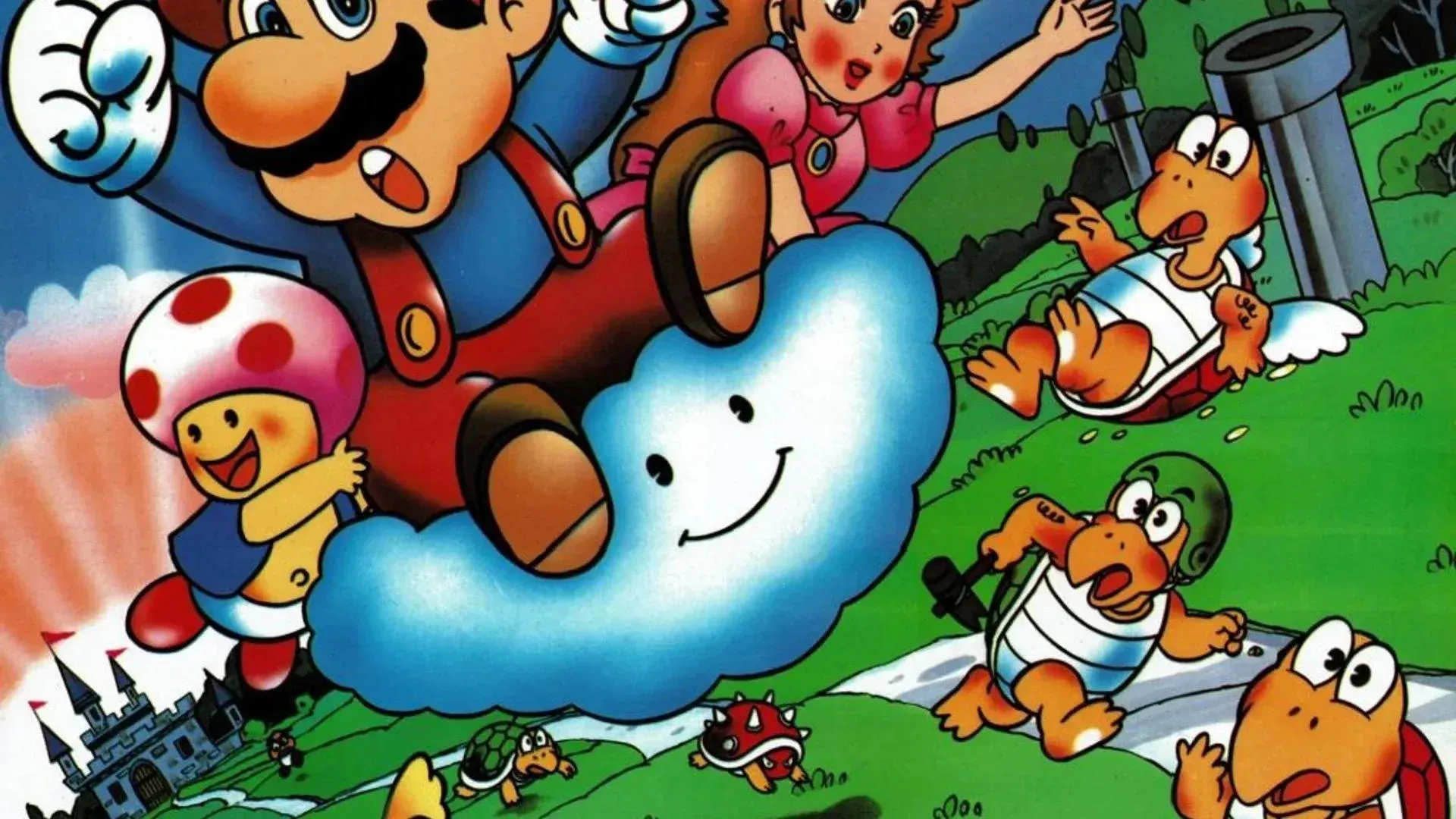


Shigeru Miyamoto has a clear read on where the console wars actually stand right now, and it has nothing to do with teraflops.
In a recent interview with Japanese gaming magazine Famitsu, the Nintendo legend said he believes players have fundamentally shifted what they want from gaming hardware. Specs, once the central battleground between Sony, Microsoft, and Nintendo, simply do not carry the same weight they used to. His take: Nintendo wins by doing things nobody else can.
Use code TRYHARD33 at checkout to redeem this offer before code expires again.
Get 33% Off GAMES+ Subscription
Why Miyamoto thinks the spec race is over
The comments came in the context of Nintendo's long history of prioritizing novel play experiences over raw power, stretching back through the Wii, the DS, and now the Switch family. Miyamoto pointed to the Switch's 8 to 9-year run as evidence that players care more about having a device at home that runs the software they want than about chasing the highest-end specs on the market.
"I think that customers are no longer just looking for specs," he said. "I think the ideal is that if you buy the software, you can play it on the device you have at home."
Here's the thing: that quote lands differently when you look at where Sony and Microsoft currently sit. Both are navigating the lead-up to their next-gen hardware under genuinely difficult conditions. Component shortages, rising manufacturing costs, and uncertain consumer appetite for another $500-plus box are real headwinds. Meanwhile, Switch 2 has already become one of the fastest-selling consoles ever recorded.
The single-architecture advantage
Miyamoto also pointed to something that does not get discussed enough: Nintendo develops for a single hardware architecture. Every first-party studio targets the same device. No splitting resources between console and PC ports, no managing multiple SKUs with different performance profiles, no figuring out if the game runs better on the disc version or the digital one.
He specifically flagged smartphones as a cautionary example, describing them as devices that are "everywhere" but present real headaches for developers because of fragmented performance levels and inconsistent features across models.
The contrast with Sony and Microsoft is stark. Sony has been walking back its PC porting strategy after mixed results, while Xbox continues to publicly wrestle with what it actually wants to be: a console platform, a third-party publisher, or something in between. Nintendo just keeps shipping games people want to play on hardware that does exactly what it promises.
What this means for players watching next-gen unfold
Miyamoto's comments are not just philosophical. They reflect a real strategic position that has produced measurable results. Switch 1 ran for nearly a decade and is only now being discontinued in select markets. Switch 2 launched to massive demand. Nintendo's first-party titles, from the Mario Tennis Fever to Tomodachi Life: Living the Dream, keep selling on the strength of their ideas rather than their polygon counts.
For players trying to figure out where to spend their money as the next PlayStation and Xbox hardware cycles loom, that framing matters. If you want to master what Nintendo's latest lineup has to offer, our Mario Tennis Fever shots, modes, and controls guide is a solid starting point for Switch 2 owners.
The broader picture Miyamoto is painting is one where Nintendo has essentially opted out of the spec competition entirely and built a sustainable business around it. Whether that philosophy holds as Switch 2 ages and competitors push harder on raw performance will be the real test.
For everything Nintendo-related as the Switch 2 library grows, check out our full collection of gaming guides covering Nintendo's latest releases. And if you are building out your Tomodachi Life island, the Switch 1 vs Switch 2 comparison guide breaks down exactly what each version gets you.