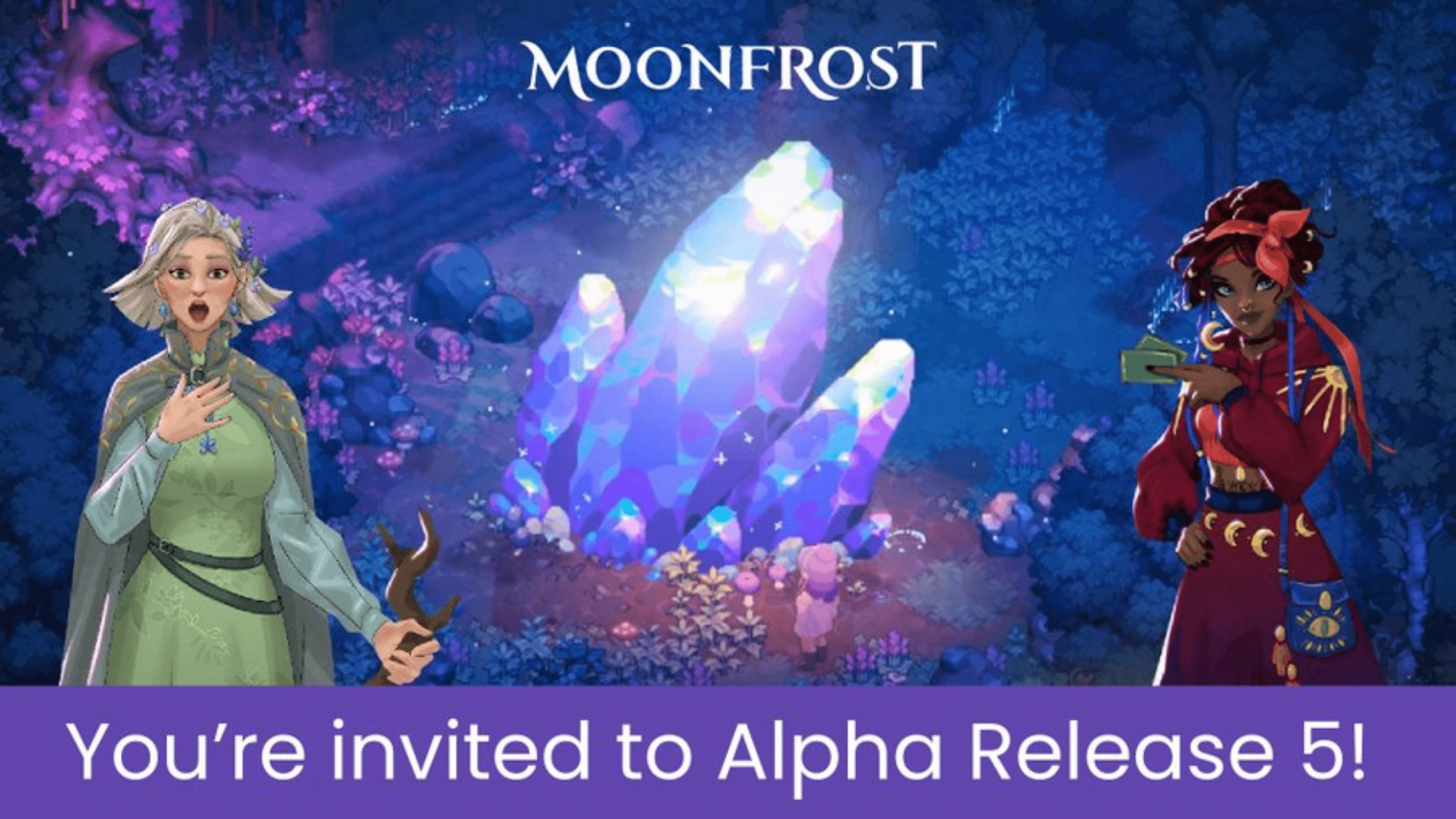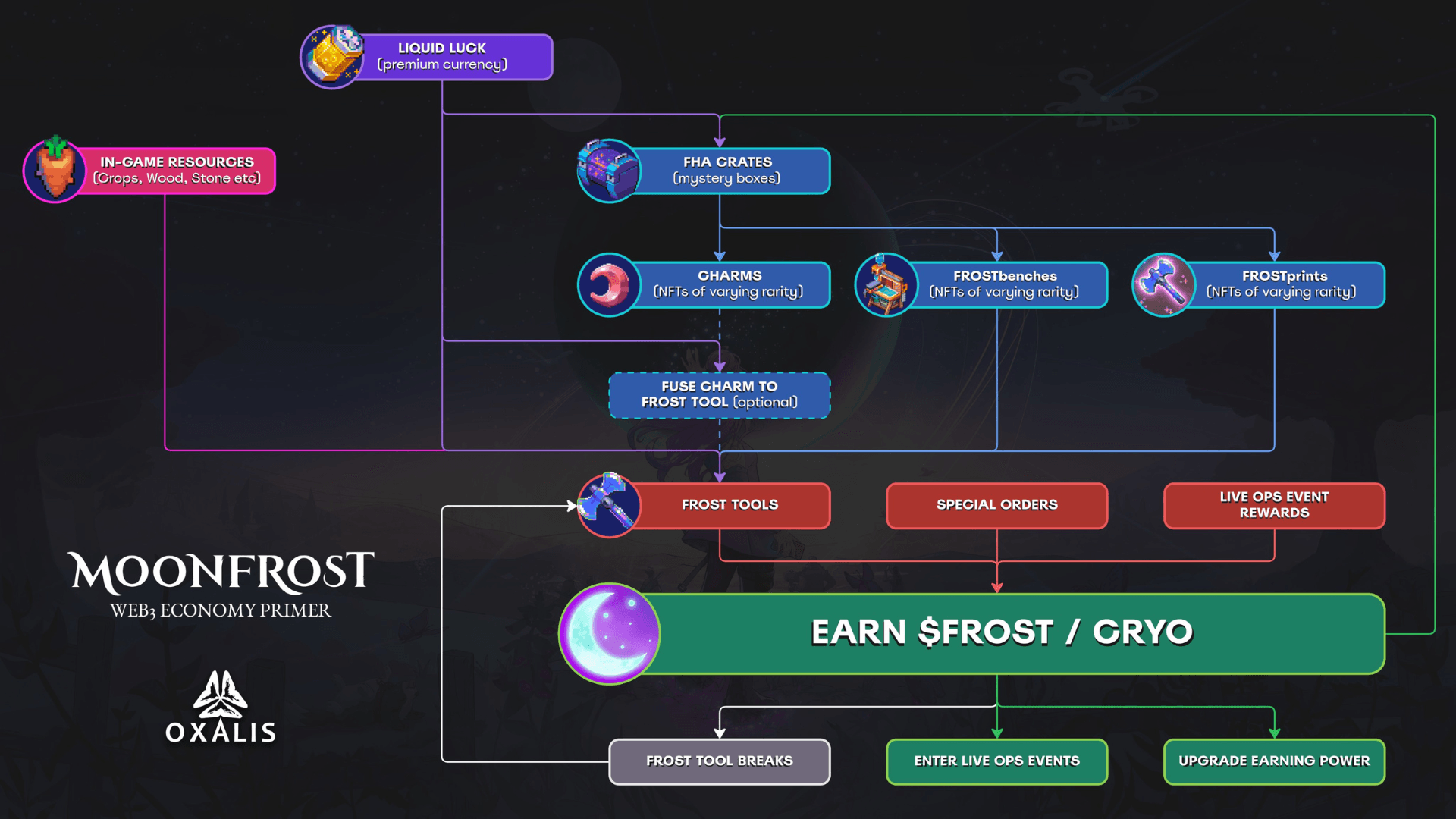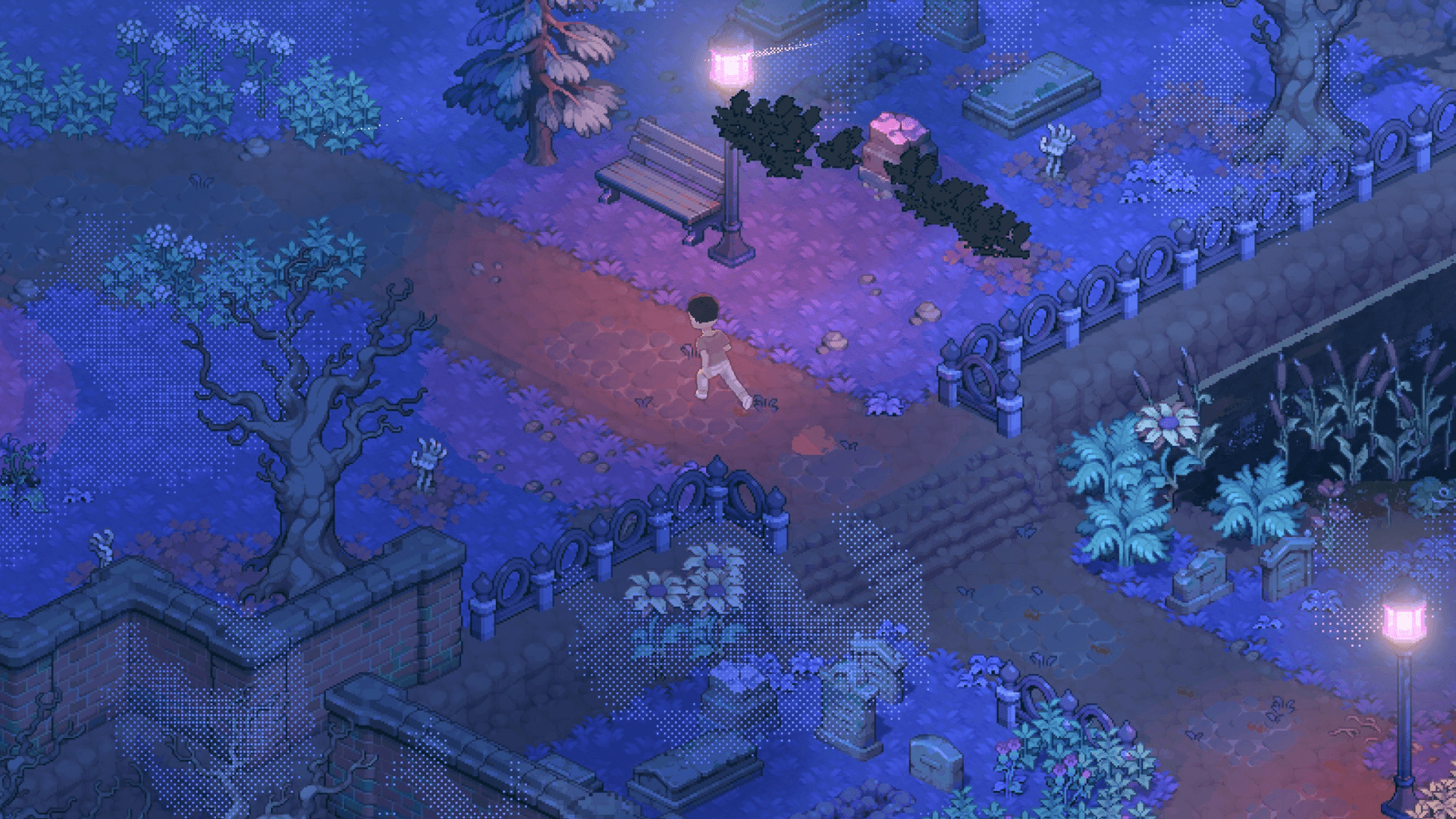

Moonfrost, the cozy farming simulator that positioned itself as a web3 answer to Stardew Valley, has abandoned blockchain integration entirely. The developers confirmed plans to relaunch the game on Steam as a premium PC title, stripping out NFTs, tokens, and all blockchain features. The shift was announced without fanfare, but it hit the community hard — players who had collected event rewards, climbed leaderboards, and accumulated NFTs were left wondering what happened to the value of their time and investment.
The timing made it worse. Just one day after Ric Moore discussed building slow, thoughtful web3 games on Alpha Wolves, Moonfrost revealed its departure from Open Loot. For players who had spent months engaging with the game's web3 systems, the announcement felt sudden and poorly timed. Whether the decision was strategically correct or not, it underscored how emotionally charged pivots can be when a community has already bought in.
Why Bridging Web2 and Web3 Players Didn't Work
Moonfrost's developers admitted that their original vision of merging traditional gamers with web3 audiences fell apart. Moore put it bluntly: "When we started, we thought a high-end Stardew-like game would be good for web3 and would bring traditional gamers over. That assumption was wrong."
That doesn't mean web2 and web3 players can't coexist in the same game. The problem is deeper: web3 players expect meaningful gameplay tied to potential financial upside, while web2 players want frictionless experiences without a transactional layer. Moonfrost struggled to satisfy both groups at once. Onboarding was slow, expectations clashed, and the game couldn't find a rhythm that worked for either audience. The result was a project caught between two worlds, unable to fully commit to either one.

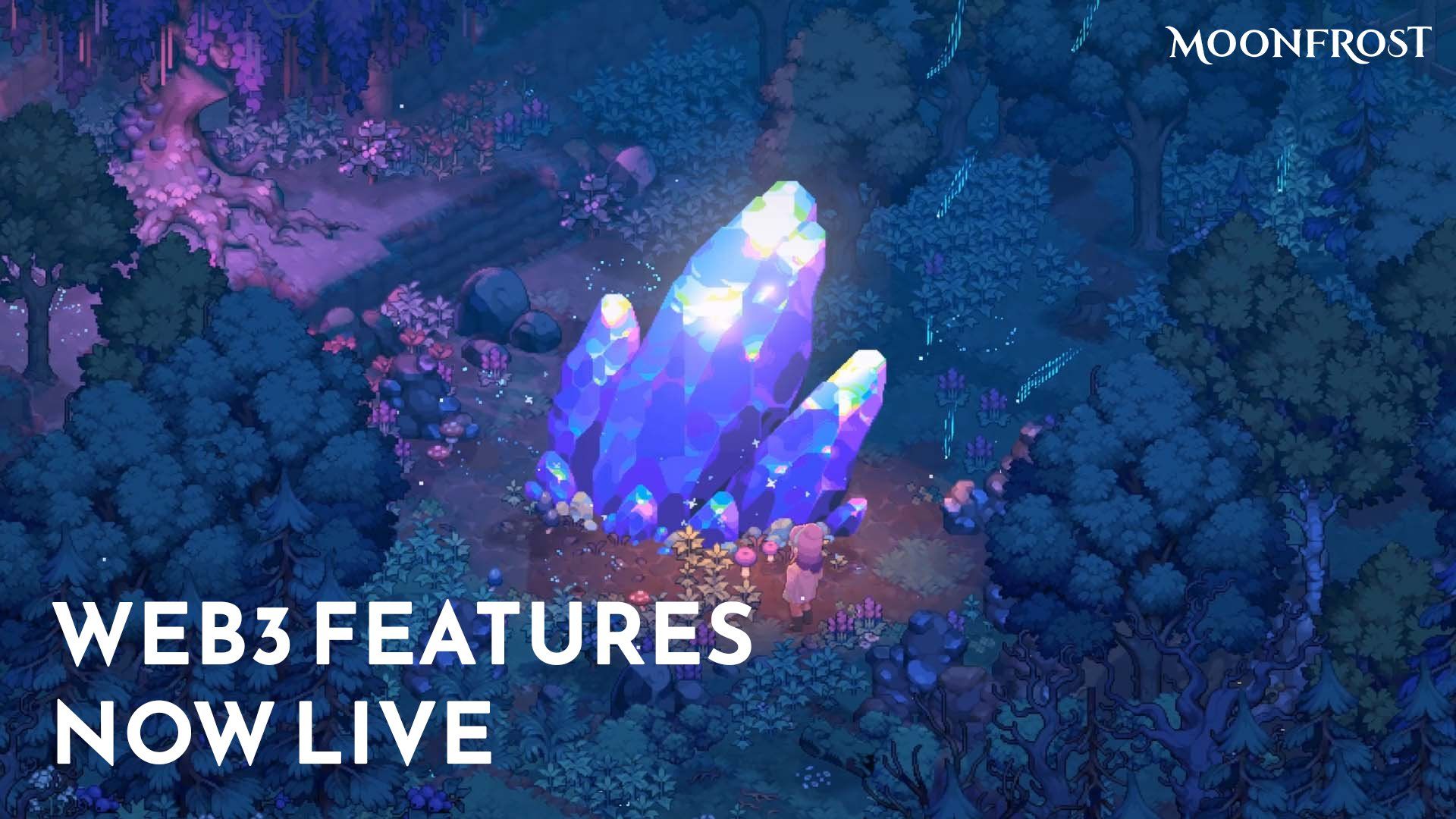
How the Announcement Landed
In web3, communication is everything. Moonfrost's pivot came right after major in-game events, which made it feel abrupt to players who had just invested time and energy into the game. Timing, tone, and transparency matter when you're managing a community that has skin in the game — literally.
The developers promised that existing items would carry over into the Frost Arcade ecosystem, but that didn't erase the sense of disruption. For many players, progress in Moonfrost wasn't just about digital assets. It was about being part of something. Even with technical guarantees, the emotional impact of the pivot couldn't be undone.
Slow Development in a Fast-Moving Space
Moonfrost's development timeline highlights a core tension in web3 gaming: building a slow, deliberate project in an ecosystem that thrives on constant updates and rapid iteration. Long development cycles breed uncertainty. When news slows down, speculation fills the gap. And when a major change finally drops, that uncertainty can turn into a feeling of betrayal, even if the pivot was necessary to keep the project alive.
When a Pivot Feels Like a Betrayal
Pivots happen all the time in gaming. The difference between a smart course correction and a perceived rug pull comes down to how the community perceives it. Even if the business reasons are sound, a pivot can feel like a betrayal if players aren't prepared or don't understand why it's happening. Moonfrost's case shows that early communication, clear reasoning, and realistic timelines are critical when you're about to change the rules on people who have already invested.
Trust is fragile. Announcing a major pivot right after a high-engagement event sends a signal, whether you intend it or not. It can make players feel like their effort was wasted or undervalued. In web3 gaming, good intentions don't matter if the execution makes people feel burned.
What Happens Next
Moonfrost's move to Steam isn't necessarily a failure, but it's a test. The long-term outcome depends on whether the developers follow through on their promises to existing players, how Frost Arcade develops, and whether future versions of the game can maintain the sense of continuity that players expect. For other web3 developers, the takeaway is straightforward: timing, transparency, and communication matter as much as the game itself.
Frequently Asked Questions (FAQs)
Why did Moonfrost leave web3?
The developers struggled to bridge web2 and web3 audiences. Blockchain features saw slow adoption, and sustaining the project within the web3 ecosystem proved unsustainable.
Will my NFTs and in-game items still have value?
The developers say existing items will retain value within the upcoming Frost Arcade ecosystem. Some players remain skeptical about continuity and whether their emotional investment will be honored.
What platforms will Moonfrost be available on after the pivot?
The game will relaunch as a premium PC title on Steam, with no tokens, NFTs, or web3 elements.
Is this move considered a failure for web3 gaming?
Not necessarily. The pivot reflects the difficulty of web3 adoption and a strategic decision to focus on sustainability and broader audience reach. It doesn't mean web2 and web3 are fundamentally incompatible.
How should web3 developers handle community communication during major changes?
Developers need to provide early context, transparent reasoning, and clear timelines. Thoughtful timing and consistent updates help preserve trust when making major pivots.