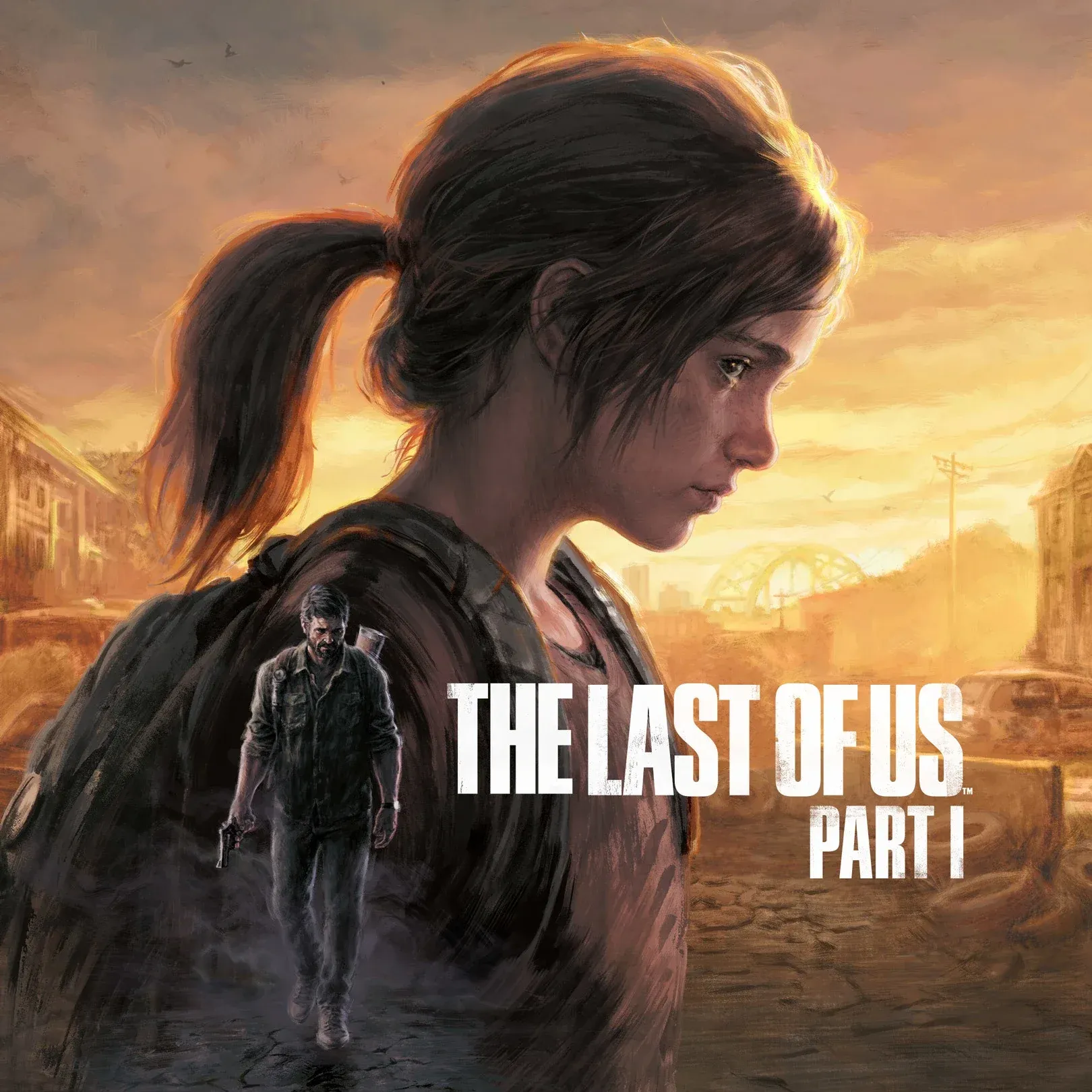


The game that redefined PlayStation storytelling and eventually spawned one of HBO's biggest hits almost got a budget marketing push because a Sony executive genuinely did not think it would sell.
The Last of Us Part I sits at over 20 million copies sold and anchors a franchise that now includes a hit TV adaptation, but the road to that point was far from certain. Quentin Cobb, a former designer at Naughty Dog who worked on the original game, recently shared that the skepticism ran deeper than most fans would expect.
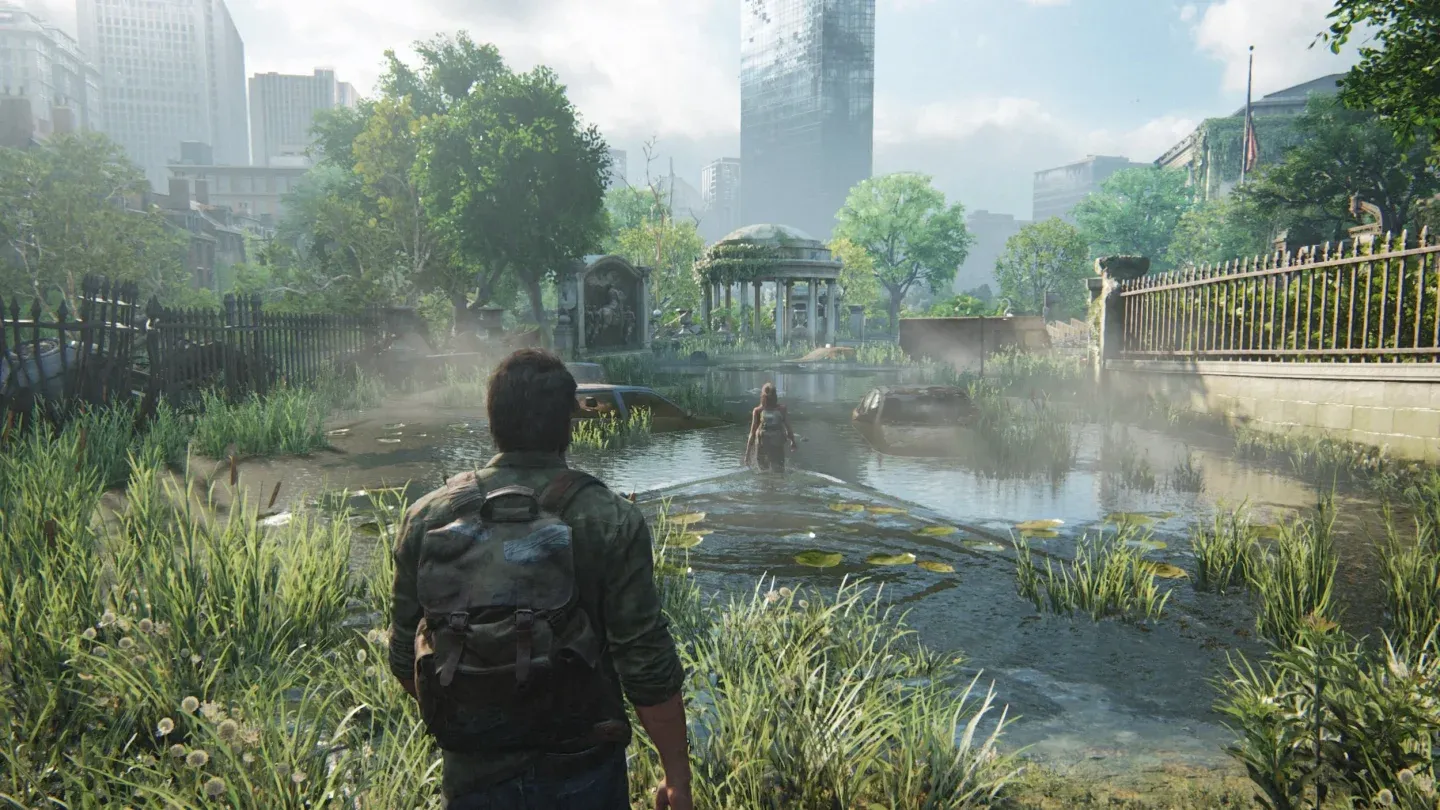
Joel and Ellie's iconic journey
When the studio itself wasn't sure
"People did not know how good that game was," Cobb said in a recent interview. "Even inside the studio. Where we were done, there were some people that were like, 'I don't know if it's going to be good, I don't know if people are going to get it.'" That kind of internal uncertainty is striking given what the franchise became, but it makes more sense when you consider the context.
Naughty Dog had just shipped Uncharted 3: Drake's Deception in 2011. That game was loud, cinematic, globe-trotting fun, the kind of blockbuster action that PlayStation fans had come to expect from the studio. The Last of Us was the opposite in almost every way: slow-burn, emotionally brutal, grounded in grief, and built around a survival horror loop that sat well outside Naughty Dog's established wheelhouse.
The shift was jarring enough that even people building the game weren't fully confident players would follow them there.
The Sony exec who almost lowballed the marketing budget
Here's the thing: the doubt didn't stop at the studio walls. Cobb described a specific moment where a high-level Sony executive reviewed the game ahead of launch and concluded it only warranted a small marketing budget. The exec's read was blunt: "It's not going to do very well."
That kind of call, made before a game has had the chance to land with real audiences, can shape how a release performs. A smaller marketing push means less visibility, fewer day-one sales, and a harder road to the word-of-mouth momentum that eventually made The Last of Us a cultural event. The fact that the game broke through anyway says a lot about how strong the product actually was.
Why the Uncharted comparison made sense at the time
Looking back, the hesitation is understandable. The survival horror genre in 2013 had a dedicated fanbase but rarely crossed over into mainstream blockbuster territory. Resident Evil and Silent Hill were established names, but neither commanded the same commercial footprint that a flagship Sony studio like Naughty Dog typically delivered.
The Last of Us asked players to sit with loss, to manage scarce resources, and to invest in a relationship between two characters whose dynamic was built on trauma rather than spectacle. That's a harder sell in a pre-launch pitch meeting than Nathan Drake swinging across a burning cargo ship.
What most players miss when looking back at this period is how genuinely risky the tonal pivot felt from a business perspective. Naughty Dog was a proven commodity. Betting that commodity on something this different from Uncharted 3 required real conviction from the development team, even when others around them were uncertain.
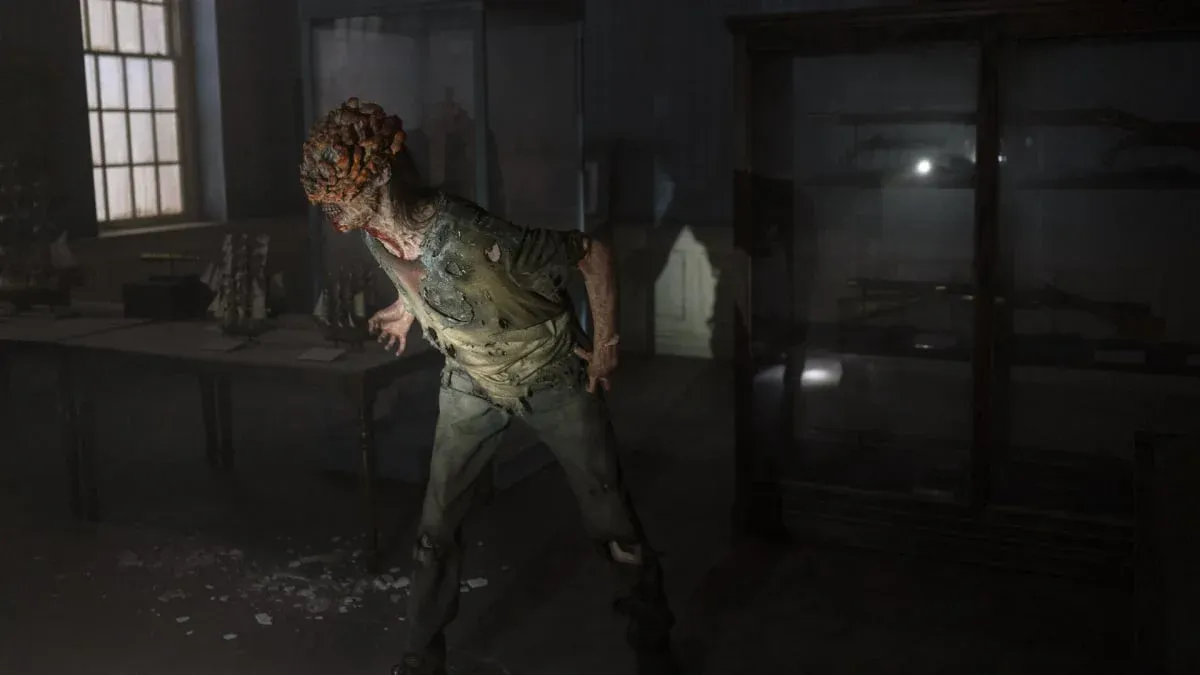
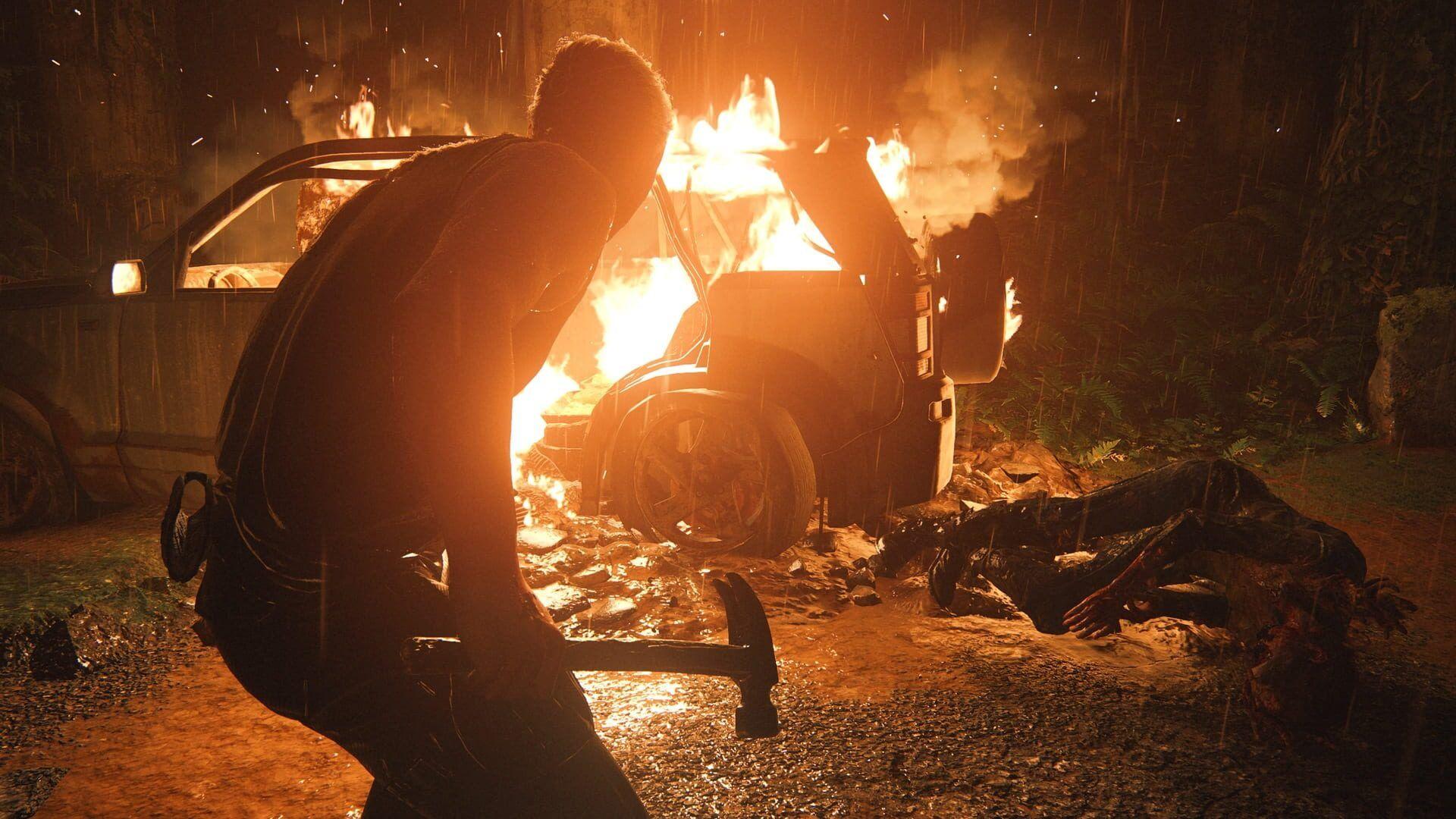
Clicker encounters defined the tension
From a small budget call to 20 million copies
The game launched in June 2013 and the rest is history that the industry still references. Twenty million sales, a PS4 remaster, The Last of Us Part I remake built from the ground up for PS5 and PC, and a TV adaptation that drew audiences who had never picked up a controller. The franchise became exactly the kind of prestige IP that Sony now builds its first-party identity around.
The exec who nearly greenlit a minimal marketing spend presumably had a different perspective by the time the sales figures came in.
Cobb's account fits a pattern that has emerged from former Naughty Dog staff over the past few years, one where creative ambition inside the studio frequently outpaced confidence from the outside. The Last of Us sparked documented internal debate about its identity as a zombie game, and that friction appears to have extended all the way up to Sony's marketing tier.
For anyone wanting to revisit what all the doubt was about, the full strategy guides and resource collection across the franchise are a good reminder of just how much depth Naughty Dog packed into a game that some people almost undersold before it had a chance to prove itself.