
Party Icons has closed a $9 million funding round despite difficult market conditions. Bitkraft Ventures led the round, joined by IDG Capital, Gam3Girl Ventures, Leap Capital, Mantle Network, and other investors. This brings the company's total raised to $20 million.
CEO Sim stated the capital will speed up development of the platform's gaming and social features. Party Icons blends distinctive gameplay systems with a player-driven economy powered by web3 tools. The funding will also support the company's expansion into major markets through 2025.
What is Party Icons?
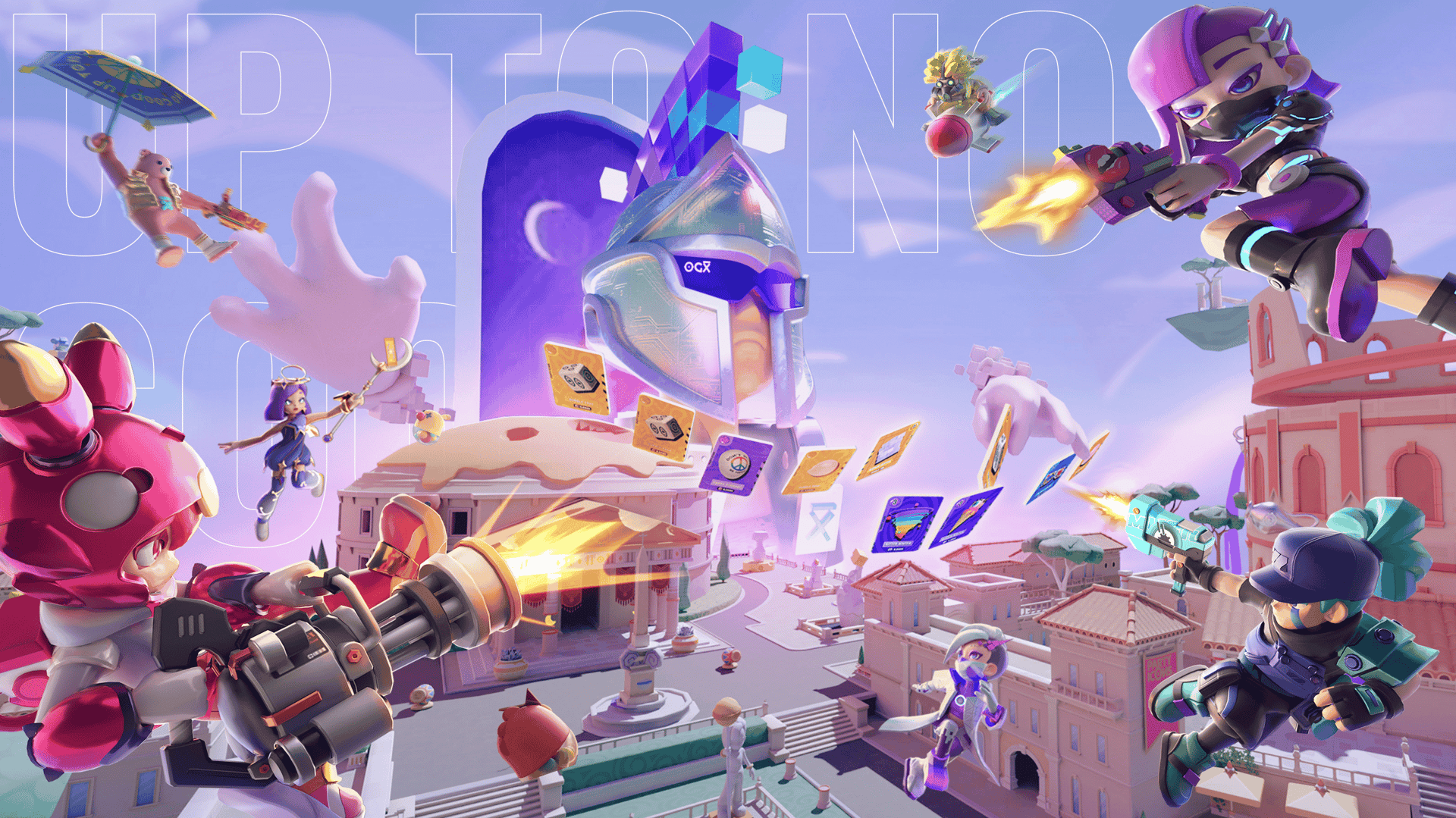
Party Icons currently features three main game modes, with additional modes in development. Party Heist, the flagship mode, is a party royale where four two-player teams compete across colorful maps. Teams can grab treasure and extract early or fight rival squads for larger payouts. The mode prioritizes fun and quick action over hardcore tactics.
Party Brawl delivers 3v3 team deathmatches with rapid, high-energy combat. Carnival Clash offers a more relaxed vibe through 25-plus party games built for casual play. Every mode keeps sessions under 12 minutes to match how people actually play mobile games today.
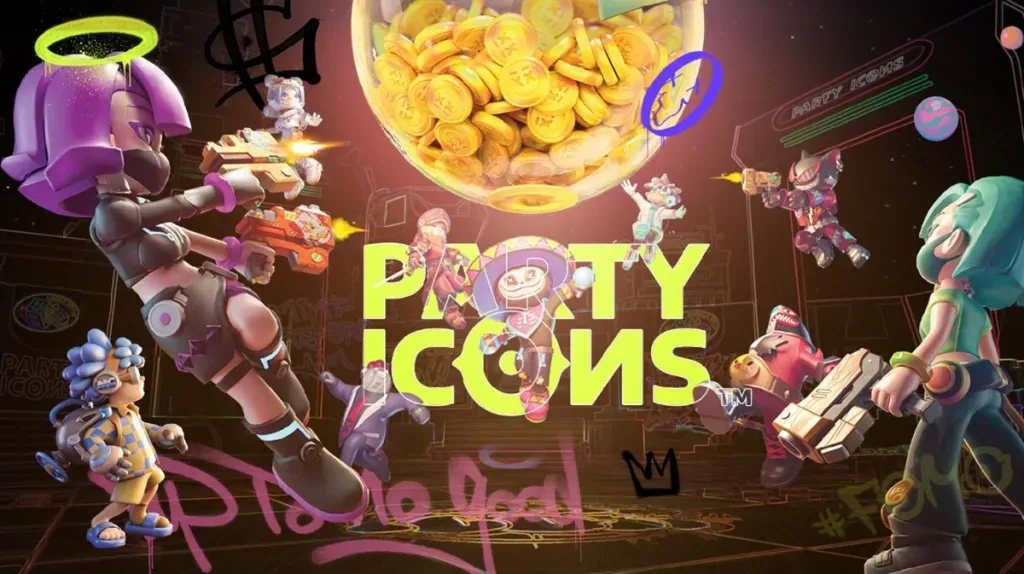
Players choose Hero Icons, characters drawing from art toys and pop culture. Each hero has distinct combat skills and upgradeable weapons that add progression to the fast matches. Some heroes and weapons are minted on-chain, turning them into tradable assets within the Partyverse economy.
Party Icons Key Art
God Mode and the Role of Spectators
Party Icons includes a hidden mode called God Mode, exclusive to OGX̅ NFT holders. These holders act as game masters who can alter matches in real time. Drawing inspiration from popular survival games like Squid Game and Hunger Games, OGX̅ holders drop loot and shift match dynamics, injecting chaos into the battlefield.
The platform also introduces a Spectator role that lets viewers actively participate during live streams. Using specialized technology, spectators can interact with game elements and affect outcomes as matches unfold. This feature launches in 2025 and aims to merge gameplay with live-streaming in a way that goes beyond passive watching.
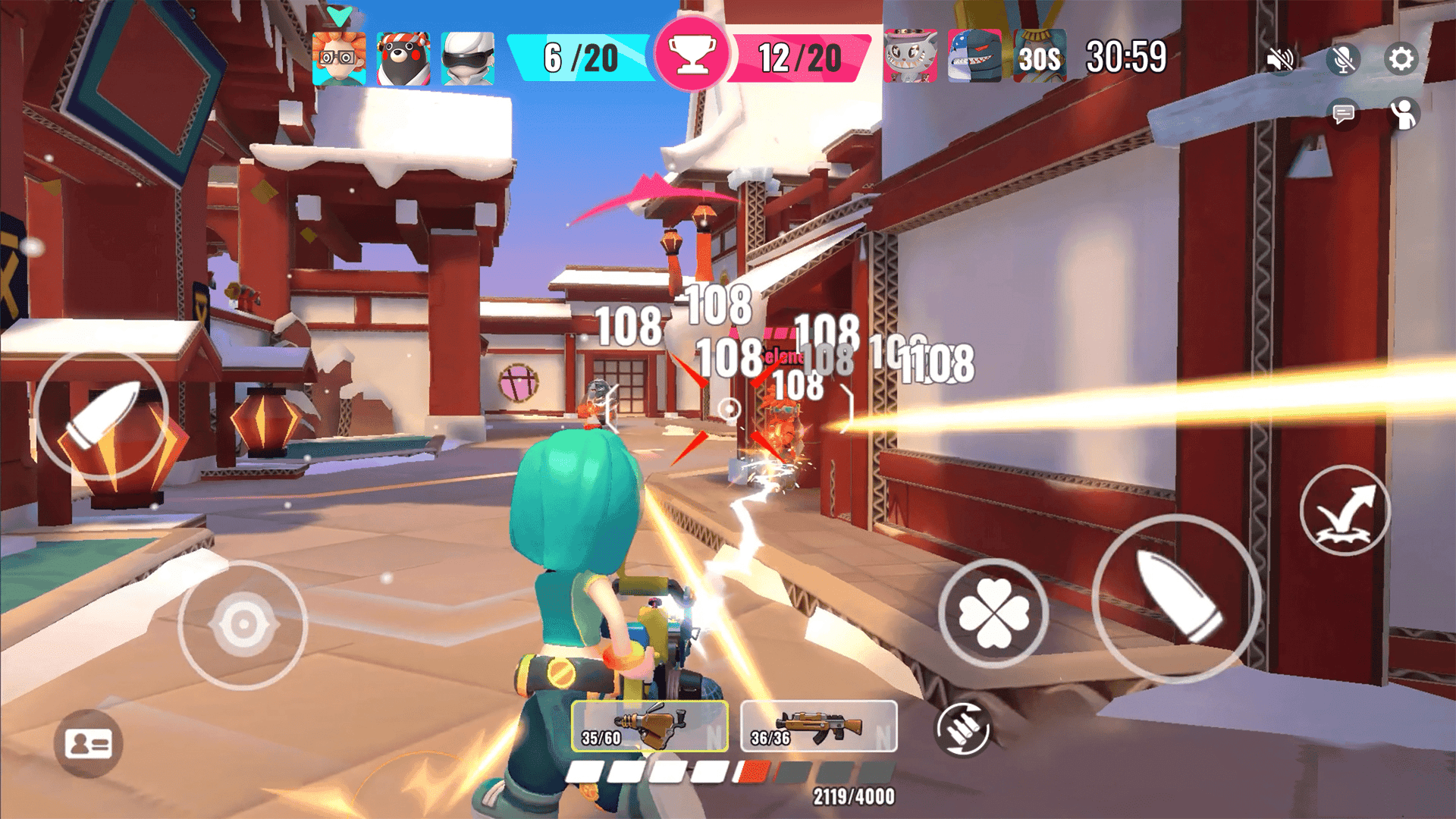
Party Icons Gameplay 1

Party-as-a-Service: A Decentralized Live Operations Model
Party Icons runs on a Party-as-a-Service (PaaS) model that decentralizes live operations and economic control. Traditional games keep all operational power with the developer. Party Icons hands that power to guilds, streamers, and other community groups, letting them shape their own in-game experiences.
Mirship NFTs drive this decentralized structure. Holders can form Mirship Clubs, which are communities that organize events, host tournaments, and manage activities through data dashboards. This setup democratizes competitive gaming by opening esports-style experiences to more players instead of limiting them to top-tier competitors.
Gabby Dizon, founder of Yield Guild Games (YGG), described Party Icons as an ideal fit for bringing communities into web3, giving them ownership stakes in the in-game economy while delivering social and competitive mobile gaming experiences.
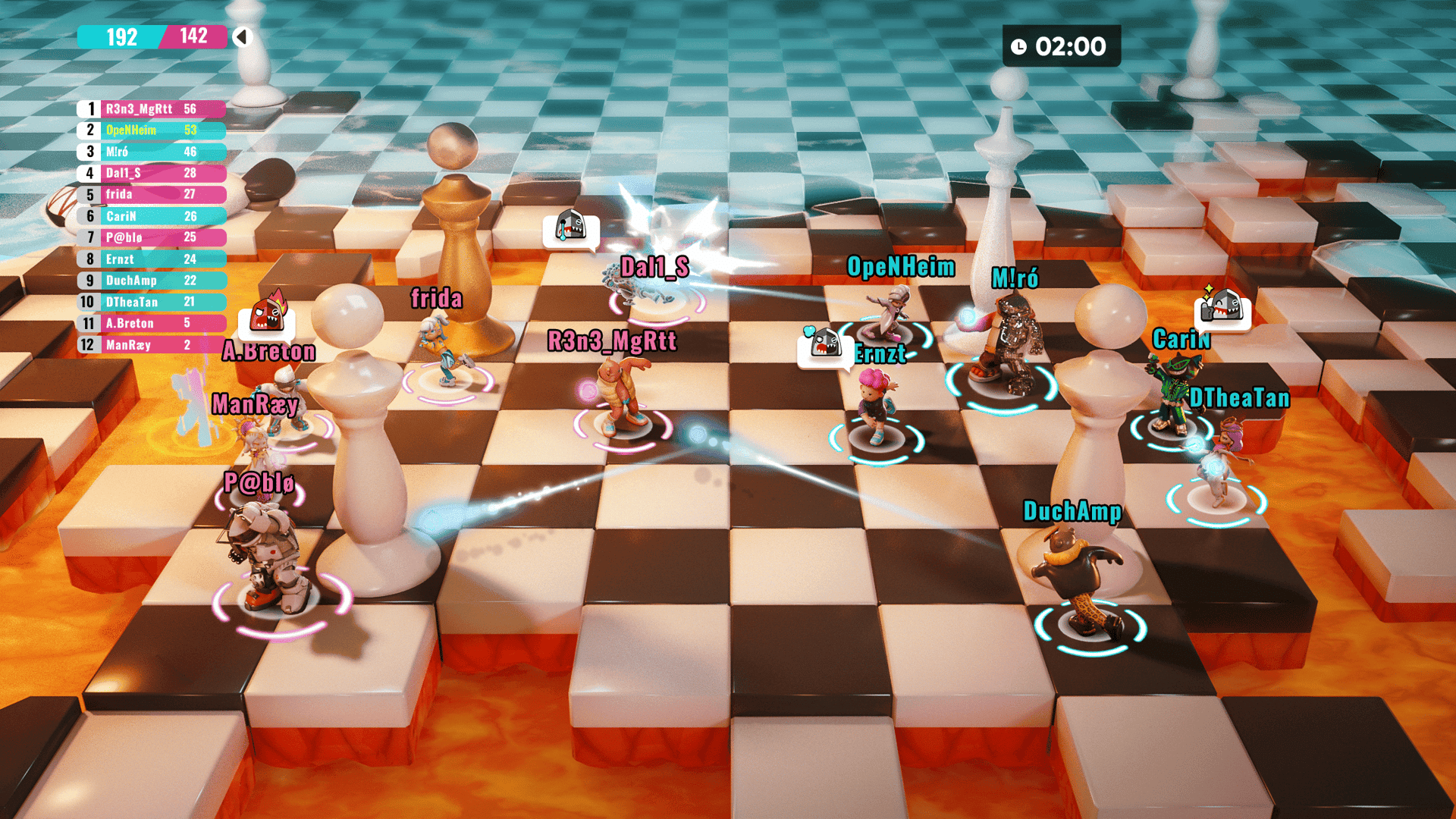
Party Icons Gameplay 2
Expanding Web3 Integration
Party Icons uses web3 infrastructure to build a player-driven economy where digital assets earned in-game carry real-world value. This integration extends to God Mode, where NFT holders influence matches, and in-game loot airdrops deliver tangible rewards to players.
The decentralized operations model turns players from passive consumers into active contributors who help develop the game and its economy. With the new funding, Party Icons plans to expand its web3-enabled functionalities, deepening the ecosystem and giving players more control over their digital assets and experiences.
Party Icons is carving out a new direction in gaming by combining inventive gameplay with web3 technology. Through its Party-as-a-Service model, players and communities gain real influence over their gaming experiences and the platform's trajectory. As the company grows its ecosystem, it positions itself to shape how the next generation plays and interacts with games.