
Physical game sales have been shrinking for years, but this number puts it in stark perspective: just 7 PlayStation games across all publishers and all PlayStation platforms have sold more than 100,000 physical copies in the United States so far in 2026.
That figure comes from Mat Piscatella, senior director and video game industry advisor at Circana, who posted the data on Bluesky on July 20. He wasn't making a case for or against Sony's upcoming disc policy. He was responding to the wave of backlash flooding PlayStation's YouTube channel, and his point was blunt: the numbers don't lie.
The numbers behind the noise
Piscatella's post stated that only 2 PlayStation games sold more than 10,000 physical units in the US during the single week ending July 11, 2026. Year-to-date, just 7 titles have cleared the 100,000 physical unit threshold. He later clarified this covers every game on every PlayStation platform from every publisher, not just Sony first-party titles.
That's a striking picture. Seven titles. The whole ecosystem. Six and a half months into the year.
To put that in context, a single mid-tier release in the PS3 era could clear 100,000 physical copies in a weekend. The format isn't just declining; it's operating at a fraction of its former volume.
What this means for Sony's disc decision
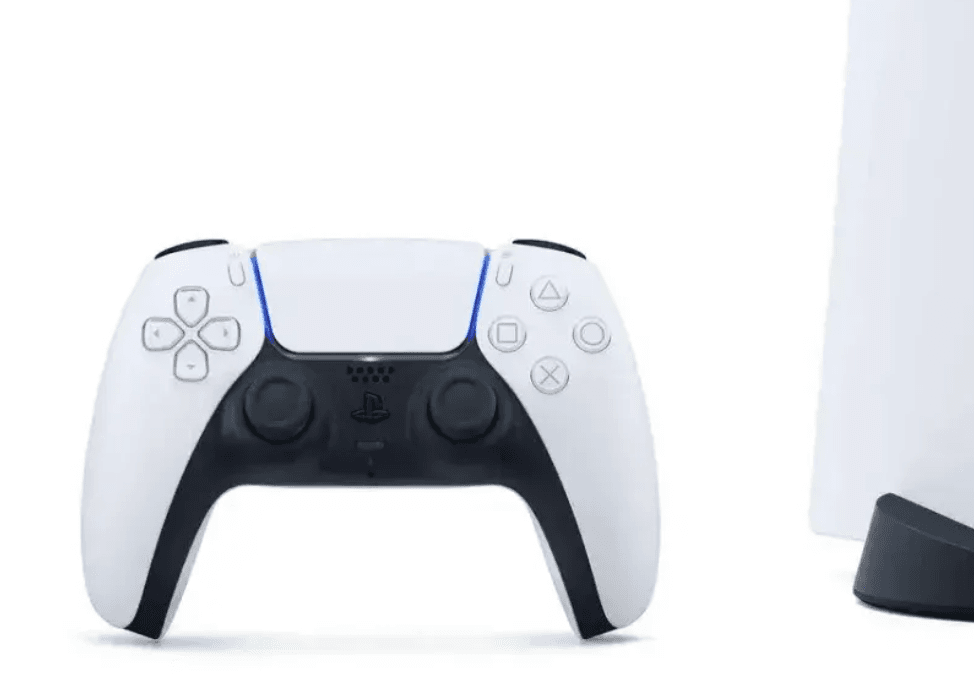
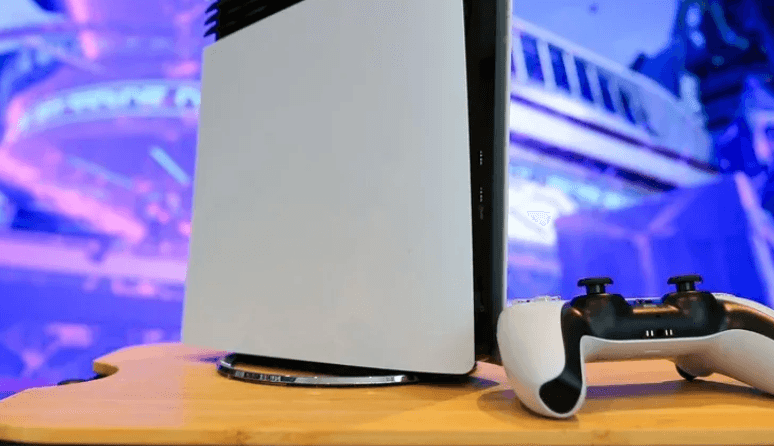
Sony announced three weeks ago that it will stop releasing new games on disc for PlayStation consoles starting January 2028. The backlash has been consistent and loud. PlayStation's YouTube channel has seen comment sections on unrelated trailers, including games that were never getting physical releases, flooded with anti-disc complaints and more dislikes than likes.
Here's the thing: Piscatella isn't dismissing the frustration. His comment was that voicing displeasure is valid, but that the data reflects a market that has already moved on from physical media in large numbers. The people most affected by Sony's decision are a real group with legitimate concerns, but they represent a shrinking slice of PlayStation's total player base.
The analyst also pointed to a potentially bigger flashpoint ahead. When asked about what could actually determine PS6's commercial success, he suggested the console's price point matters far more than disc support. If the PS6 launches at $1,000 or above, physical game availability likely won't even factor into most buyers' decisions.
The gap between online sentiment and actual buying habits
This is a pattern worth watching. Online backlash to platform decisions, especially ones tied to physical media and ownership, tends to amplify the voices of a passionate minority. That's not a dismissal of their concerns. Preservation, resale value, and internet-independent access to games are real issues that deserve serious discussion.
But the retail data tells a different story about where the average PlayStation owner is actually spending money. If physical PlayStation software were a thriving category, Sony's decision would carry far more commercial risk. Seven titles crossing 100K units year-to-date suggests the disc format on PlayStation has already become a niche.
For players still invested in physical releases on PS5, titles like the upcoming Saros are worth watching closely. Check the Saros file size and pre-load date guide for everything you need to know about preparing for that one ahead of launch.
The broader conversation about what Sony's disc exit means for game preservation, third-party publishers, and the retail sector isn't going away. Neither is the question of how PS6 pricing will land with the mass market. Both stories are going to develop significantly before January 2028 arrives. Keep watching the numbers, because the next Circana monthly report will tell us whether July's data is a floor or just another step down.
For more coverage on what's happening across PlayStation and beyond, the gaming guides hub has you covered on the games worth playing while this all plays out.