
Google added Genie 4 real-time editing to Project Genie on November 18, 2026. The update lets users reshape AI-generated worlds while exploring them and adds generated audio to the interactive scenes.
Google first unveiled Genie 4 in October. Its arrival in Project Genie builds on a browser-based experiment for creating interactive environments, where the scene is generated as a user explores instead of being presented as a finished video.
Change the world without restarting
Genie 4 accepts text instructions during an exploration session. Users can change the weather, introduce a character, or redirect events without starting over. The editing happens inside the world they are already exploring.

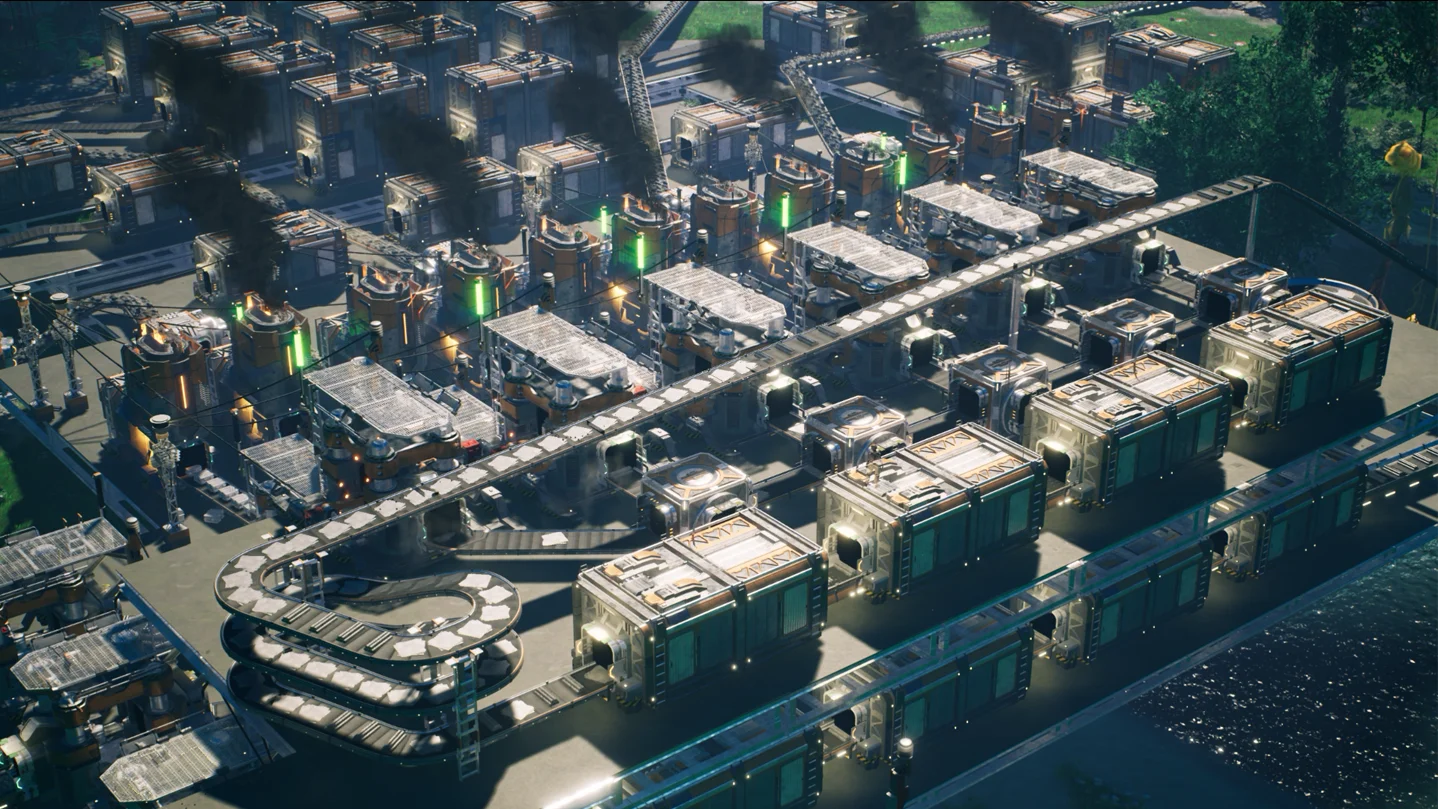
Genie 4 generated environment
The model generates sound alongside its visuals, including wind and footsteps. Characters can also produce dialogue that responds to events in the scene, bringing reactive speech into the same generated environment.
Google says Genie 4 improves character movement and the way objects respond to physical forces. Those improvements are Google's claims about the model, not independent assessments of its behavior.
An experiment, not a conventional game engine
Project Genie remains an experimental world-generation tool. It predicts what a scene should look and sound like as it changes, unlike a traditional game engine working with a stable level and fully defined rules.
Google applies safety screening to the tool's inputs and outputs. Project Genie's generated audio and video also carry SynthID watermarks, which identify the content as AI-generated.
Google acknowledges limits that affect how reliably these worlds behave:
- Objects can drift or change between views.
- Complex physics remain difficult for the model.
- Generated speech and text may be inaccurate.