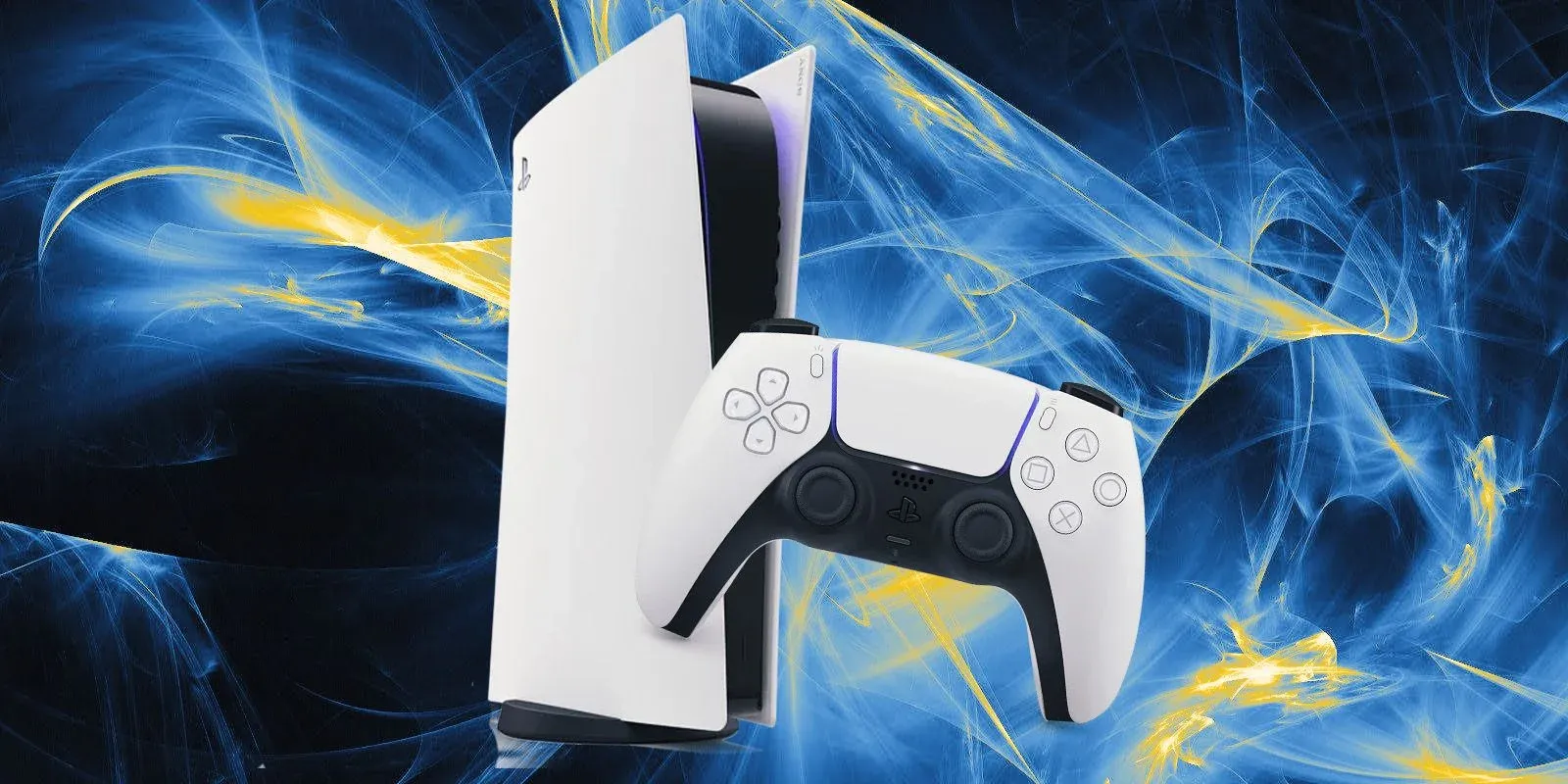


A class-action lawsuit filed against Sony Interactive Entertainment is now putting the company on the legal hot seat over PS5 price increases tied to tariffs that no longer exist.
The case, Walker et al v. Sony Interactive Entertainment LLC, was filed on May 6, 2026 in the U.S. District Court for the Northern District of California. Plaintiffs Amorey Walker and Bryce Foster-Quarles argue that Sony received a "substantial windfall" after raising PS5 prices in response to tariffs enacted by U.S. President Donald Trump, and that those gains should be returned to the consumers who paid the higher prices.

Use code TRYHARD33 at checkout to redeem this offer before code expires again.
Get 33% Off GAMES+ Subscription
The $50 price hike that started it all
Back in August 2025, Sony announced it was raising the price of the standard PS5, the Digital Edition, and the PS5 Pro by $50 each. The company pointed to a "challenging economic environment" as the reason, which was widely read as a direct reference to Trump's tariff policies affecting its supply chain and import costs.
Here's the thing: those tariffs were struck down by the U.S. Supreme Court in February 2026. That ruling created an awkward situation for companies like Sony that had already passed tariff-related costs onto consumers. If Sony is now receiving refunds or relief from the tariff reversal, the plaintiffs argue that money constitutes a "double recovery windfall" that rightfully belongs to the buyers who absorbed those costs in the first place.
The suit would potentially cover any consumer who purchased a PS5 at the post-August 2025 elevated price points.
Sony is not alone in the courtroom
What most players miss in this story is that Sony isn't the only gaming giant facing this kind of legal pressure. A nearly identical case was filed against Nintendo just last month by plaintiffs Gregory Hoffert and Prashant Sharan, targeting price increases on Nintendo Switch accessories that went up in April 2025. The argument is structurally the same: tariffs justified the hike, the tariffs are gone, so where does the money go?
The parallel lawsuits suggest a broader pattern of consumer pushback against hardware pricing decisions made during the tariff period. Both cases are built on the same core question: when the legal basis for a price increase disappears, does the company have an obligation to make customers whole?
More Sony pricing pressure piling up
The timing of this lawsuit is notable. Sony also announced a price increase for its PlayStation Plus subscription service this week, citing "ongoing market conditions." Separately, Sony is expected to pay out approximately $78 million in a settlement related to a different PSN lawsuit, following preliminary approval from a California judge earlier this month.
For PS5 owners, that is a lot of financial news hitting at once, and most of it points in one direction: paying more for the PlayStation ecosystem. The Walker lawsuit is the most direct attempt yet by consumers to push back and recover costs from the tariff-era price changes.
The key here is that the legal theory depends on whether courts agree that the tariff reversal constitutes a windfall Sony must share. That is not a settled question, and the case could take years to resolve. If you purchased a PS5 after August 2025 and want to stay informed on whether you might be included in any eventual settlement class, tracking the Northern District of California docket for case number 3:2026cv04121 is the place to start.
For broader context on the PS5 and its accessories, check out our game reviews and our gaming guides covering the PlayStation platform.