

Micron CEO Sanjay Mehrotra has told investors that the global RAM shortage driving gaming hardware prices into the stratosphere won't meaningfully ease until 2028, at the earliest. That's the blunt takeaway from the company's Q3 earnings report, and the timing couldn't be worse for gamers already watching console and PC prices spiral upward.

Use code TRYHARD33 at checkout to redeem this offer before code expires again.
Get 33% Off GAMES+ Subscription
The price hikes already hitting your wallet
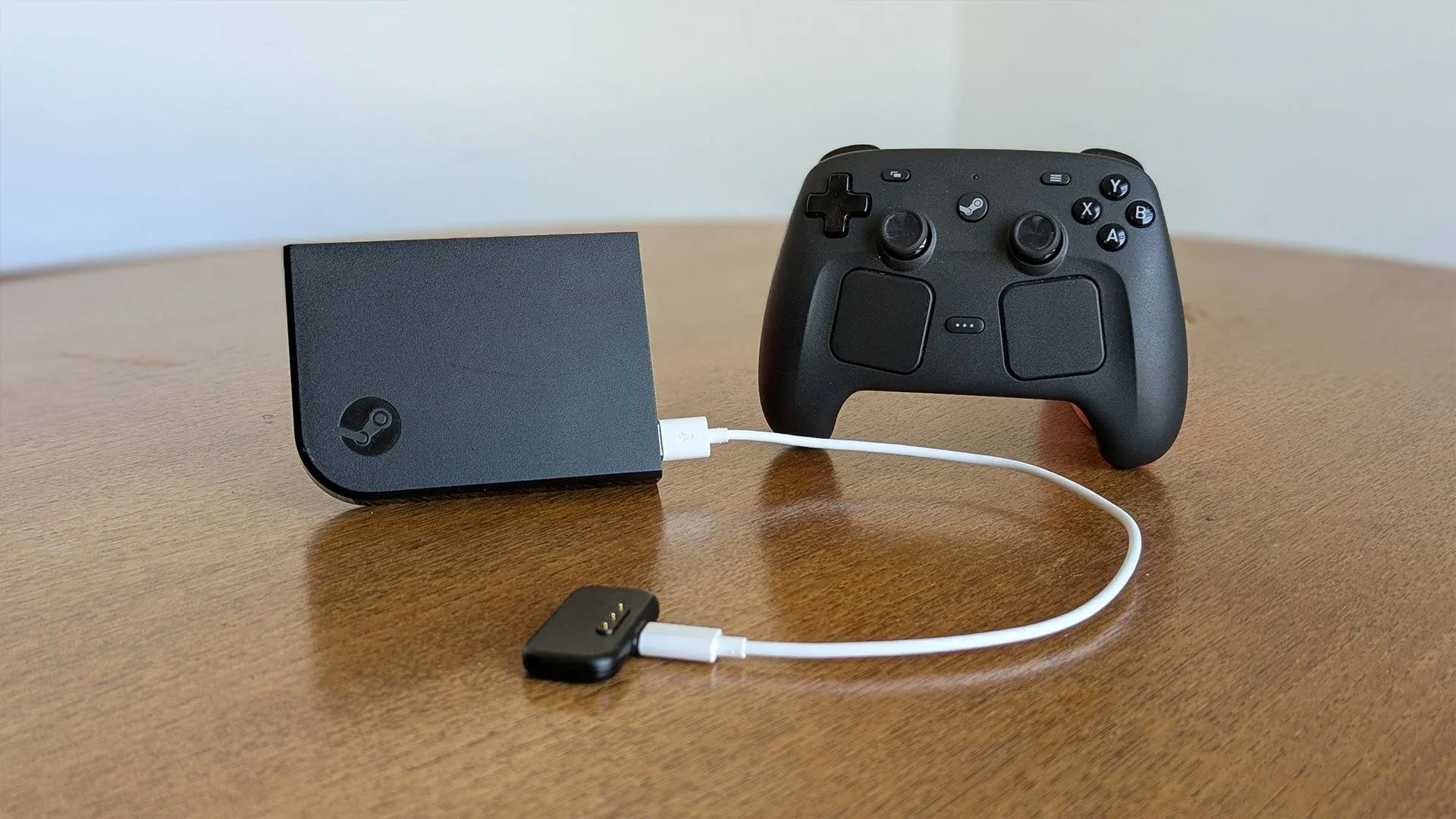
The numbers are stark. The Nintendo Switch 2 jumped $50 in price this year. The PS5 Pro now sits at $900. Valve set the Steam Machine entry price at $1,049, a figure the company's own engineers admit could have been roughly $300 lower without the RAM crunch. And just this week, Microsoft raised Xbox console prices by $100 to $150 depending on the model.
Here's the thing: these aren't isolated decisions by companies looking to pad margins. Every one of these manufacturers is getting squeezed by the same upstream problem. RAM suppliers have pricing power right now that they haven't had in years, and they're using it. Valve has been unusually candid about this, with engineers noting that RAM vendors have essentially made clear that pushing back on pricing means losing access to supply entirely.
Building your own PC isn't the escape hatch it used to be either. RAM prices for DIY builds have followed the same trajectory, making the "just build it yourself" advice feel increasingly hollow.
What Micron's CEO actually said
"We expect tight conditions to persist beyond calendar 2027 as a result of AI-driven demand across all segments coupled with structural supply constraints," Mehrotra said in the earnings report. He followed that with something even less encouraging: "Even as we expect industry supply to improve gradually in 2028, we currently do not have line of sight as to when memory supply will be able to catch up with increasing demand."
That phrase, "no line of sight," is doing a lot of work in that sentence. This isn't a company quietly optimistic about a 2028 recovery. It's a company saying the demand curve, supercharged by AI data center buildouts consuming memory at a pace the industry has never seen, has outrun any realistic supply response.
The structural issue is that memory fabs take years and billions of dollars to build. You can't just flip a switch and produce more DRAM. Micron, alongside Samsung and SK Hynix, controls the overwhelming majority of global DRAM production, and all three are prioritizing high-bandwidth memory for AI applications over the consumer-grade RAM that goes into gaming consoles and PCs.
What this means for PS6, Xbox Project Helix, and next-gen plans
The downstream consequences for next-gen consoles are where this gets really uncomfortable for gamers. Analysts have already floated predictions that the PS6 and Xbox Project Helix could launch with price tags 50% higher than the PS5 and Xbox Series X debuted at. A $999 base console isn't considered an outlandish scenario anymore.
Xbox's own hardware lead Asha Sharma has acknowledged directly that memory costs will affect both the pricing and availability of Project Helix. That's a manufacturer telling you upfront that the next console will cost more and may be hard to find, before it's even announced properly.
Both Microsoft and Sony face a genuine strategic question: launch next-gen hardware into a RAM-constrained market and absorb the PR hit of $999+ consoles, or delay until supply conditions improve. Reports suggest Sony is already weighing a PS6 delay to 2028 or 2029 for exactly this reason. If that happens, the current generation of hardware, already getting more expensive, has to carry the load for longer than anyone planned.
For PC gamers dealing with stuttering performance on demanding titles, our ARC Raiders stuttering and lag fix guide covers optimization options that don't require a hardware upgrade.
The uncomfortable wait ahead
Mehrotra's 2028 timeline assumes AI demand doesn't accelerate further, which is a generous assumption given where investment in that space is currently headed. The more pessimistic read of his comments is that 2028 is a best-case scenario, not a guarantee.
For gamers, the practical reality is this: the era of affordable hardware upgrades is on pause. The consoles and PCs available right now are going to be what most players are working with for the foreseeable future, and the prices on those products are only moving in one direction. If you're holding out for a better deal on current hardware, you'll want to watch pricing closely rather than assuming a correction is coming soon.
Next-gen console announcements and any shifts in Micron's supply outlook are worth tracking closely over the next 18 months. Keep an eye on our gaming guides for performance tips and hardware optimization advice while the broader market sorts itself out.