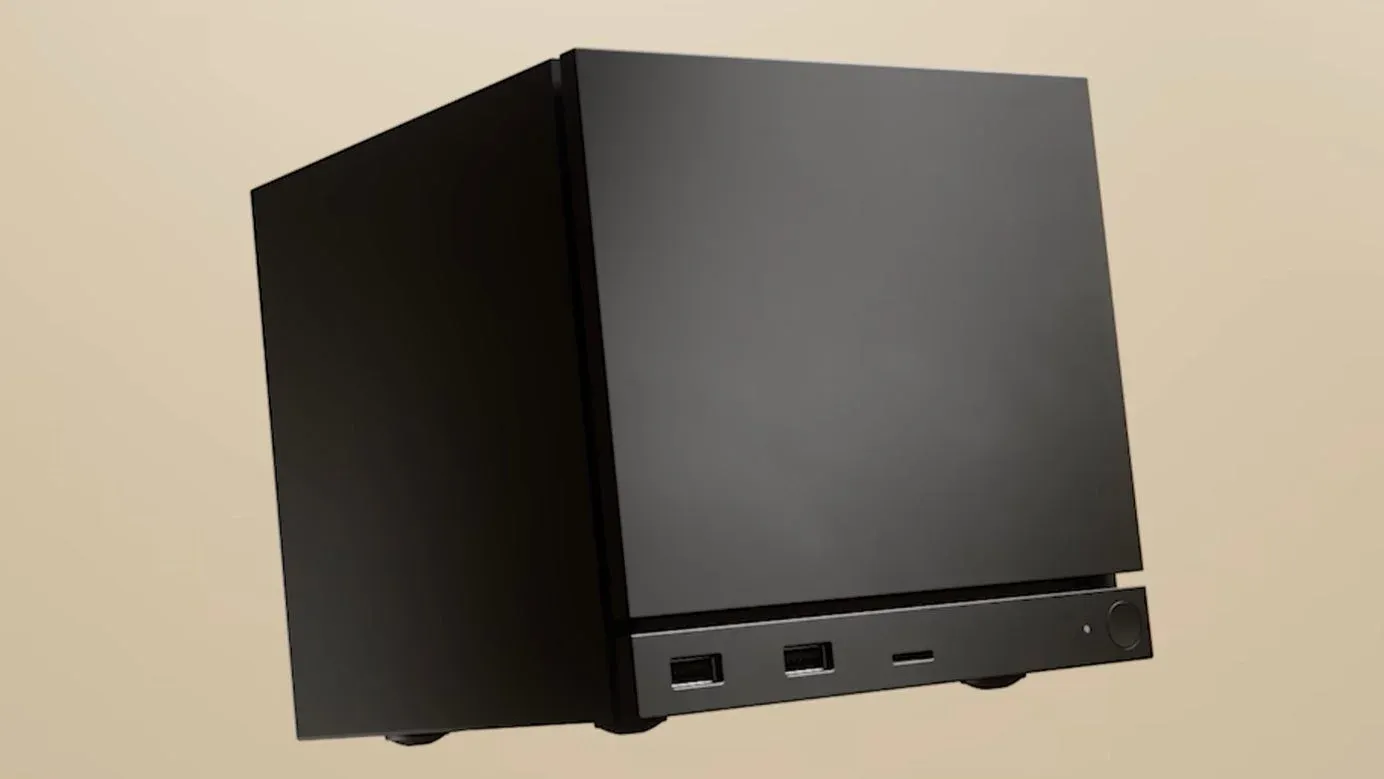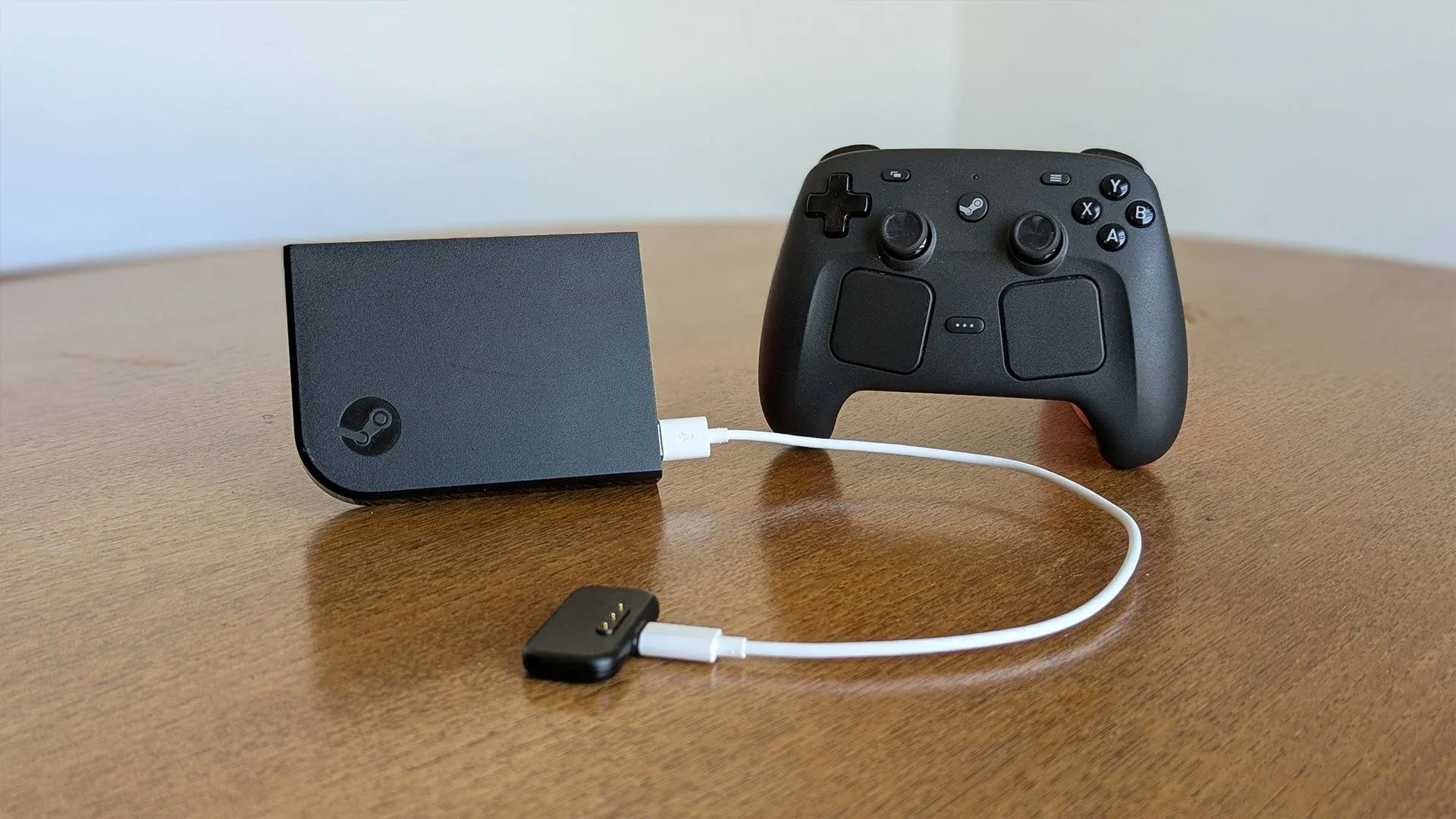


The Steam Machine starts at around $1,100. A second-hand Steam Link costs about $25 on eBay. For anyone who already owns a decent gaming PC, that price gap just got a lot harder to justify.
The story here is both absurd and deeply relatable. Someone picks up a Steam Link in 2018 when Valve bundles it with Hollow Knight for $1, spends the better part of a decade fighting connection errors, and finally cracks it just as Valve announces a shiny new living room PC. The culprit? Fraps. The benchmarking tool that last received an update in 2013 and has been silently running in the background of countless gaming PCs ever since.
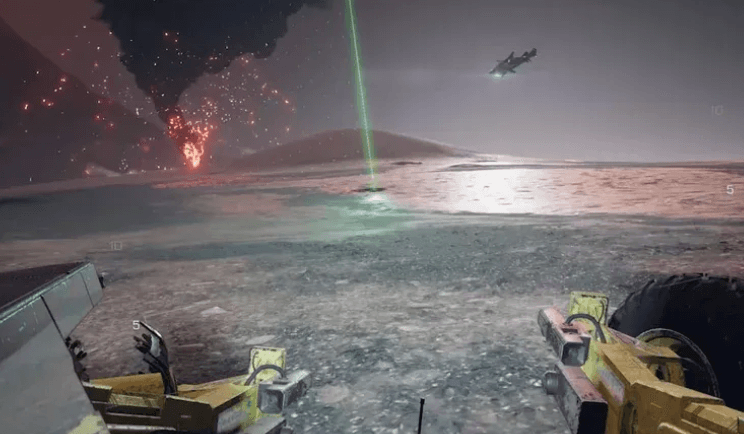
Disabling Fraps cleared the black screen and red connection icon that had killed every streaming session for years. Deep Rock Galactic: Survivor, Firewatch, Cyberpunk 2077, Dirt Rally, Titanfall 2 -- all of them running through the Steam Link with no detectable input lag or quality drop. Ten years of frustration, resolved in seconds.

Use code TRYHARD33 at checkout to redeem this offer before code expires again.
Get 33% Off GAMES+ Subscription
Why the Fraps conflict went unnoticed for so long
The Steam Link hardware launched in 2015 alongside Valve's first attempt at living room PCs. Valve discontinued the box in 2018 and dropped the price to clear stock, which is how so many people ended up with one. The problem is that troubleshooting Steam Link issues in 2026 means wading through forum threads and Reddit posts that reference hardware and software options that no longer exist. Some threads date back a decade. The graphics cards with known bugs are long retired. The menu paths people reference have been moved or removed entirely.
Fraps barely registers as a running program for people who have used it for years. It sits in the system tray, shows a frame counter in the corner of the screen, and becomes invisible through habit. The PSA thread flagging its conflict with Steam Link has existed on Reddit since around 2015, but finding it requires knowing to search for it specifically. Most people troubleshooting connection errors never get there.
The situation is made worse by the fact that "Steam Link" now refers to several different things: the original hardware box, a software app that runs on smart TVs and Amazon Fire Sticks, a sideloadable APK for devices where the app isn't officially supported, and a streaming tool for pushing demanding VR games from a PC to a headset like the Meta Quest 2. Searching for fixes pulls results from all of those contexts at once.
What the Steam Link actually delivers in 2026
Valve never stopped updating the Steam Link software, and that matters more than it might seem. The improvements made to Steam Big Picture Mode for the Steam Deck and the new Steam Machine apply equally to the streaming hardware. The interface feels current, not like a relic.
The practical experience holds up across a wide range of game types. Strategy games and UI-heavy titles like Oxygen Not Included that feel cramped on a Steam Deck screen become genuinely comfortable on a large TV, especially when paired with the new Steam Controller's trackpads for mouse-like navigation. Text-heavy games that strain on smaller displays become readable. Racing games and fast-paced shooters show no meaningful input lag over a wired connection.
Valve also updated the Steam Link to support Bluetooth device connections, which opens up scenarios that wouldn't work on a standard console. Playing a game at 3am through headphones while the TV stays silent is exactly the kind of flexibility a dedicated living room PC doesn't offer over a streaming setup.
The actual cost comparison
The new Steam Machine starts at around $1,100. That's a significant outlay for someone who already owns a gaming PC capable of running the same library. The Steam Link, by contrast, can be found secondhand for roughly $25. For anyone curious about the living room PC experience without committing to that price, there are lower-cost entry points worth knowing about:
- Secondhand Steam Link hardware turns up on resale platforms regularly for around $25
- The Steam Link app can be sideloaded onto Amazon Fire Sticks and some smart TVs
- Raspberry Pi 3 or higher can run the Steam Link software directly, making it a viable DIY project
The Steam Machine does have genuine advantages. No need to boot up a separate desktop PC before streaming can begin. Better HDMI-CEC integration. The option to pack a full gaming PC into a bag for travel. Those conveniences are real. They're just not $1,100 worth of real for someone who already has a capable desktop.
The fix that actually works
For anyone sitting on a Steam Link that has never functioned properly, the Fraps conflict is worth checking first. The tool runs silently in the background and its overlay interferes with Steam's streaming. Closing it before launching a session resolves the black screen issue that has frustrated users for years. If Fraps isn't the problem, the next step is moving to a wired ethernet connection rather than relying on Wi-Fi, regardless of signal strength.
PC streaming troubleshooting can get complicated fast, and Steam Link isn't the only piece of software that throws up unexpected conflicts. If you've run into similar issues with games refusing to launch on Steam, our Road to Vostok PC performance guide and GOALS finishing install bug fix cover some of the more common Steam-side problems that trip people up.
The Steam Machine will find its audience, particularly among people who want a clean living room setup without a desktop PC anywhere in the picture. But for the large number of PC gamers who picked up a Steam Link when Valve was practically giving them away, the hardware still works, the software is actively maintained, and the fix for a decade of black screens might be sitting in your system tray right now. Check out our gaming guides for more PC troubleshooting and setup tips across a wide range of games and platforms.