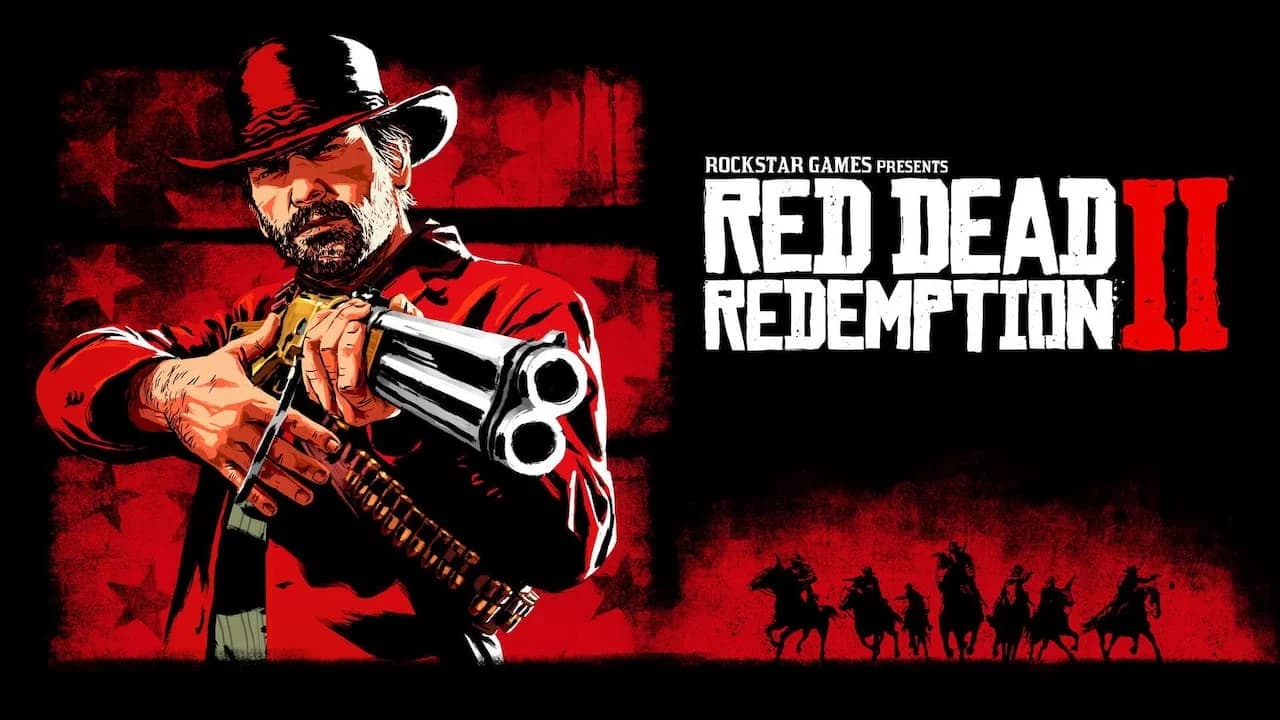

Skynizz has released Universal Ray Tracing Injector (URTI), a ReShade add-on that brings hardware-accelerated ray-traced reflections to Red Dead Redemption 2 on PC using DirectX 12.
The effect runs through Microsoft's DXR 1.1 API without changing the game's original assets or shaders. Red Dead Redemption 2 is currently the only officially tested title.
How URTI builds its reflections
URTI replays draw calls and captures their transformed geometry, then uses that geometry to build ray tracing acceleration structures. Skynizz says the approach reproduces about 97.5% of Red Dead Redemption 2's depth buffer.
A world-space radiance cache approximates the appearance of obscured and off-screen objects. This lets URTI calculate reflections for objects that are not currently visible on screen, moving beyond the limits of conventional screen-space ReShade effects.
In Rockstar's open-world adventure game, the new reflections can appear on puddles, windows, wet streets, and polished floors. URTI reads material data from the game's G-buffer to determine which surfaces should reflect.
Reflections are the main feature here. An experimental ray-traced ambient occlusion implementation is also included, but it is disabled by default because of visual artifacts and performance costs.
What you need to use URTI
The add-on has specific software and hardware requirements:
- Red Dead Redemption 2 running in DirectX 12.
- ReShade 6.8 with add-on support.
- A DXR 1.1-compatible GPU, such as an Nvidia GeForce RTX 20-series card, an AMD Radeon RX 6000-series card, or a newer compatible model.
Skynizz warns players to use URTI only in single-player sessions and never online. The add-on injects itself into the game's rendering process, and using it online could trigger a ban.