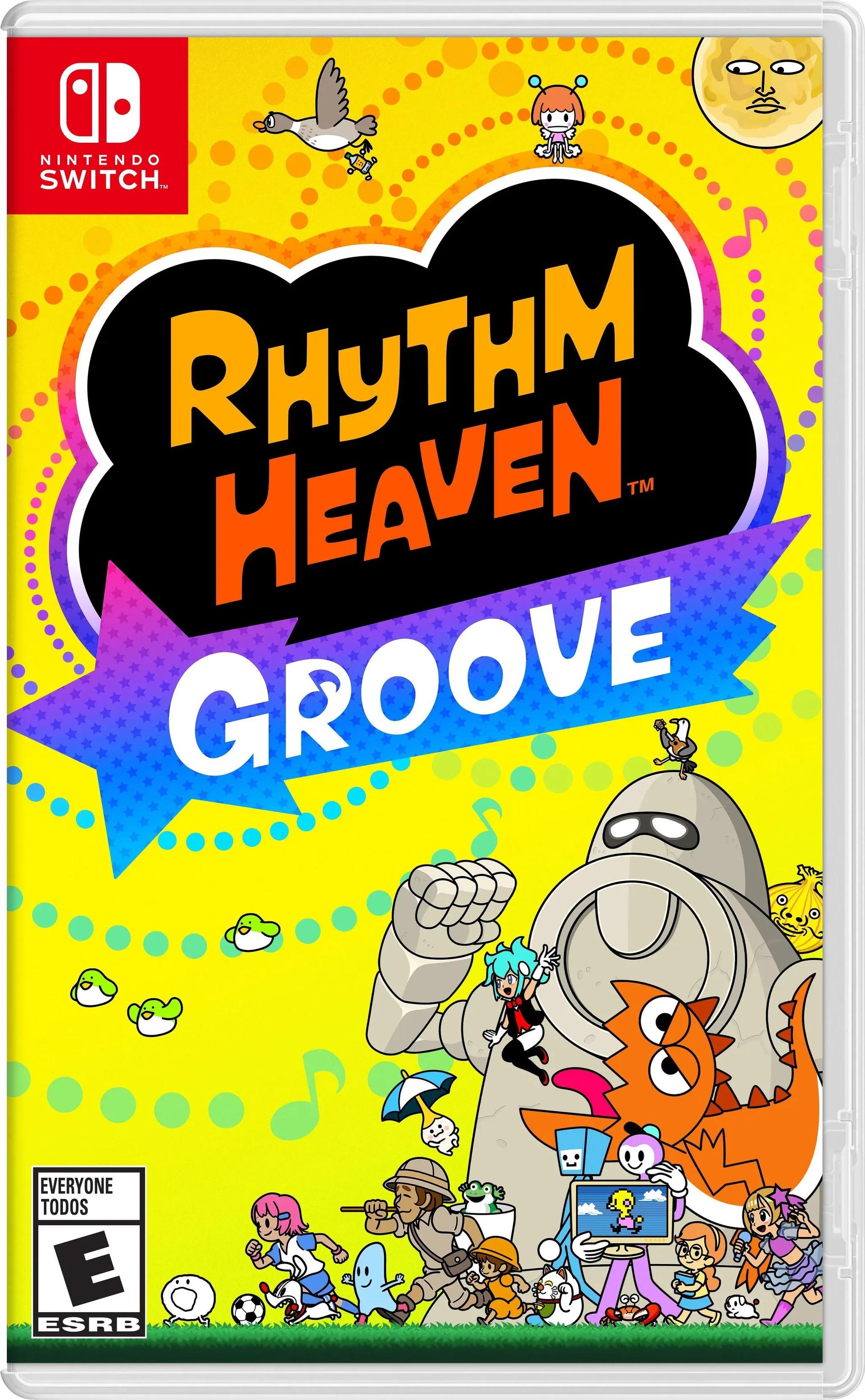

393,378 units. In one week. From boxed copies alone.
Rhythm Heaven Groove just had the biggest launch in the franchise's history, topping Japan's physical sales charts for the week of June 29 to July 5. To put that in perspective, the previous series record belonged to the Nintendo DS entry, and Groove nearly doubled it.
A franchise that earned its moment
Here's the thing: Rhythm Heaven was never a blockbuster series in the traditional sense. The GBA original sold decently in Japan. The DS game crossed 4 million worldwide across its entire run. The Wii entry barely scraped 1 million globally, launching too late into a console cycle that had already moved on. Megamix came and went without making much noise outside of dedicated fans.
Groove lands in a completely different context. Nintendo pushed it hard in Japan, with advertising visible across retail locations nationwide. The Switch install base, now over 20 million units in Japan alone, gave the game a massive pool of potential buyers. And the series' core appeal, simple controls, absurd humor, and music that gets stuck in your head for days, translates perfectly to a casual audience that has been eating up titles like Tomodachi Life: Living the Dream all year.
What the full chart tells you
The top four positions this week were all Switch 1 games. Rhythm Heaven Groove at number one with 393,378 units. Ganbare Goemon Daishuugou! at number two with 60,428. Tomodachi Life: Living the Dream at number three adding another 26,552 to its now 1,437,122 running total. Powerful Pro Baseball 2026-2027 at four with 13,261.
Star Fox on Switch 2 landed at number five with 10,388 units for the week and a running total of 52,068. Shooters have historically underperformed in Japan compared to Western markets, so those numbers are less surprising than they might look. The more interesting story is what the top four says about the Switch 1 install base. That hardware is nine years old and still generating chart-topping software sales.
On the hardware side, Switch 2 led with 32,797 units sold for the week. The combined original Switch SKUs (OLED, Lite, and base model) totaled 10,788, sitting neck and neck with the PS5's combined 10,913 across all its variants. A nine-year-old platform matching current-gen PlayStation hardware in weekly Japanese sales is not a number you can dismiss.
The swan song debate
Groove has been called the Switch's swan song by some corners of the internet, drawing a neat parallel to the original Rhythm Tengoku, which was the last first-party GBA game Nintendo ever released. Whether that framing holds up depends on what Nintendo does next, but the commercial argument for continuing Switch 1 support just got a lot stronger.
Tomodachi Life: Living the Dream crossed 1.4 million physical units in Japan. Groove debuted with nearly 400K in week one. The key here is that Nintendo isn't just supporting a legacy platform out of goodwill. These games are selling. The casual and family audience that made the Switch a phenomenon is still very much present and buying.
What most players miss in these charts is the attachment rate math. Groove's 393,378 units against the Switch's 20 million Japanese install base represents roughly a 1.9% physical attach rate at launch. For a rhythm game in a series that last released a mainline entry over a decade ago, that is a genuinely impressive cold-open number.
Where Groove goes from here
The series has legs when it connects. The DS game sold over 4 million across its entire lifetime. If Groove follows a similar trajectory globally, Nintendo has a legitimate franchise revival on its hands rather than a one-off nostalgia play.
For players jumping in now, the Rhythm Heaven Groove guides collection on our site has you covered as you work through the minigames and remixes. And if you want to track how other big Switch releases are performing week to week, the broader gaming guides hub keeps everything in one place.
Japan has spoken clearly this week. The question now is whether the rest of the world follows.